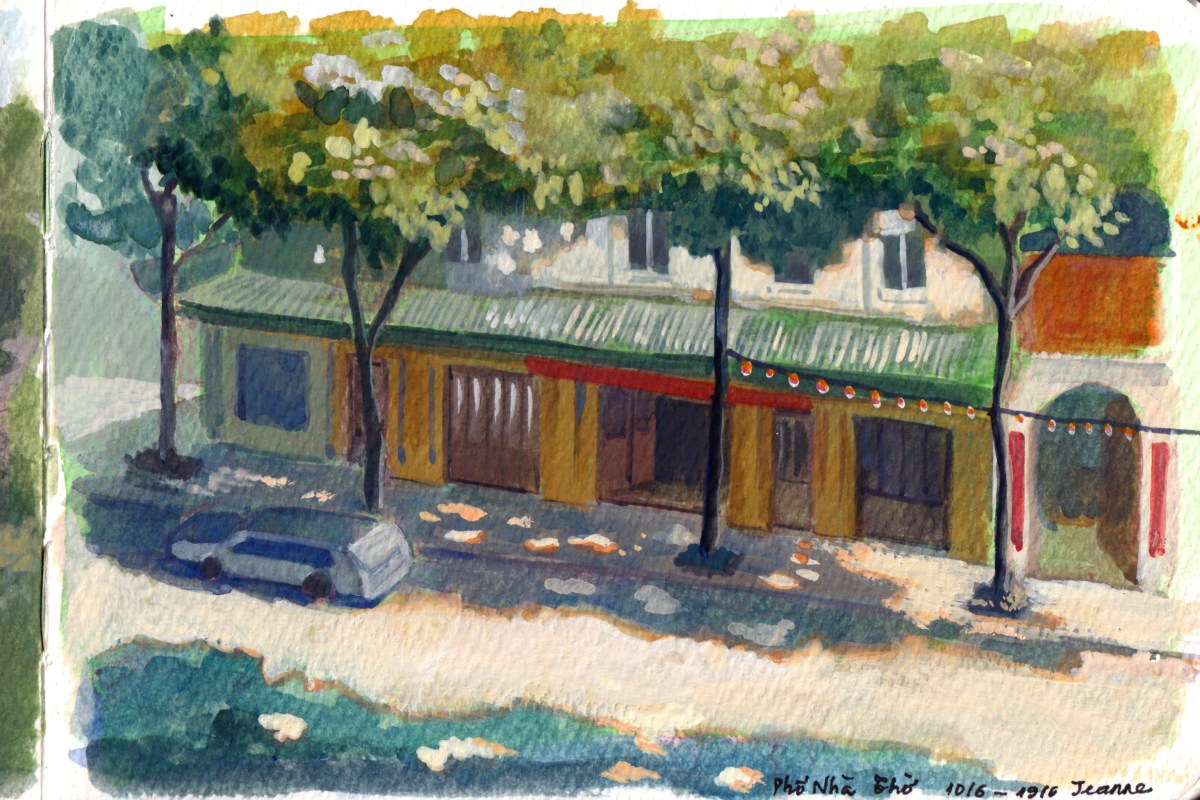
I spent most of my life in Hanoi. When I was a kid living in my grandparent’s house, I was surrounded by copies of Bùi Xuân Phái, a Vietnamese artist famous for painting Hanoi houses in the 20th century. It was probably the first seed in my affection for this city.
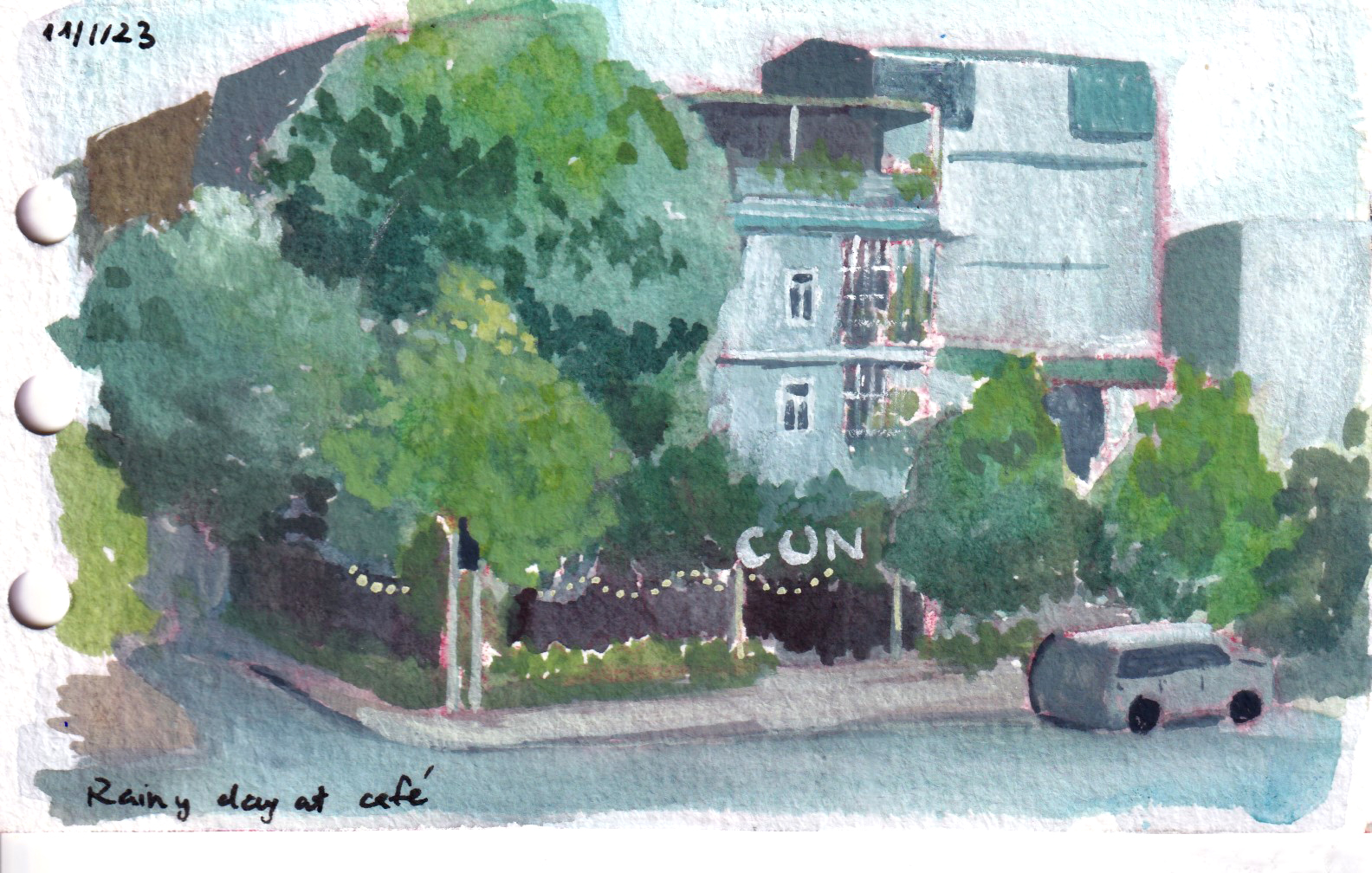
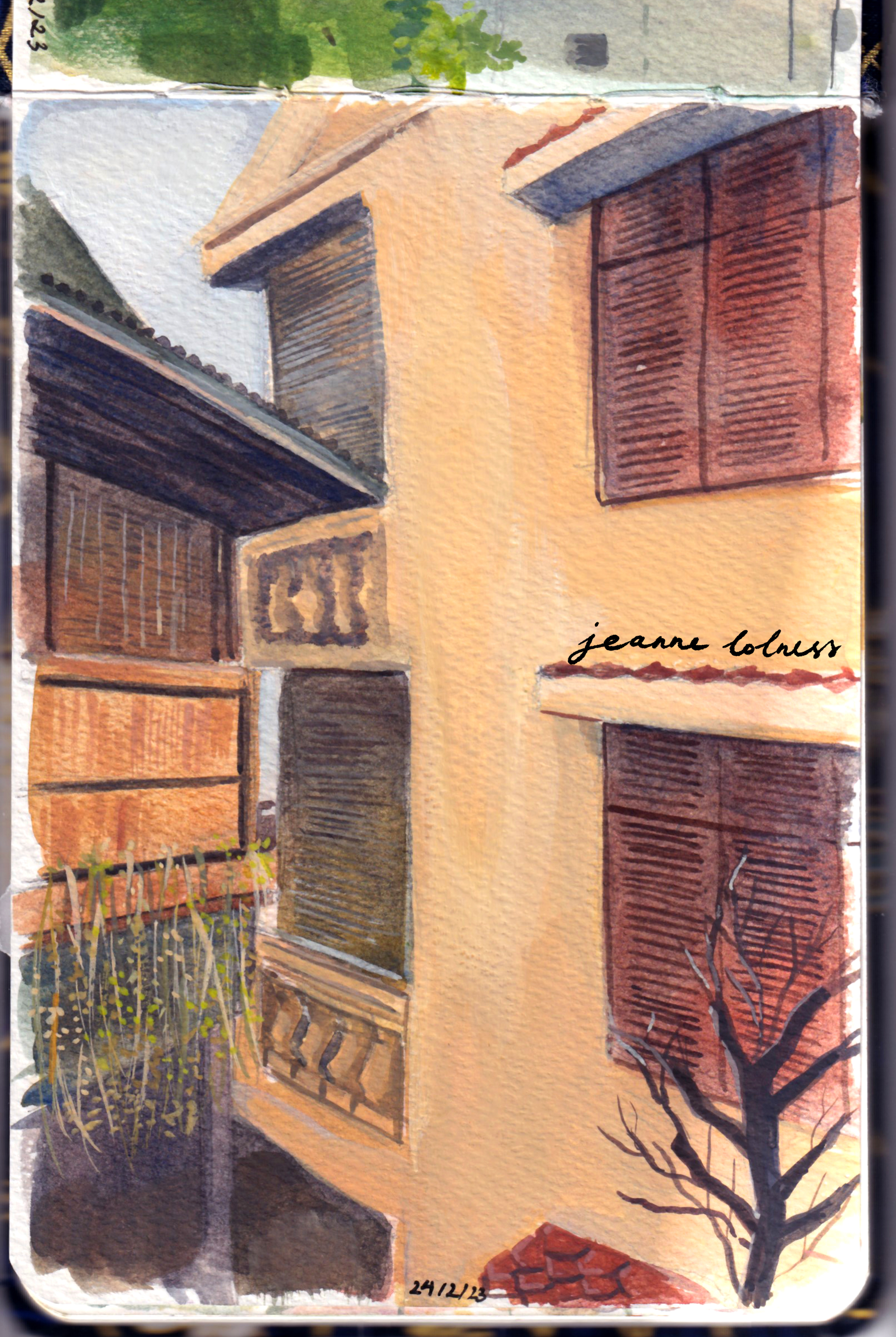
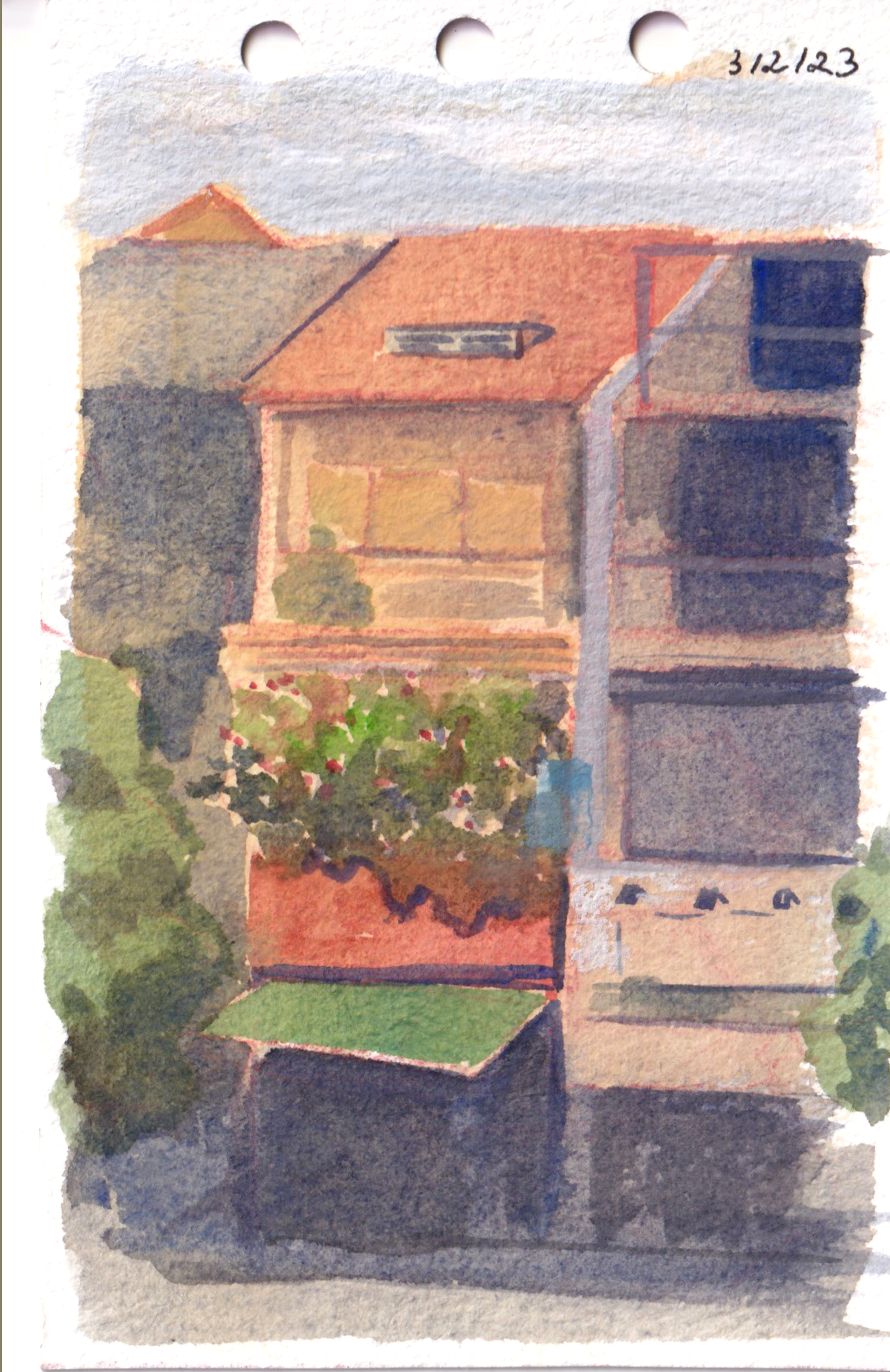
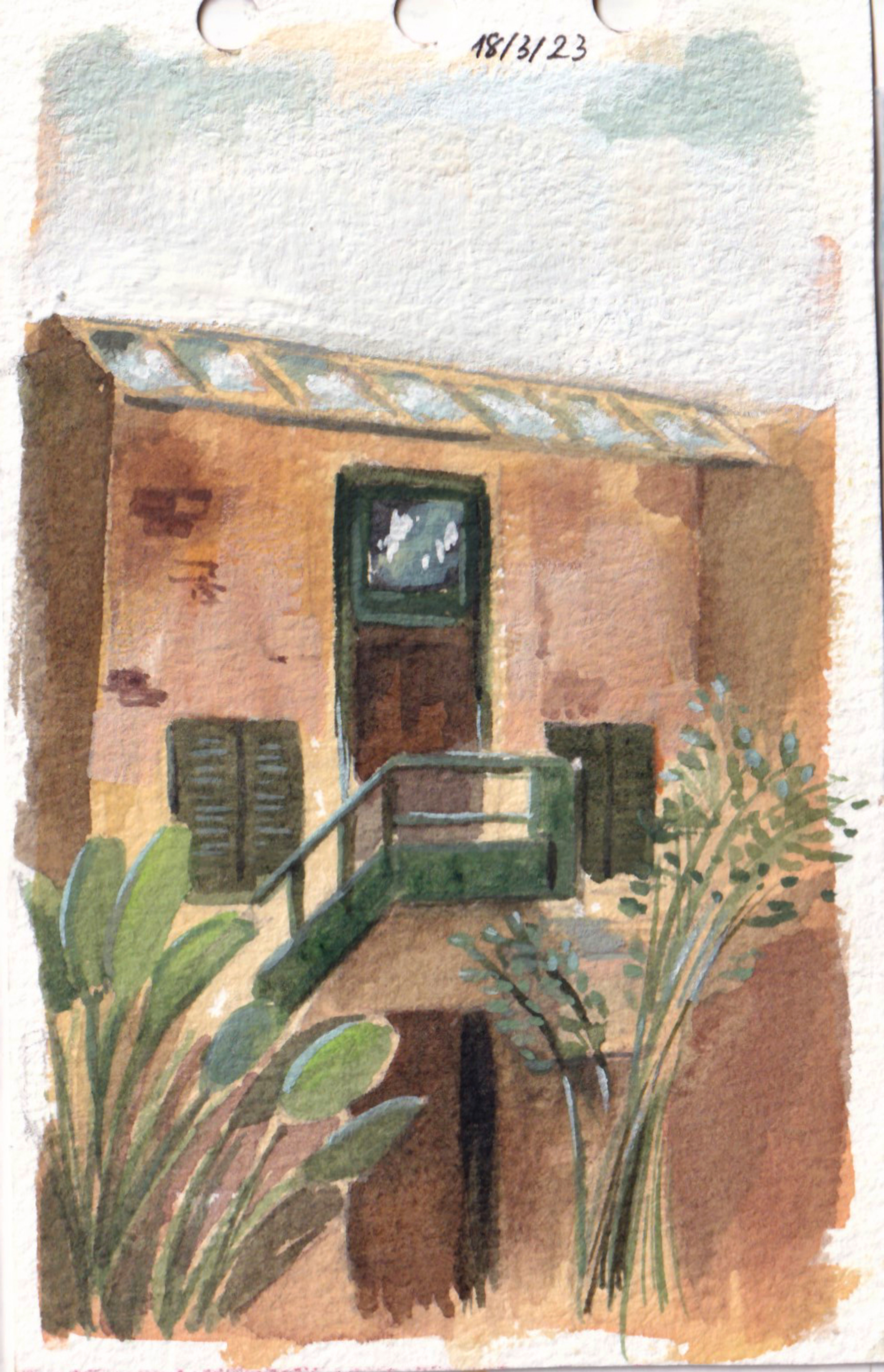
My affection goes to old houses, mostly those with cracks and weird innovations. They are the witnesses of Hanoi history and my own life. Now I live in a modern apartment with elevators, but I still remember running down the stairs full of plants pot, old furniture and and beehive coals.
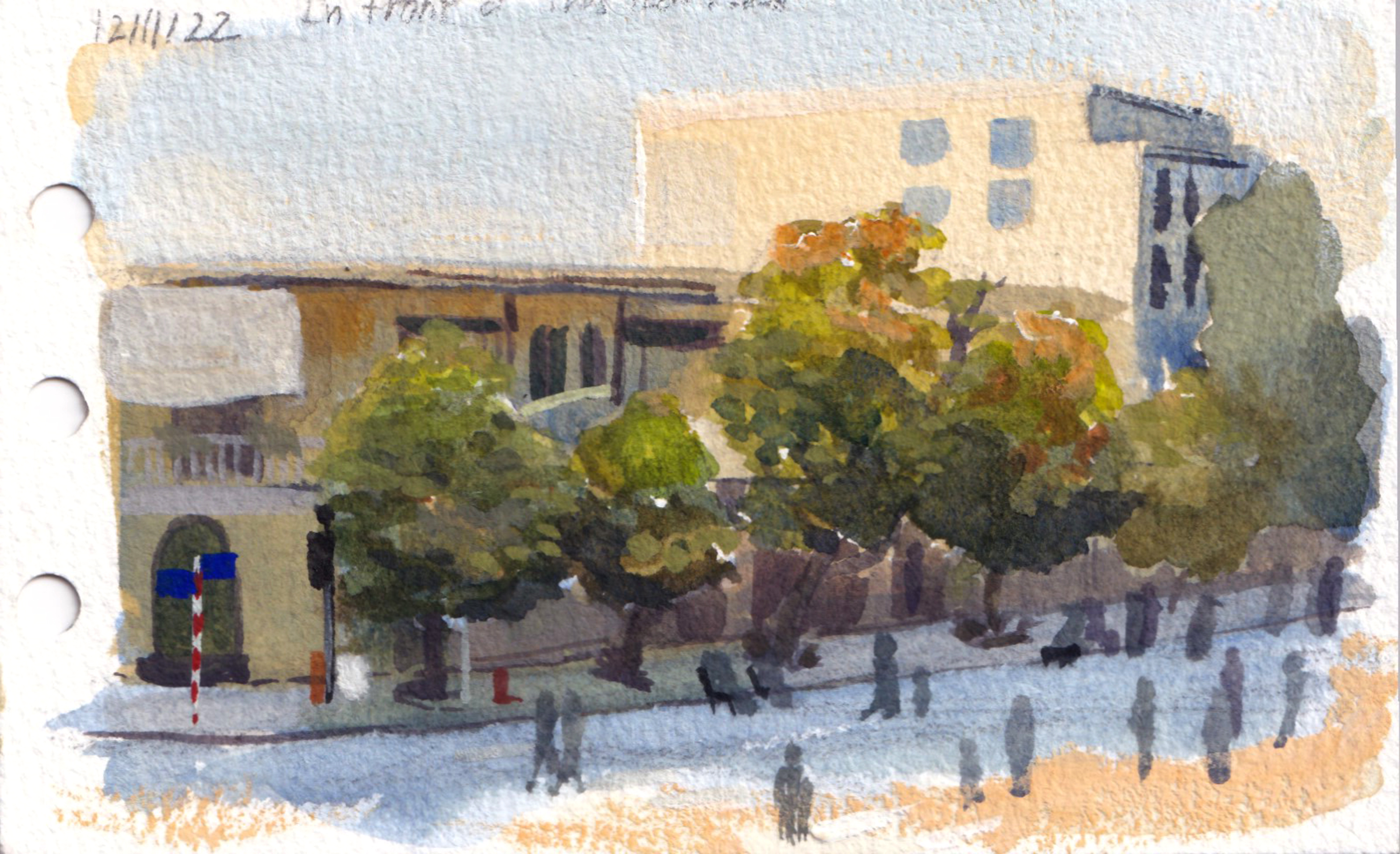
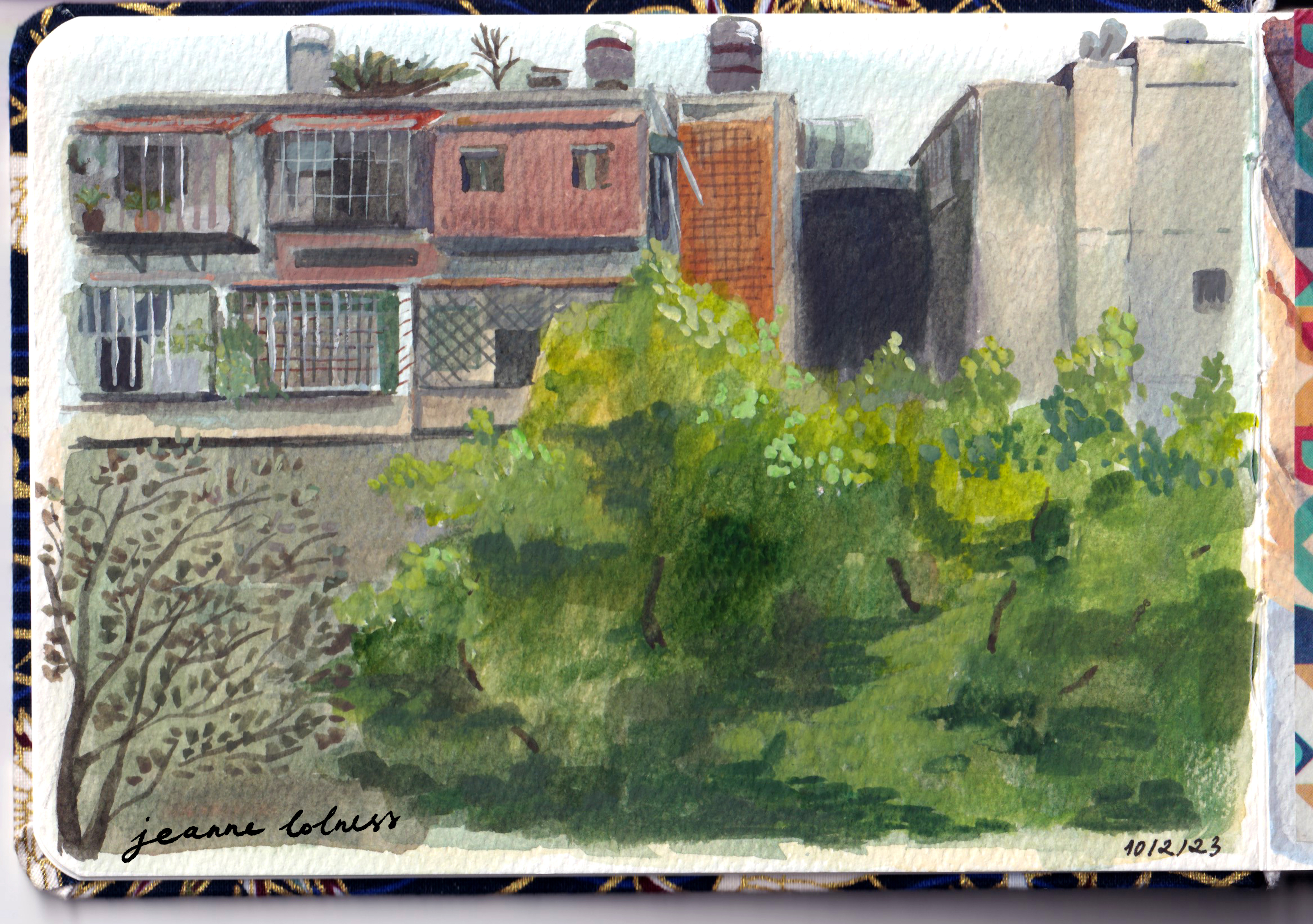
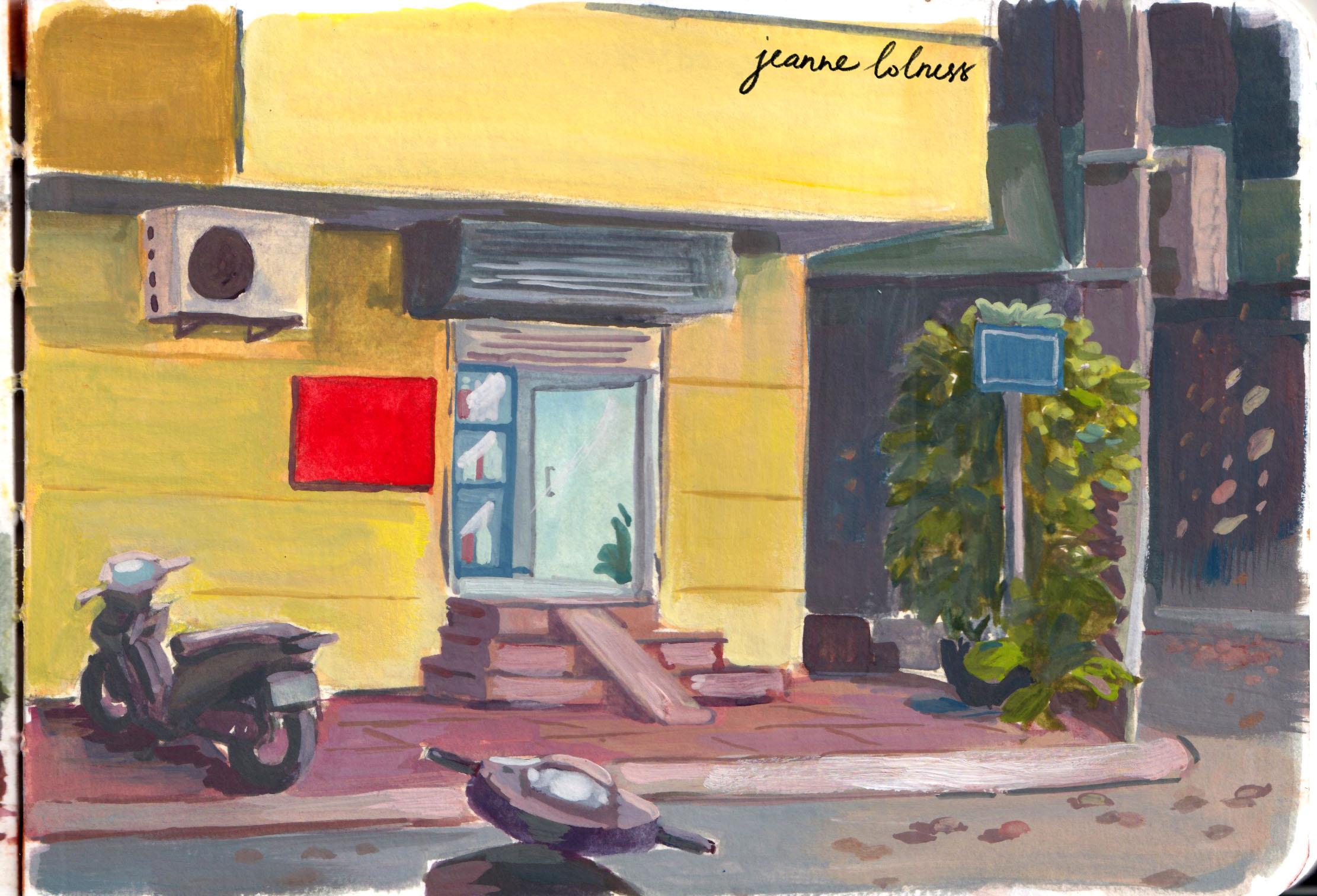
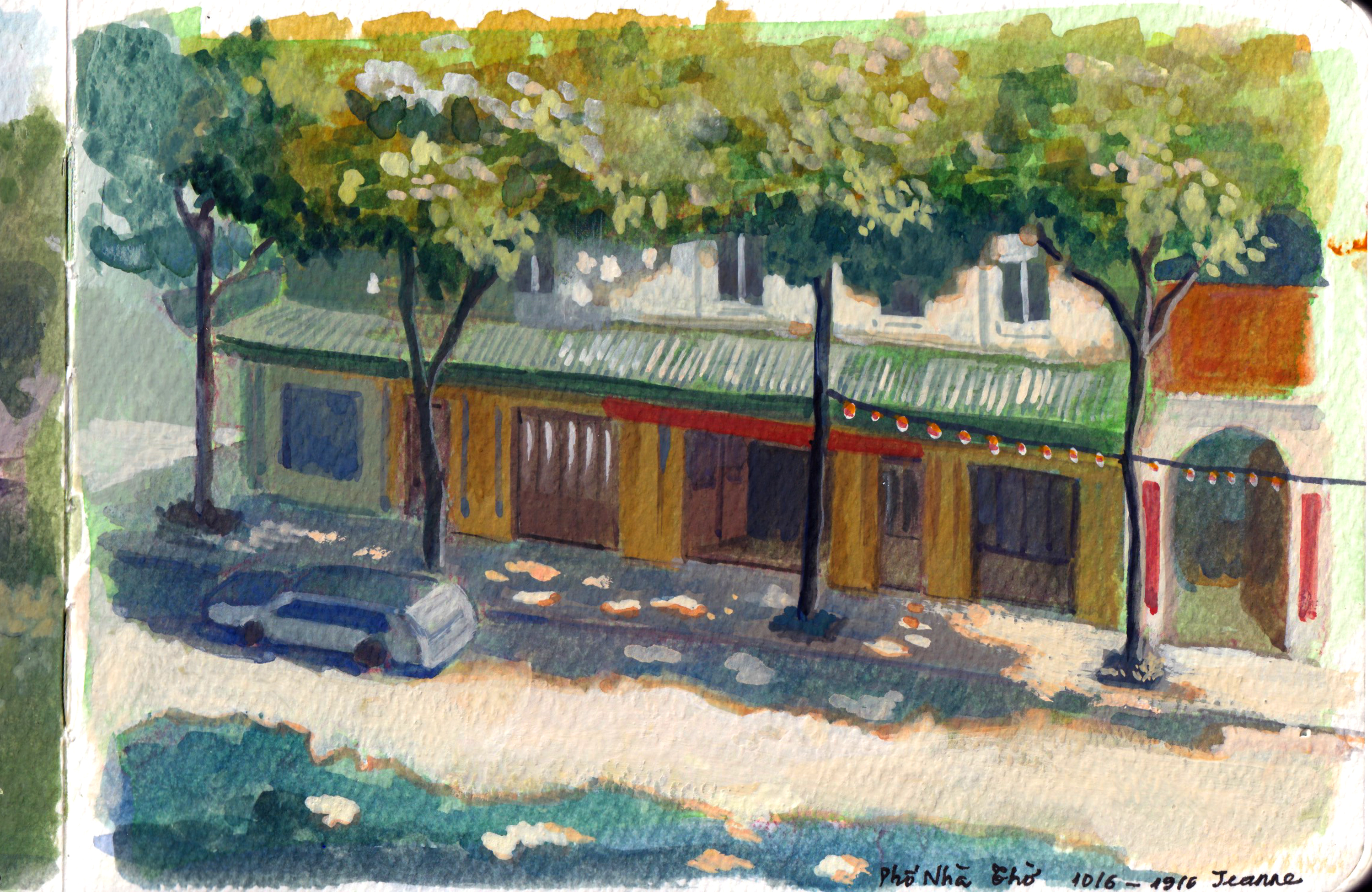
Many old houses in Hanoi are painted in yellow, which is a reminiscence of French colonization period. French often painted important buildings in yellow, and the reason is still unknown. It could have a symbolic meaning of an upper class, but yellow paint was also a cheap option at that time. Even after the war, there are still many houses and buildings painted in the similar yellow tones.

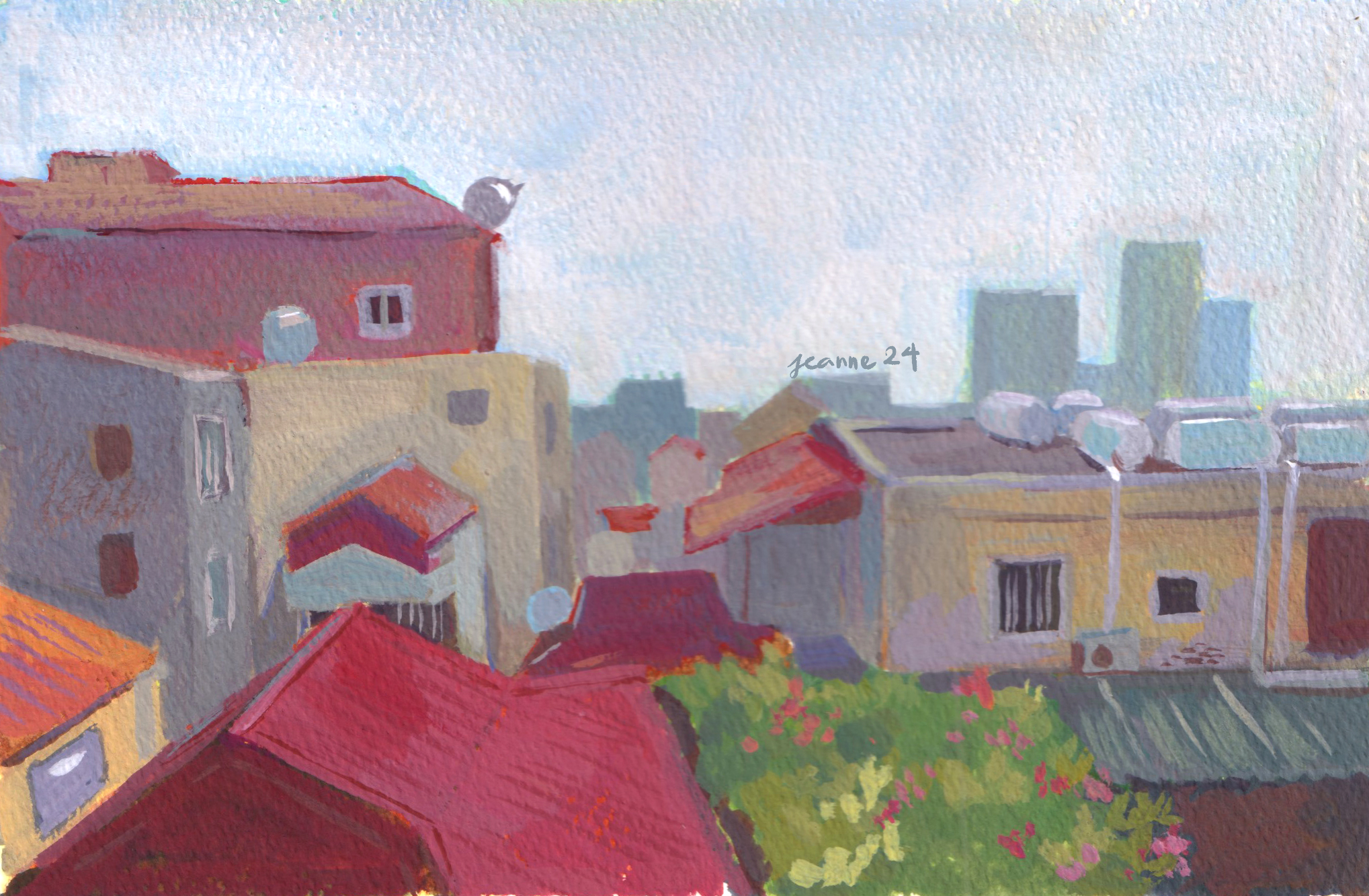
I left my grandparent’s house when I was was ten. Many areas of the city are being upgraded with modern architecture, yet, the street where I grew up remained almost the same. I don’t know how long they will stay the same, but I’m grateful for that.
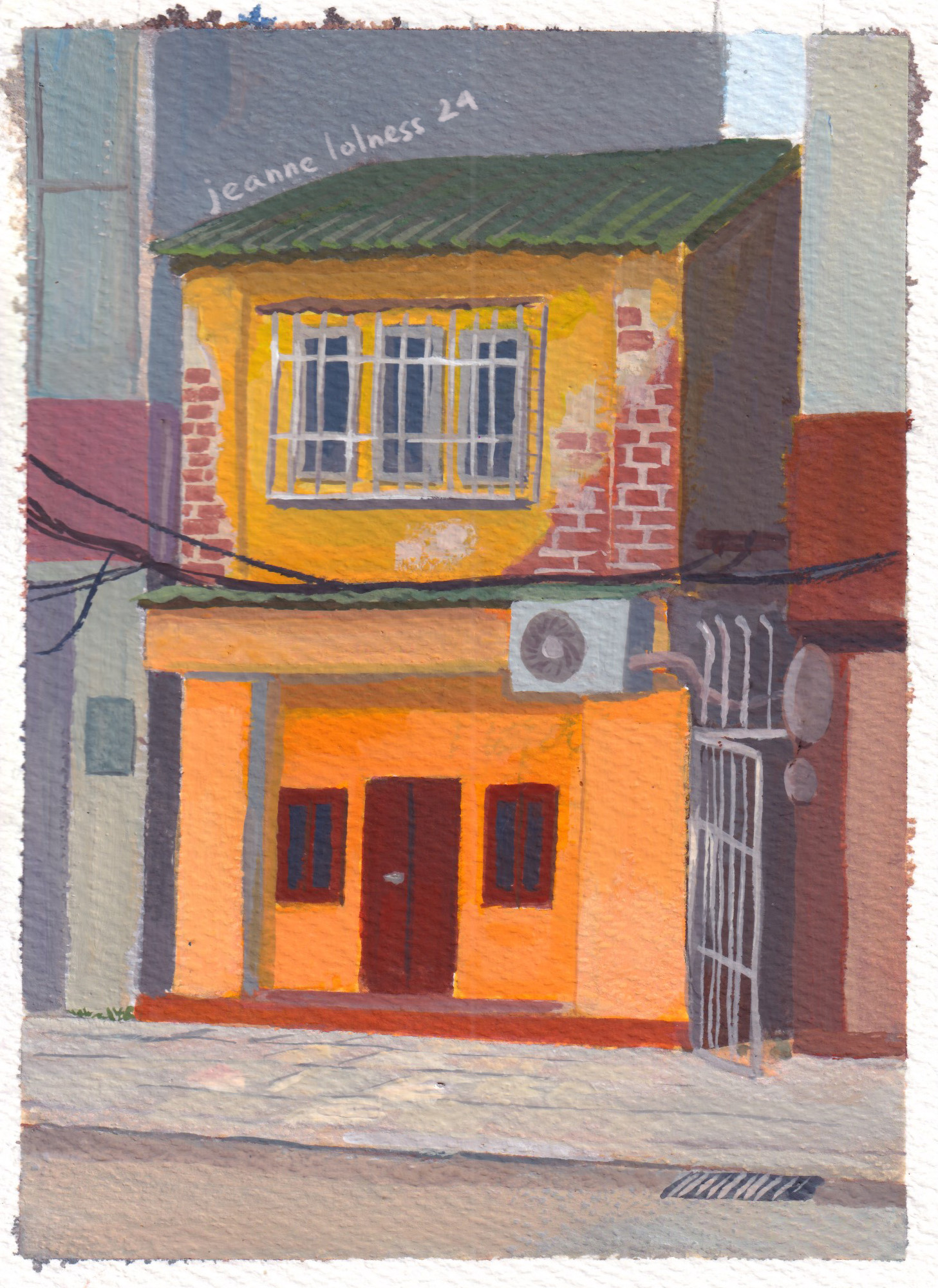
Luckily, even though old houses are being pulled down due to safety reasons, Hanoians don’t have less love for our history of architecture. There are cafes being built resembling houses from the last century, furniture being kept from generation to generation, exhibition showcasing how and why these houses were built and loved and artists incorporating elements from childhood into artworks.
If you ever come to visit Vietnam, let’s stop for a second to watch these small houses stacking next to each other on the streets. It’s possible that many generations have lived in these houses and new hopes are being created despite two wars, economic downturns and most recently, an international disease.
Discover more from Jeanne Lolness
Subscribe to get the latest posts sent to your email.

 Jeanne Lolness