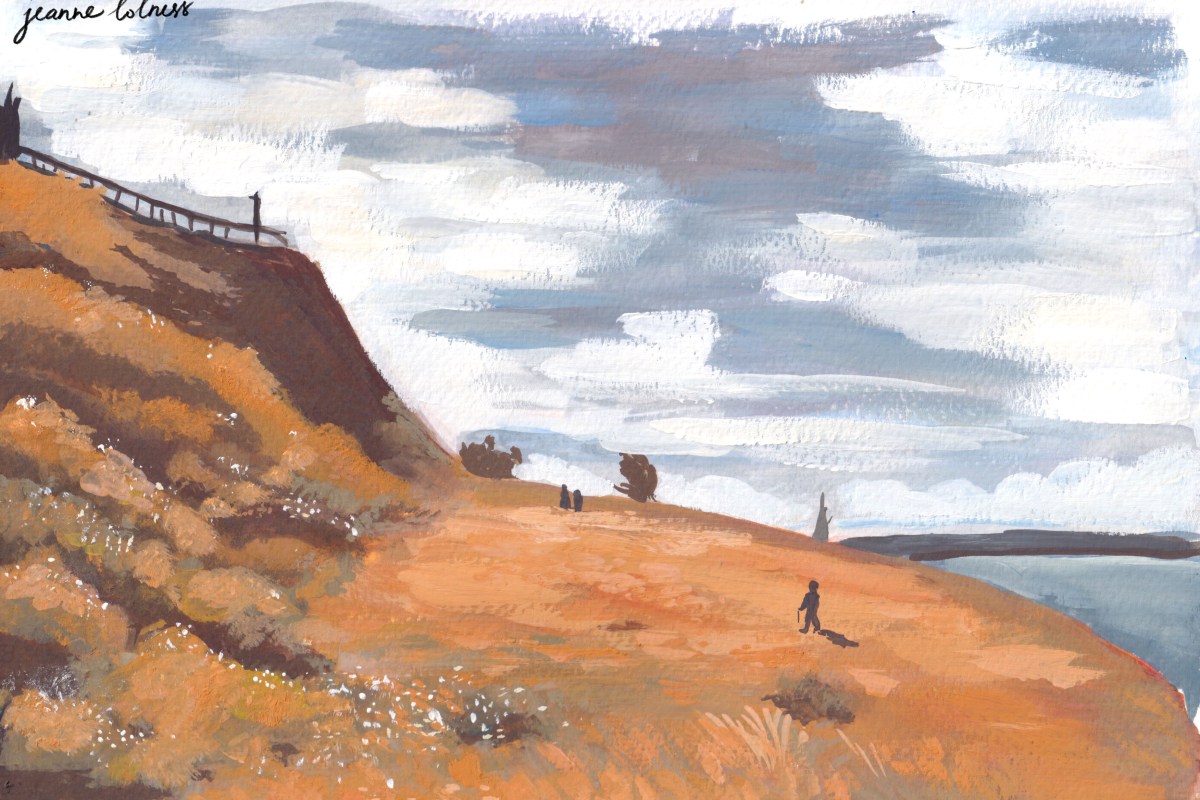
Copying old masters is a practicing method that always sparks controversy.
Selling copies of old masters used to a profitable niche in art. In England, early eighteenth century, a number of artists used to work as professional copyist. Francis Harding is an artist famous for copying Italian painter Giovanni Paolo Panini.
Back then till today, copying old masters’ artworks is still a recognized way to practice in European academies. Jean-Auguste-Dominique Ingres, which today is known for his painting La Grande Odalisque, learned by copying the prints available in his family. In Chinese, copying works from previous artist is the sixth principle in the list of principles introduced by Xie He in his book “Classified Record of Painters of Former Times”, which later become standards for artist training and critic.
Today, many museums organize copying sessions for artist to copy paintings to improve their techniques or to pay homage to the masters. Some famous names include Lourve: copying has been allowed since 1793 and Met with their Copyist Program.
From a personal view point, I believe copying is simply a tool which can be use for both right and wrong purposes.
1. Copying is a relaxed yet effective method to practice
I have found copying is a good warm up exercise before getting to work on commissions and professional works.

Copying as a warm-up exercise should focus on one purpose only: composition or anatomy or color, etc. These studies can be quickly done in 30 minutes to 1 hour. The exercise is relaxing since the masters has already figured out what and how to paint the focus, lighting setup and color. It’s similar to doing an experiment or research, with all other conditions controlled, focus on one element to understand how to work it out.
2. Copying simultaneously from tutorials
Tutorials are great sources to learn, particularly if you find an artist you admire and want to get inspired. Some artists can explain cohesively their progress in terms of both techniques and ideas; but some not. When watching how their hands hold, move their brush and trying to mimic them at the same time, I feel a lot of my questions and difficulties get cleared up.
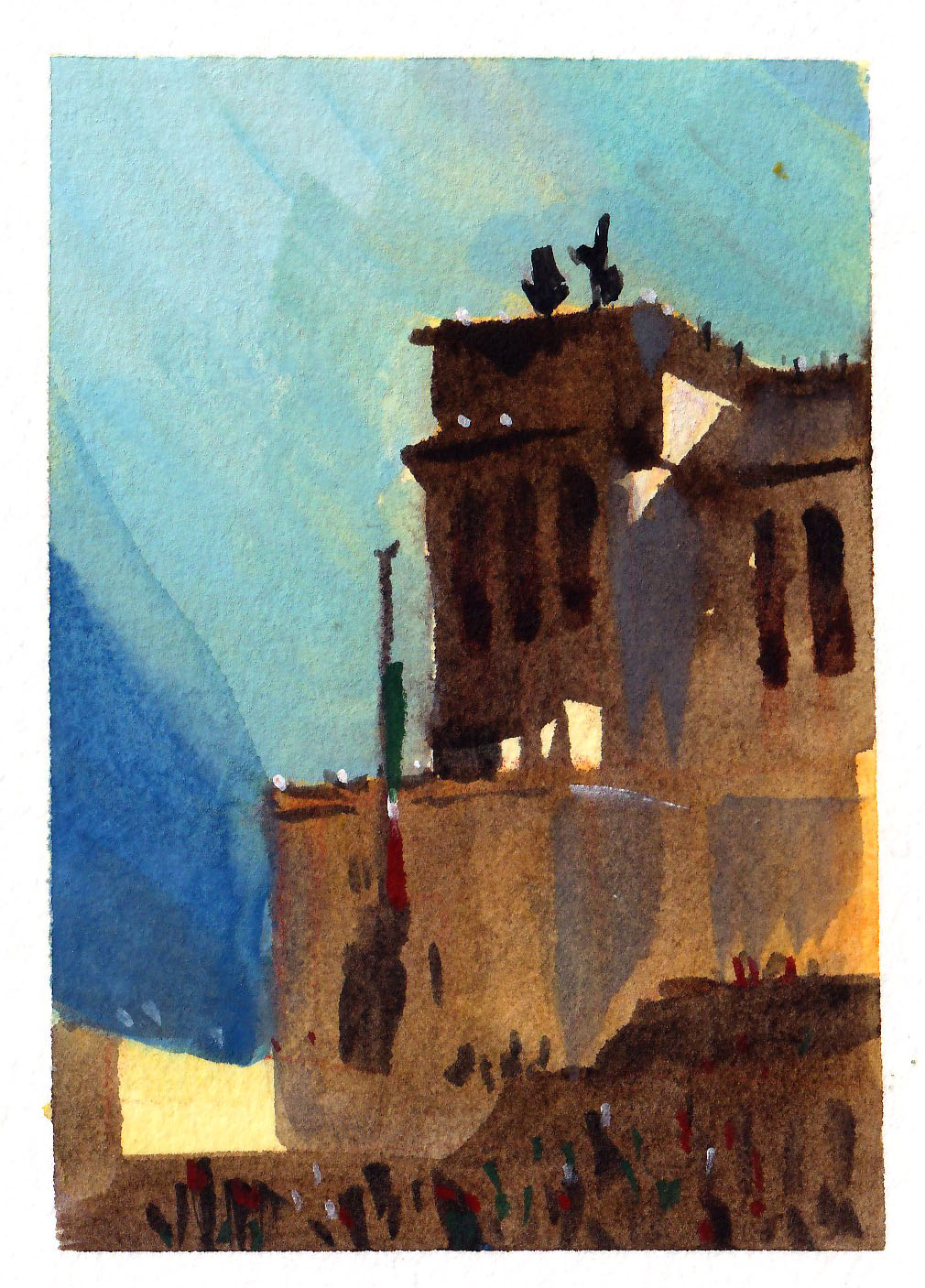
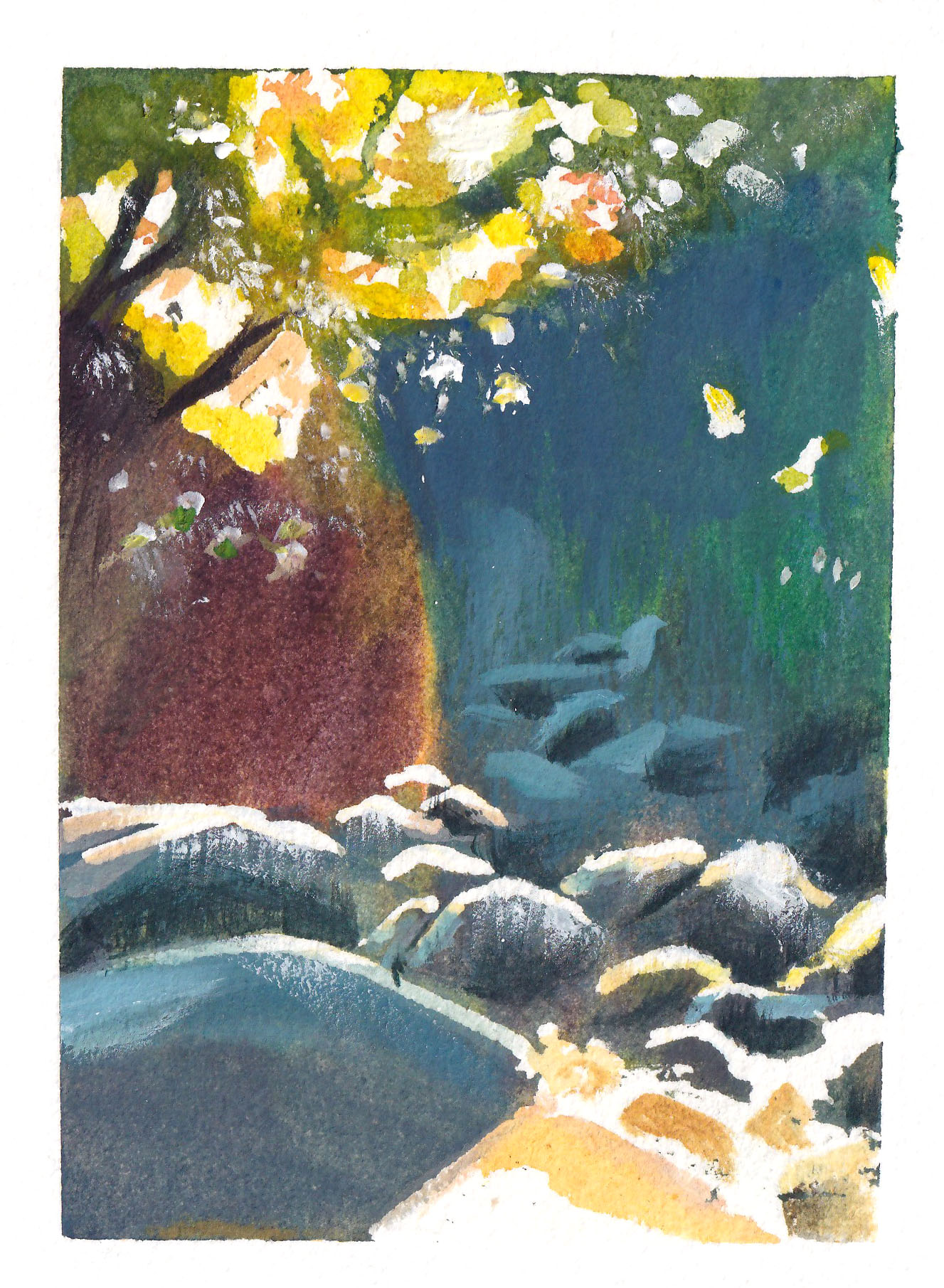
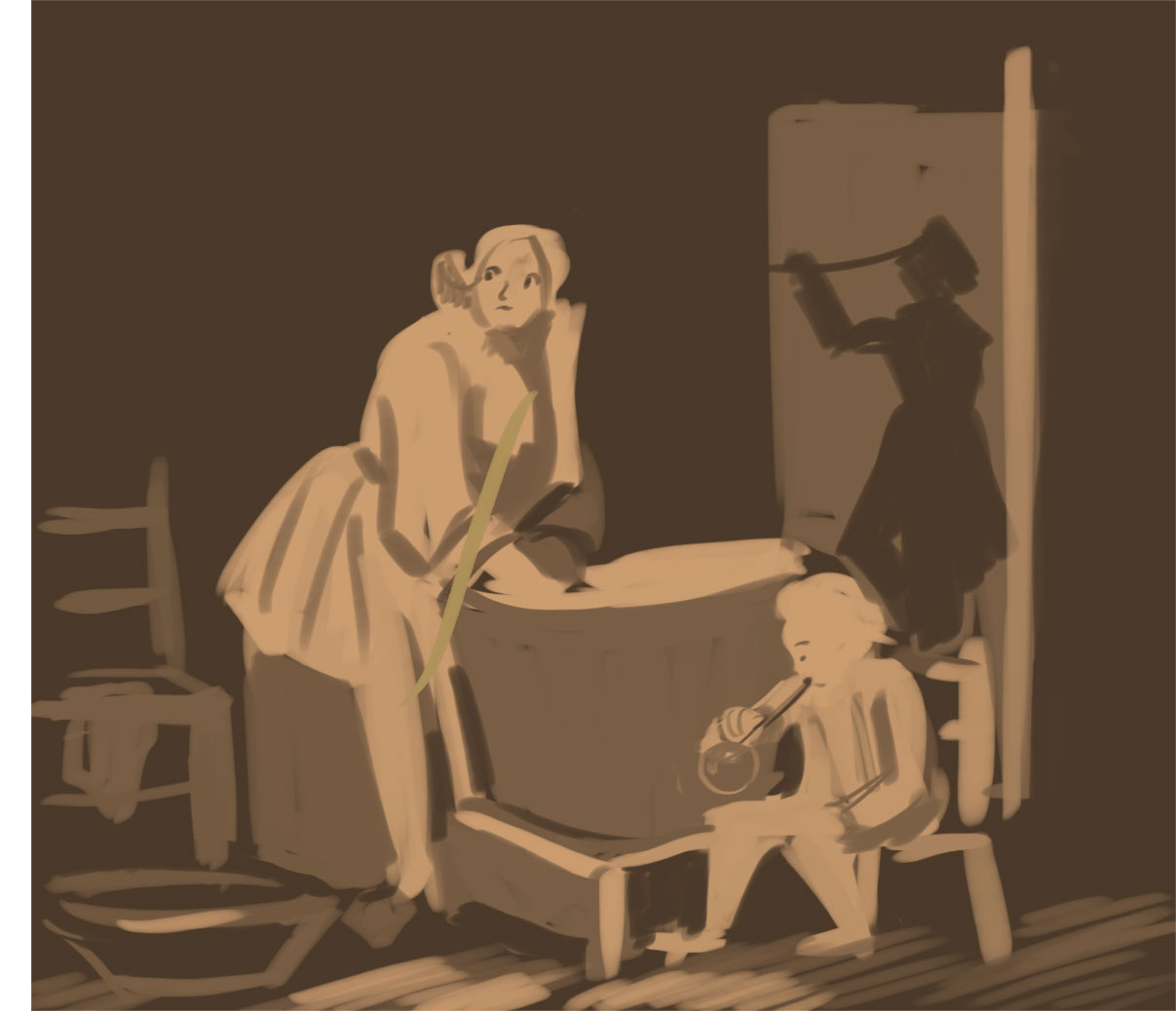
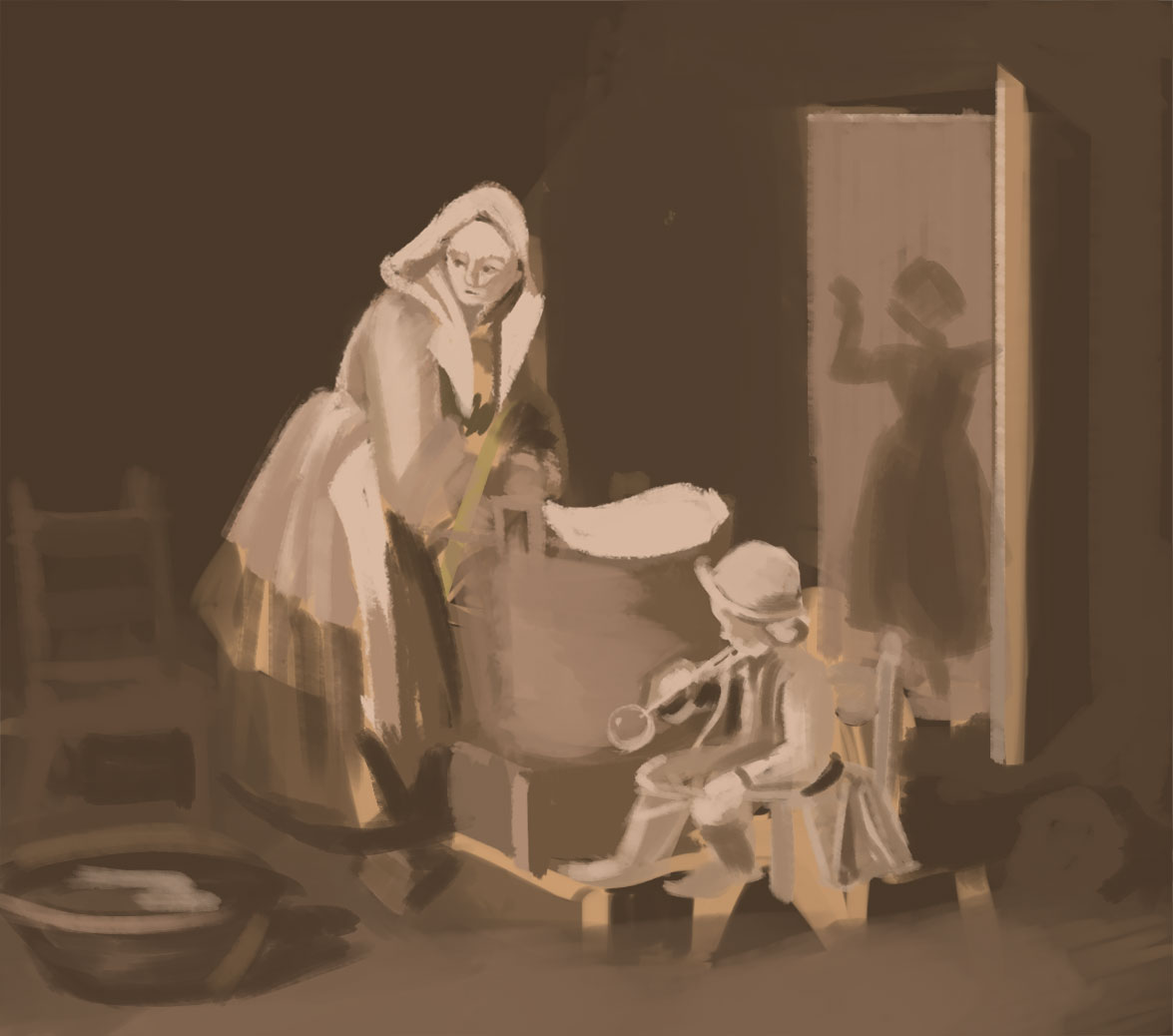
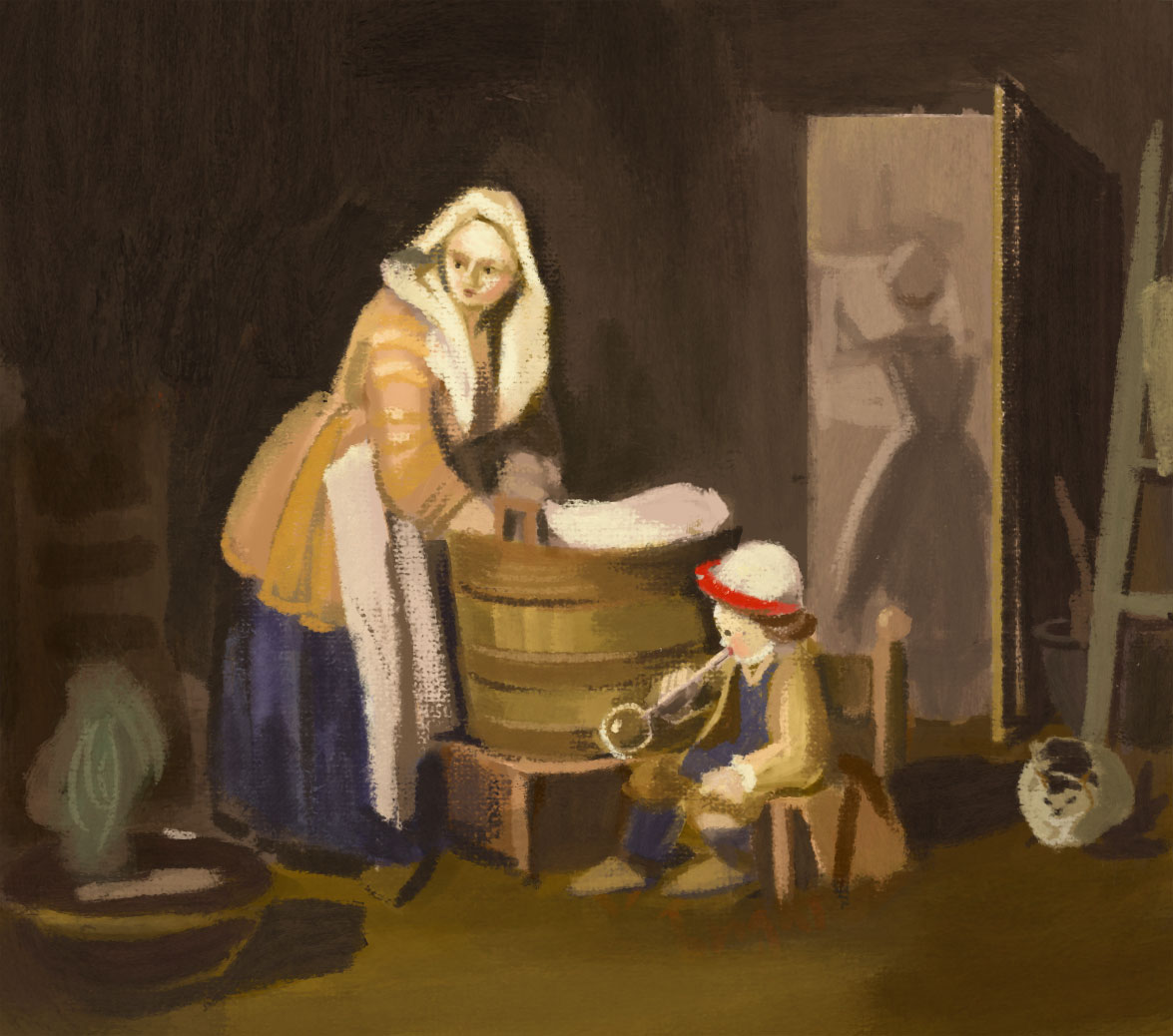
Above are copies I did when I studies a paid course from Nathan Fowkes, but there are a lot of free tutorials on Youtube: James Gurney , Matthew White , etc.
3. Copying also helps with rendering and brushstrokes
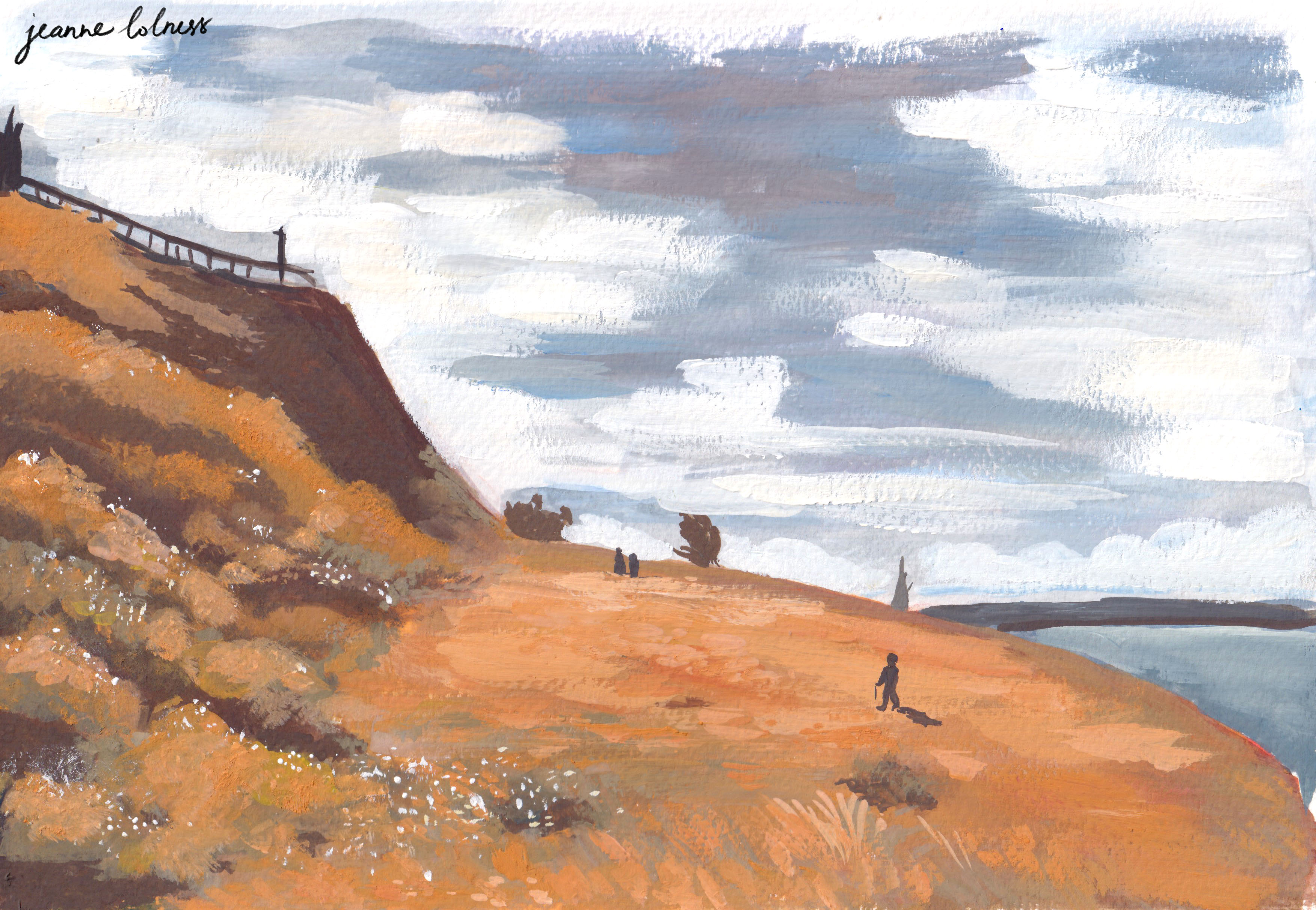

One important element affecting how an audience views a painting is the brushstrokes. Some artists, namely the Impressionists, kept their canvas textured while others, Vermeer for example, preferred a smooth painting. Both types will require specific technical skills. Observing closely the old masters’ pieces or watching tutorials/ live sessions helps me understand how an artist move their brush, their hand and what techniques I need to use to get a specific texture.
4 . When things get wrong
That being said, copying too much or without a purpose could harm an artist’s personal style. The reason why many format art teachers don’t like students copying manga or anime style because they feared of over-copying.
Especially in the age of social media, many inexperienced artists try to copy others with more followers. It’s not their fault entirely, especially social media can appear to help artists live on their passion.
Conclusion
In the end, copying old masters is a double-edged sword. When done with clear intent—whether to study composition, color, or technique—it can be an invaluable learning tool. However, over-reliance on copying without personal exploration may hinder artistic growth. As Austin Kleon wrote in Steal Like an Artist, “All creative work builds on what came before.”; being artists, we should learn from the past while continuously developing our own unique voices.
Discover more from Jeanne Lolness
Subscribe to get the latest posts sent to your email.

 Jeanne Lolness