Painting Huế: Nostalgia and Summer

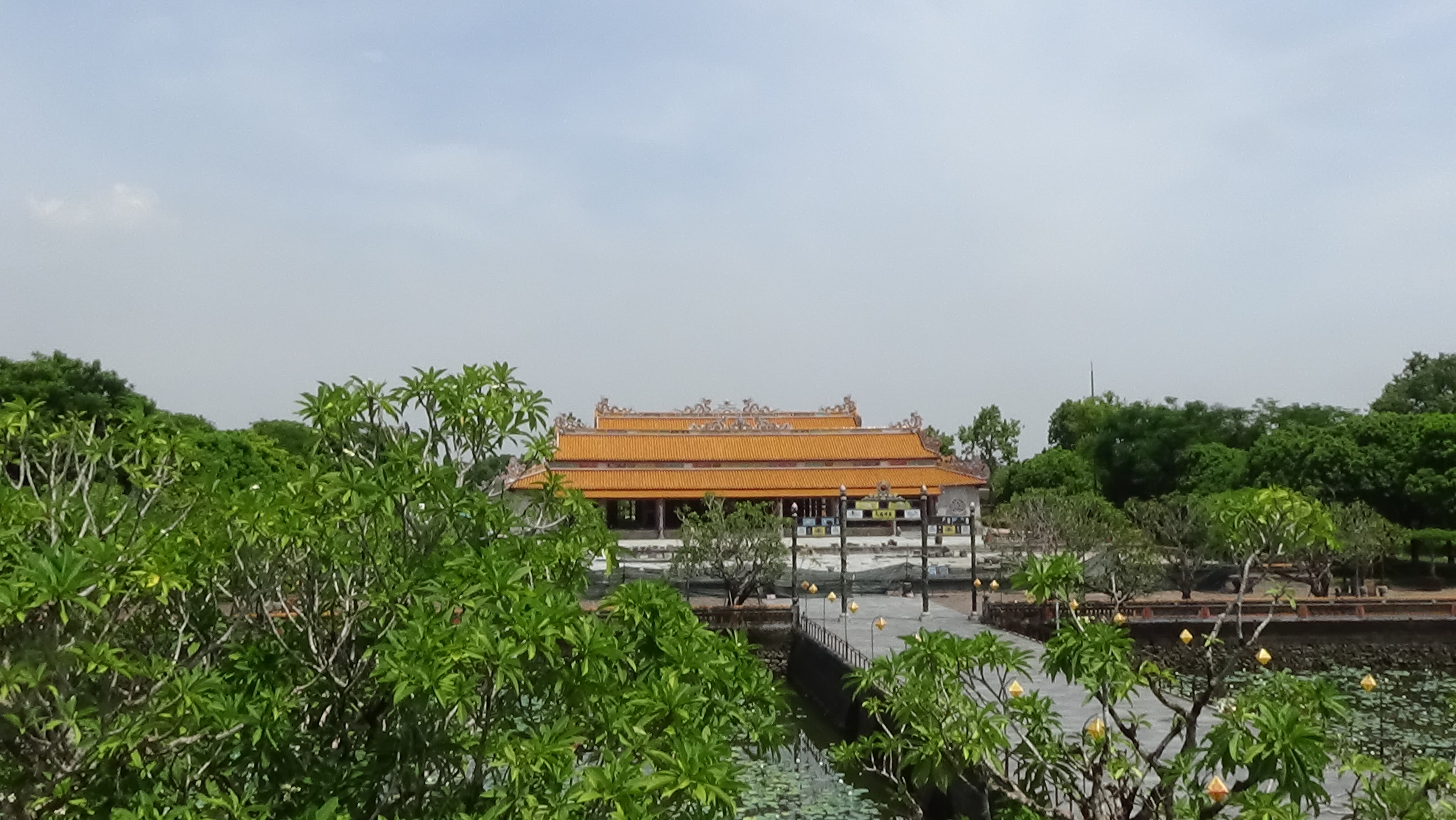
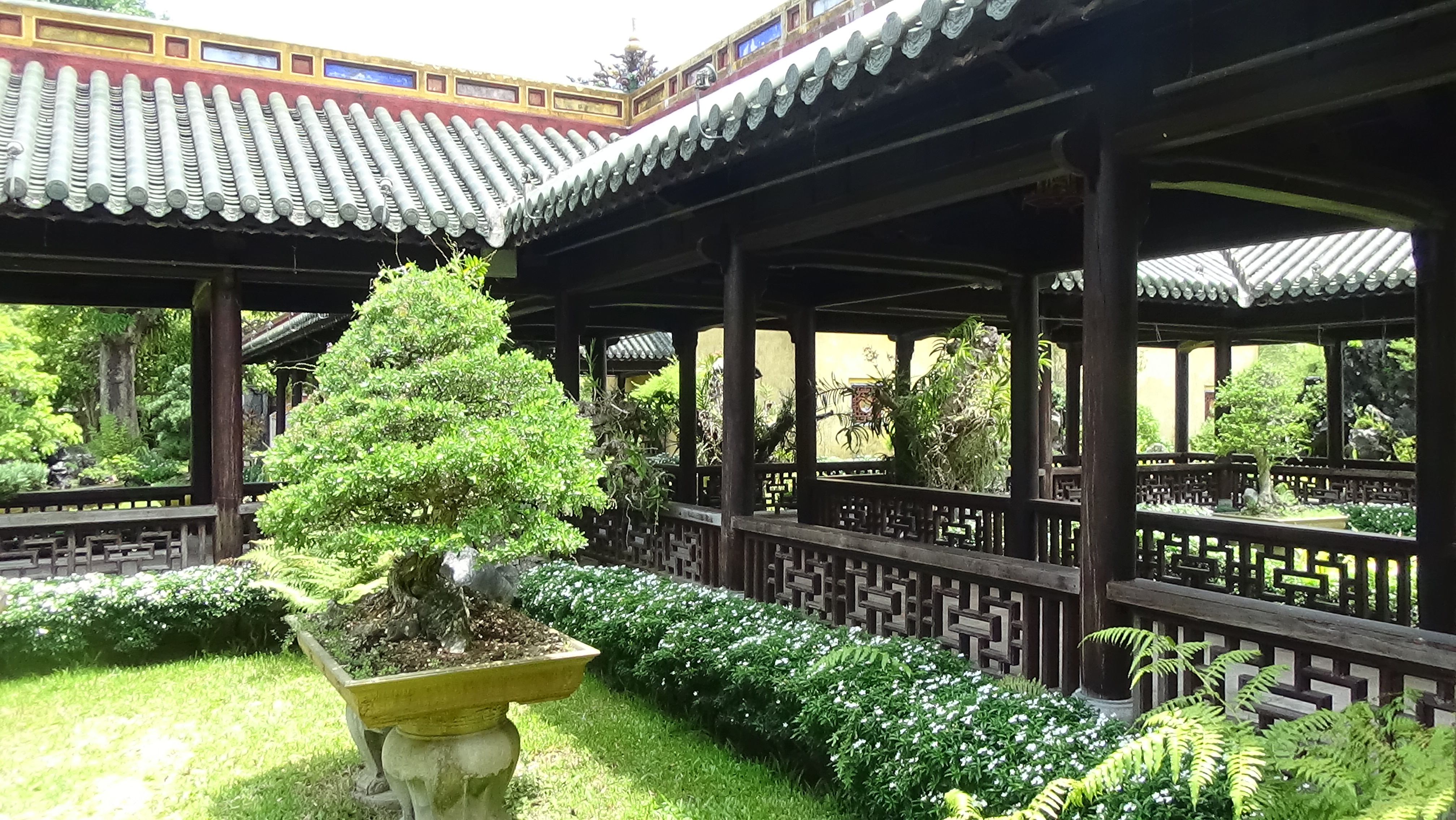
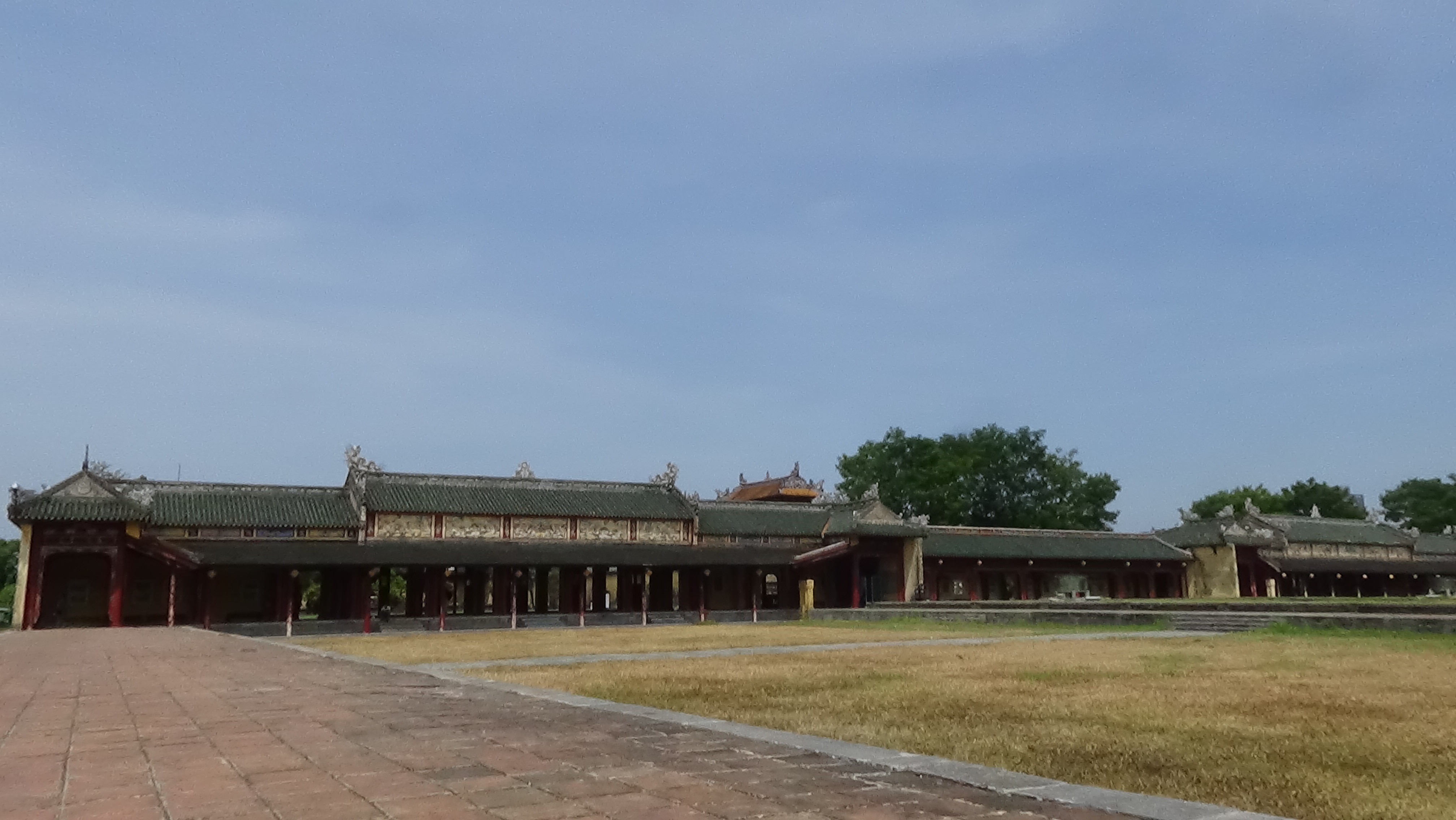
In the summer of 2024, I spent two sunny days exploring Huế – the place holding memories of a bygone era: Nguyễn dynasty. It was the final medieval dynasty before Vietnam became a colony of France and experienced warfare to the extreme in WW1, 2 and the Cold War.

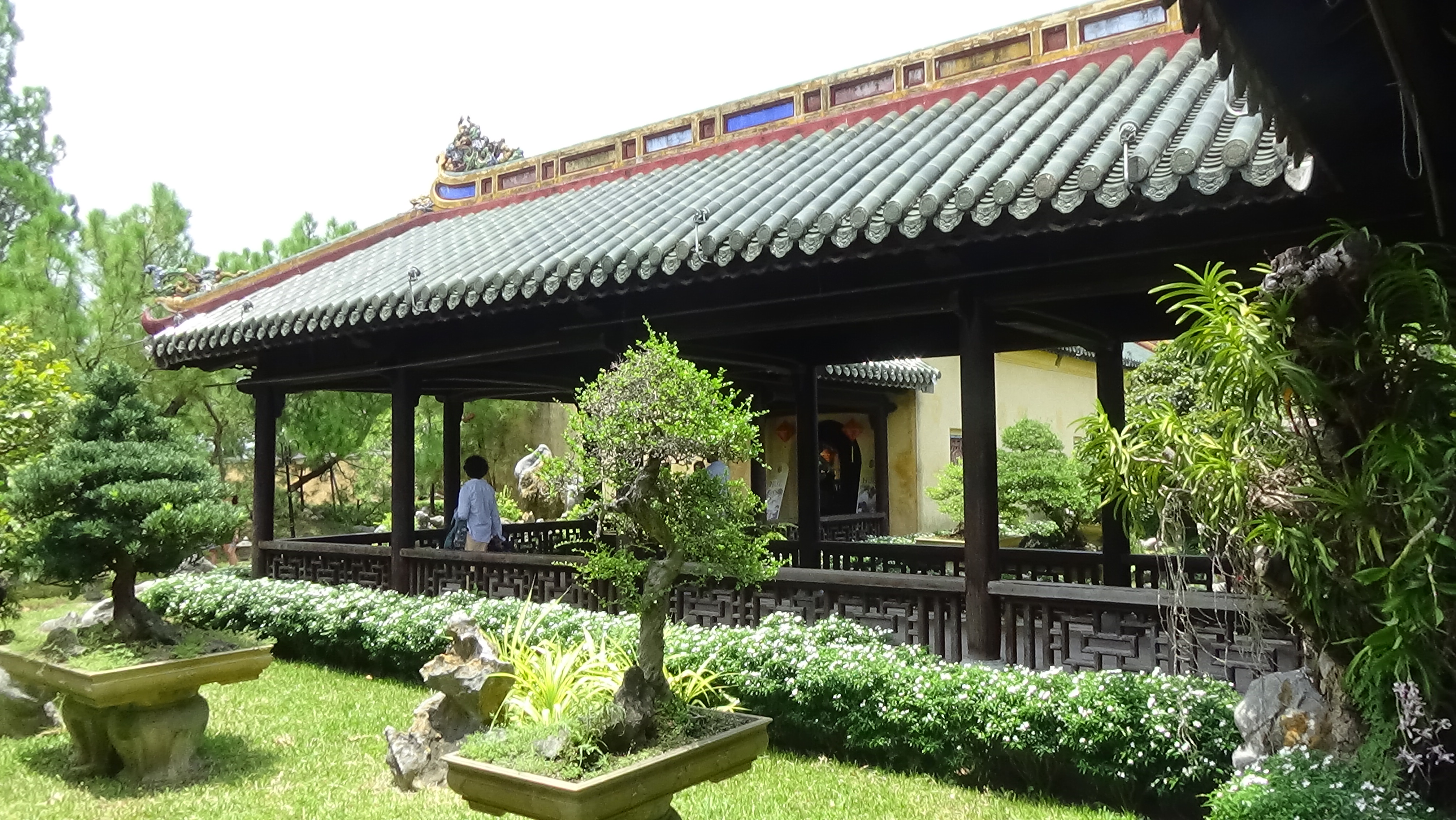
Despite bombings and destruction, Huế and the Imperial City still maintained a variety of structures and monuments with their intricate details.

I had been longing to visit Huế for a long time and finally I got to enjoy this little peaceful city.

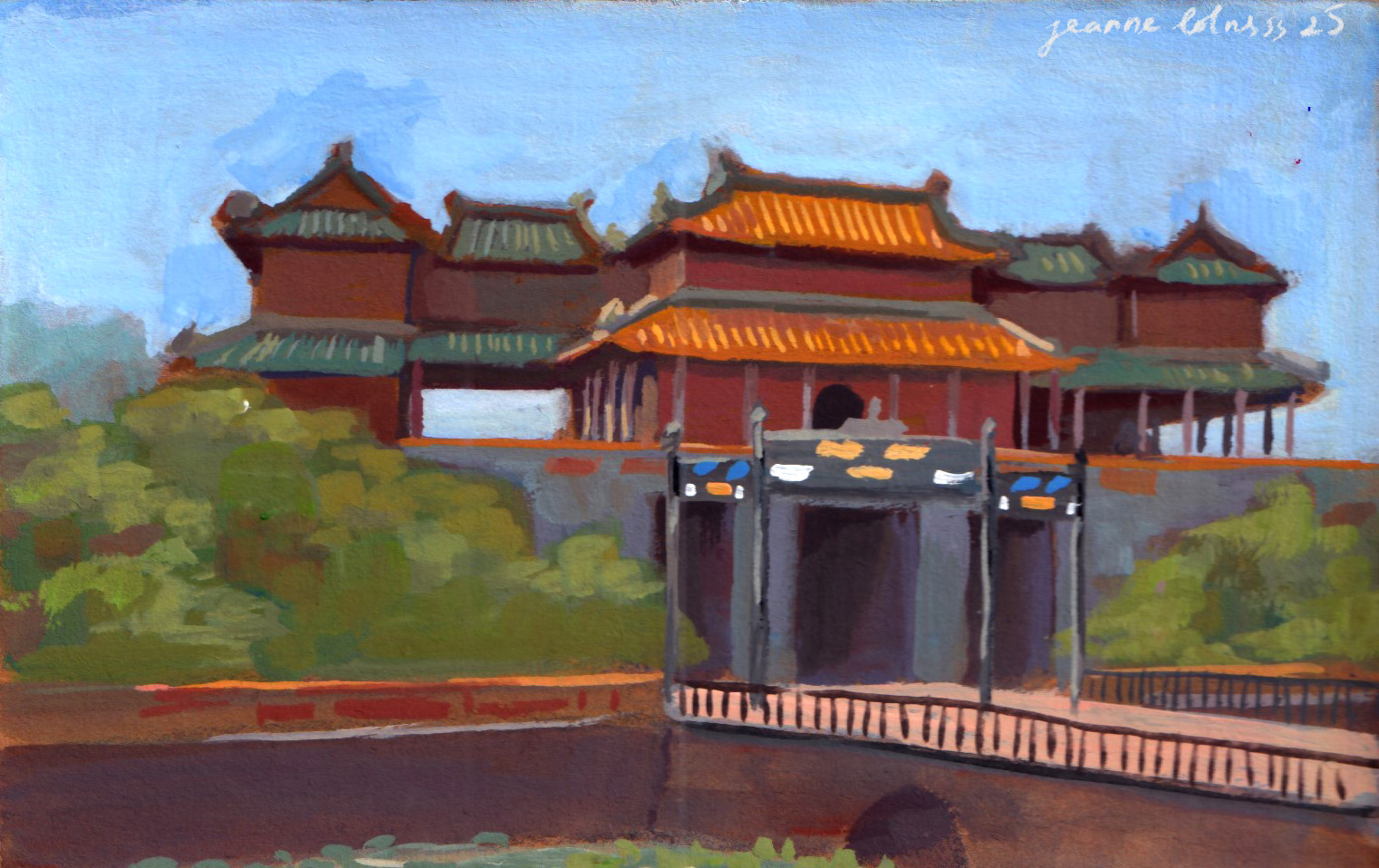
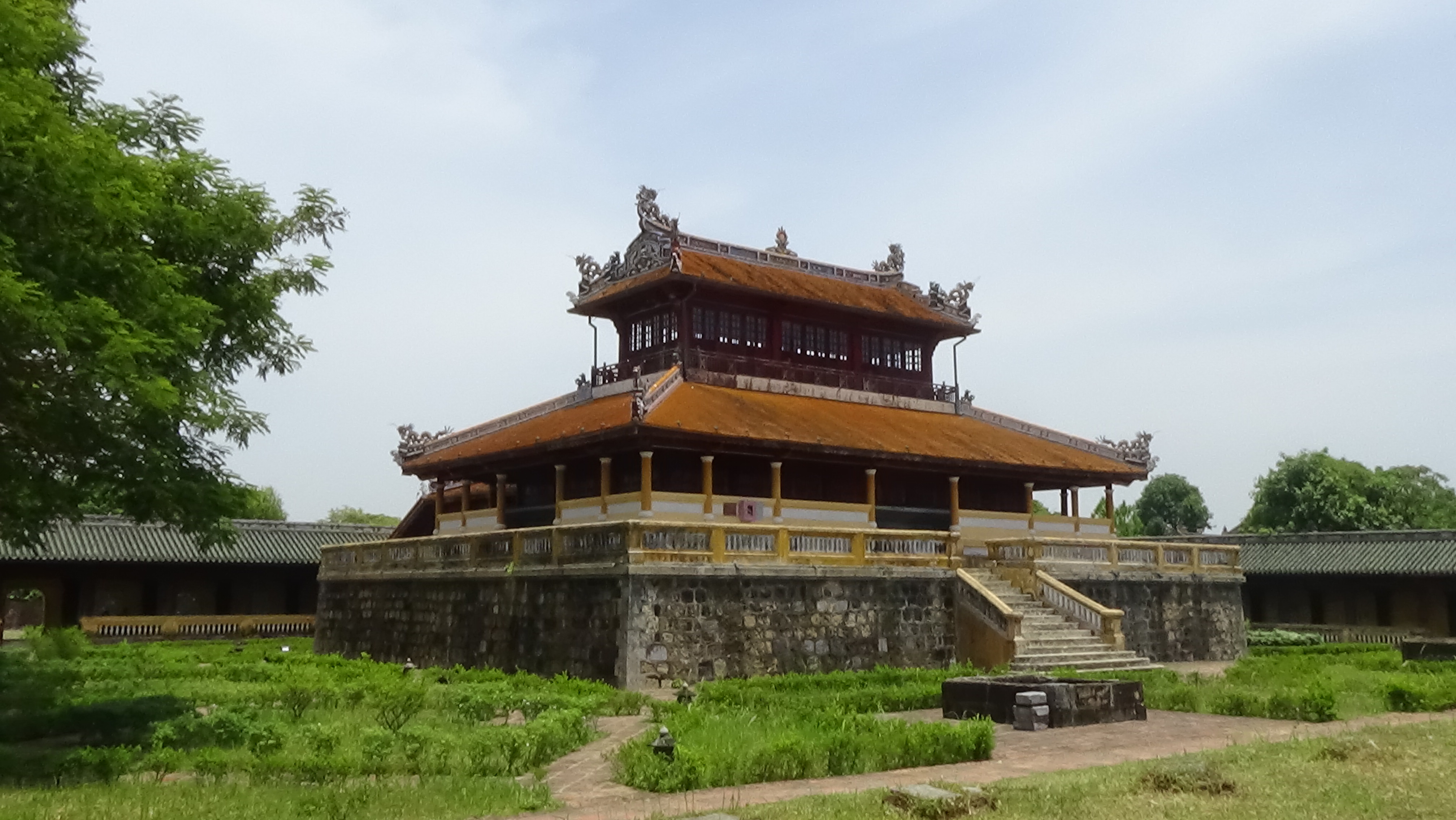
Nhật Thành Lâu
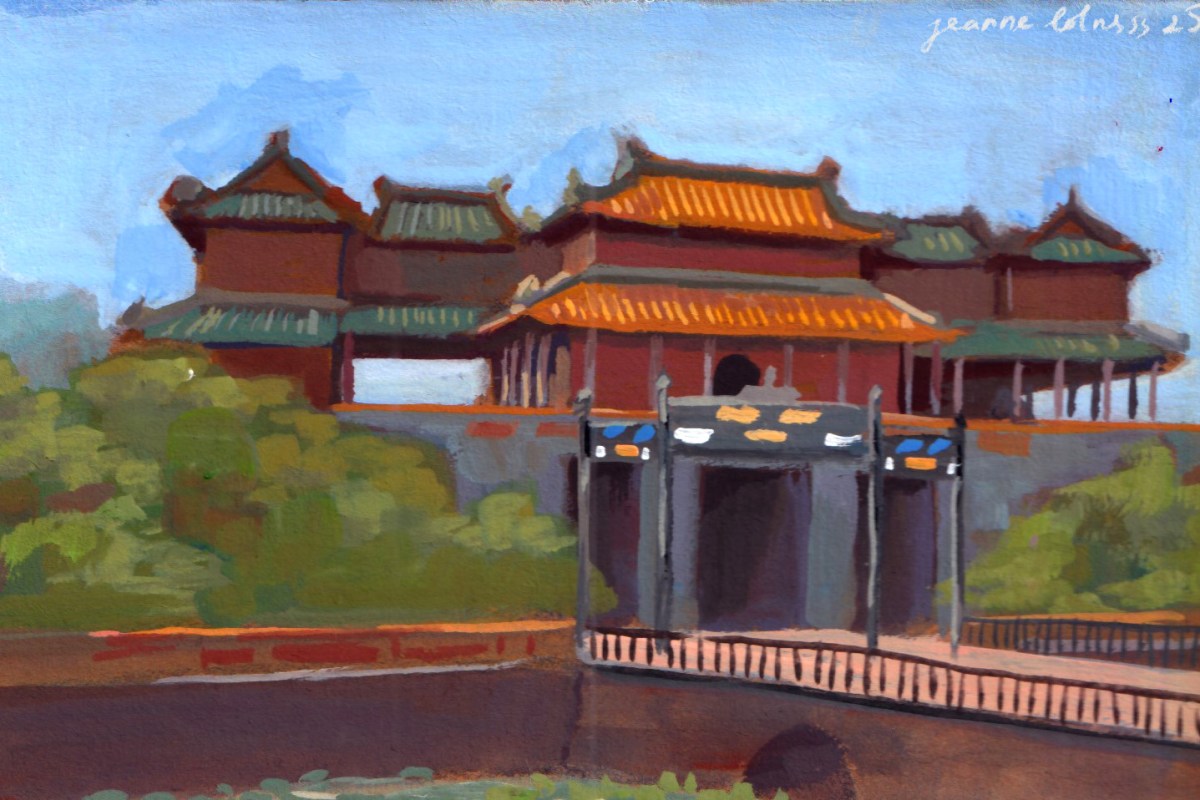
Cổng Ngọ Môn

It was a sunny and hot day, and there were swarms of people visiting the citadel: foreigners, local people, Vietnamese travelers. The entrance (Cổng Ngọ Môn) was the most crowded spot, afterwards, people started wandering to different areas. It was understandable, because the entrance was built to impress anyone coming, foreshadowing normal people to pay respect to the king. My little painting can’t capture all the details of the entrance, many decorative elements were made by skilled craftsmen from all across Vietnam.
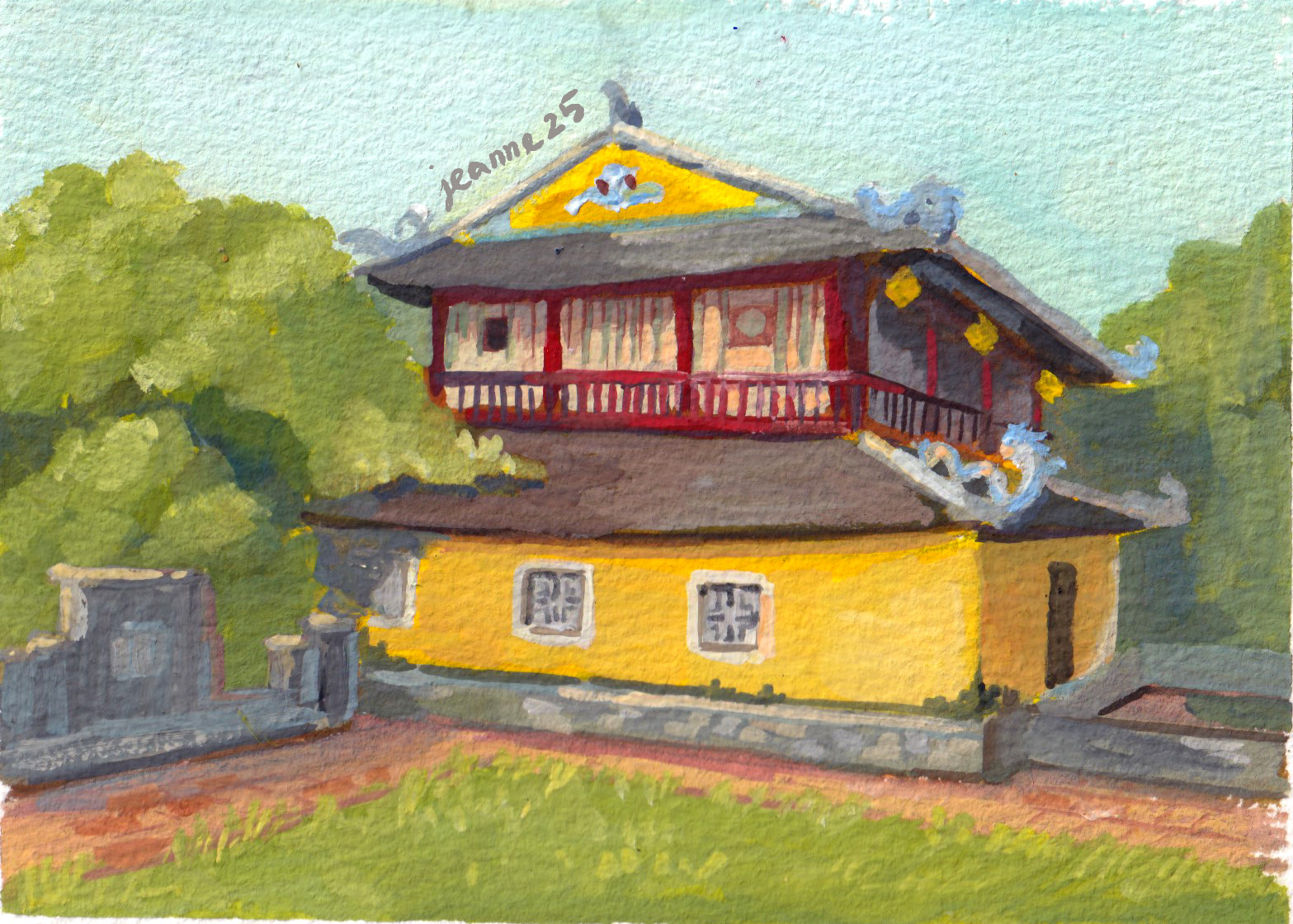
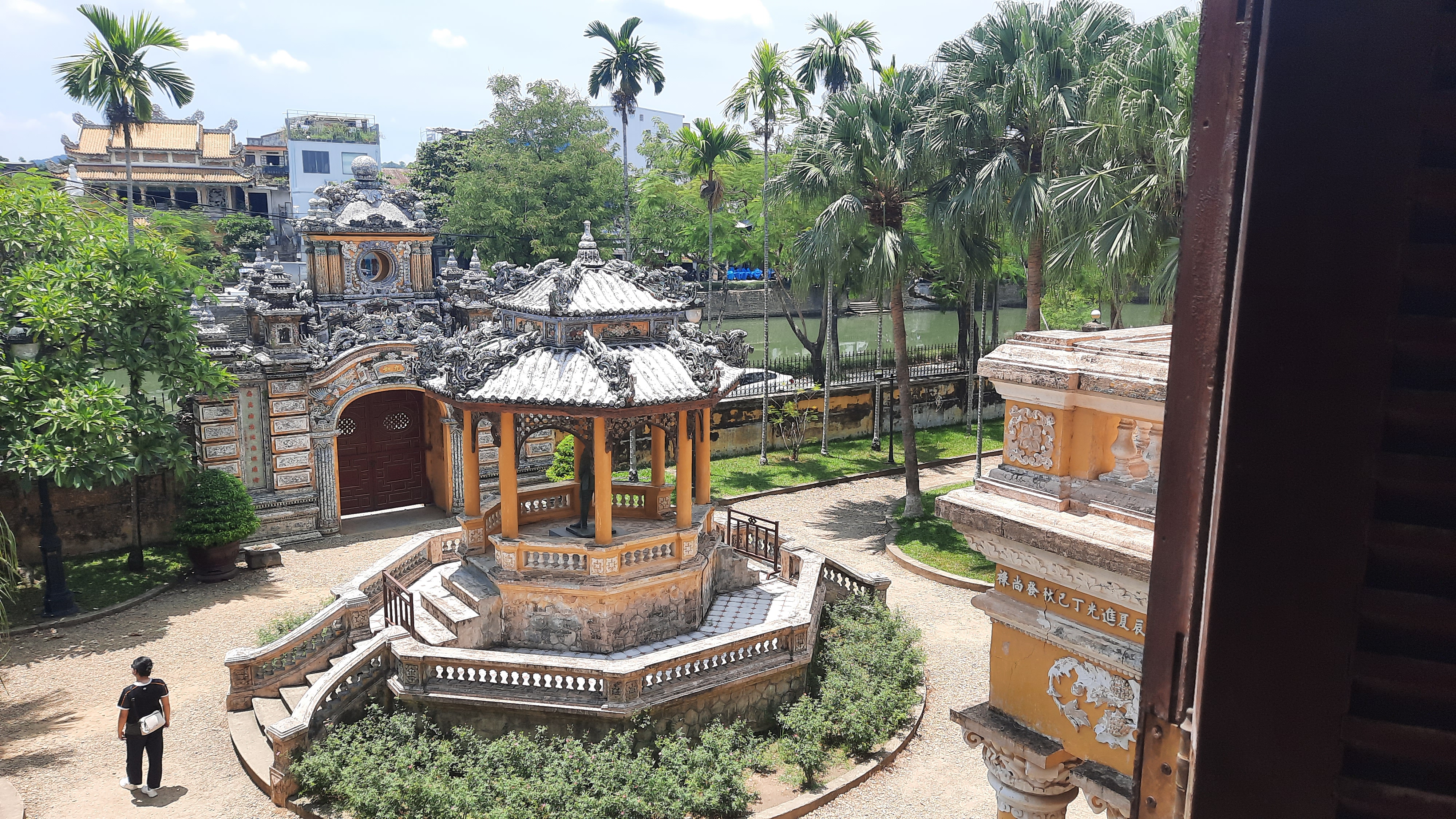
Phước Thọ Am
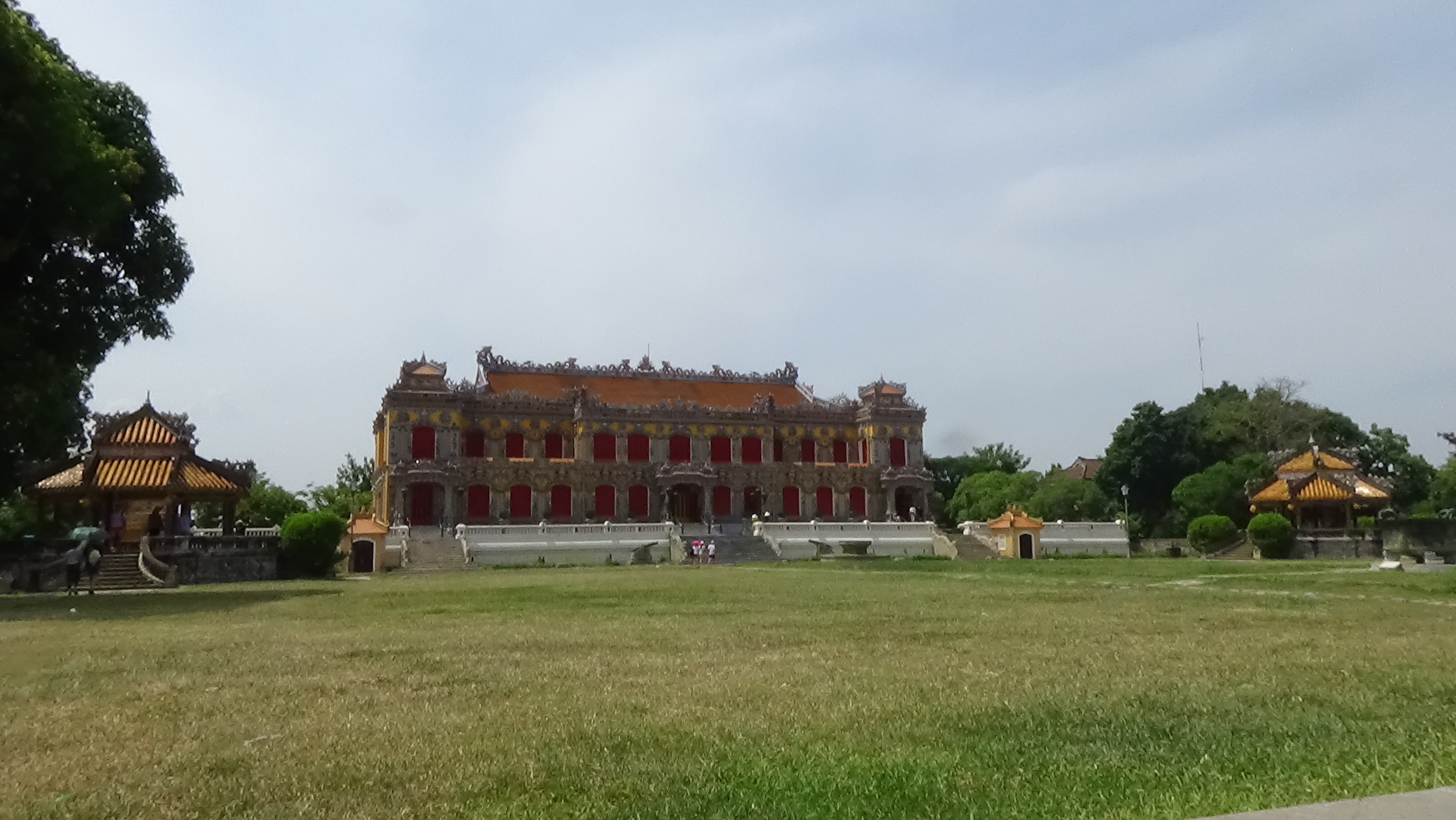
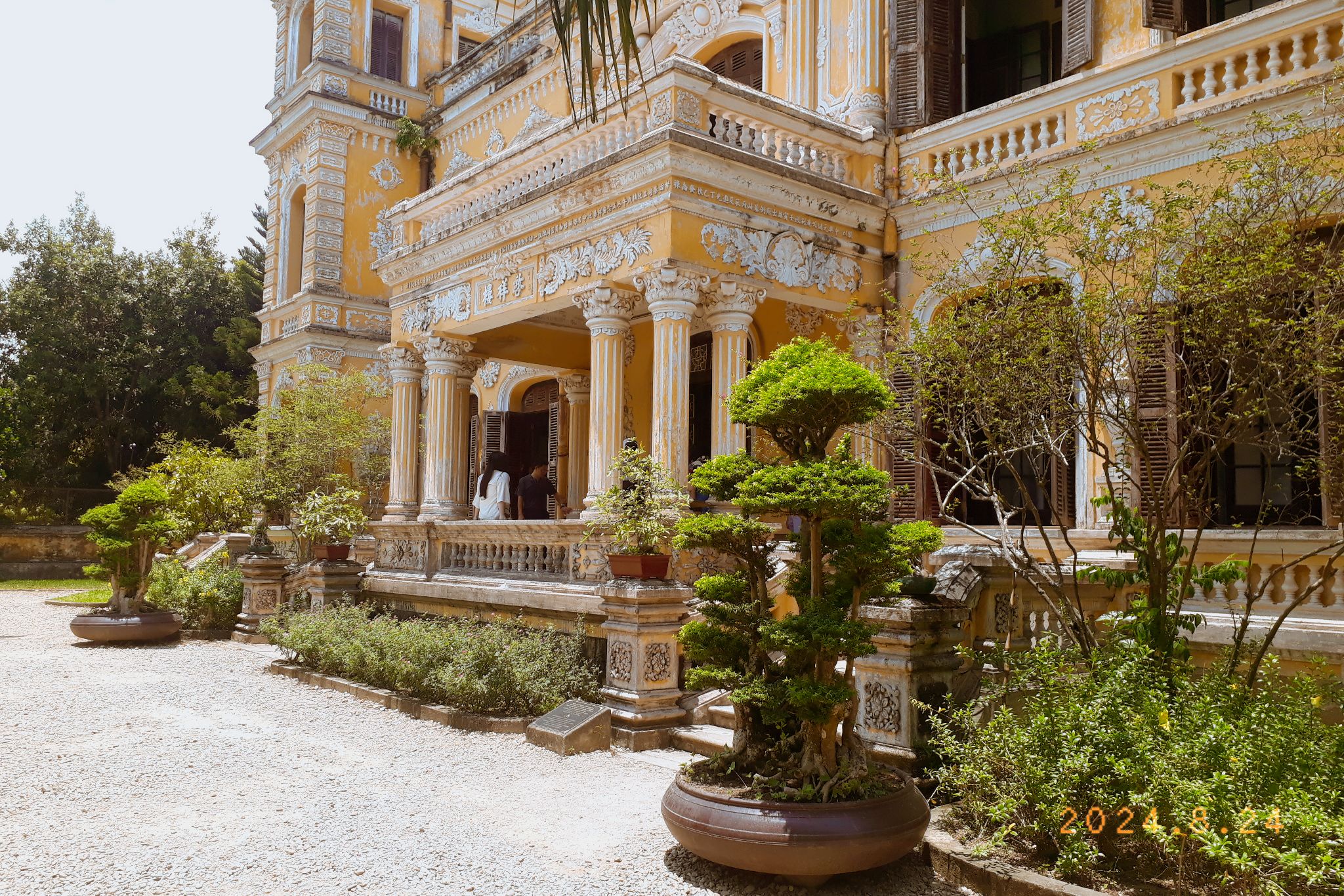
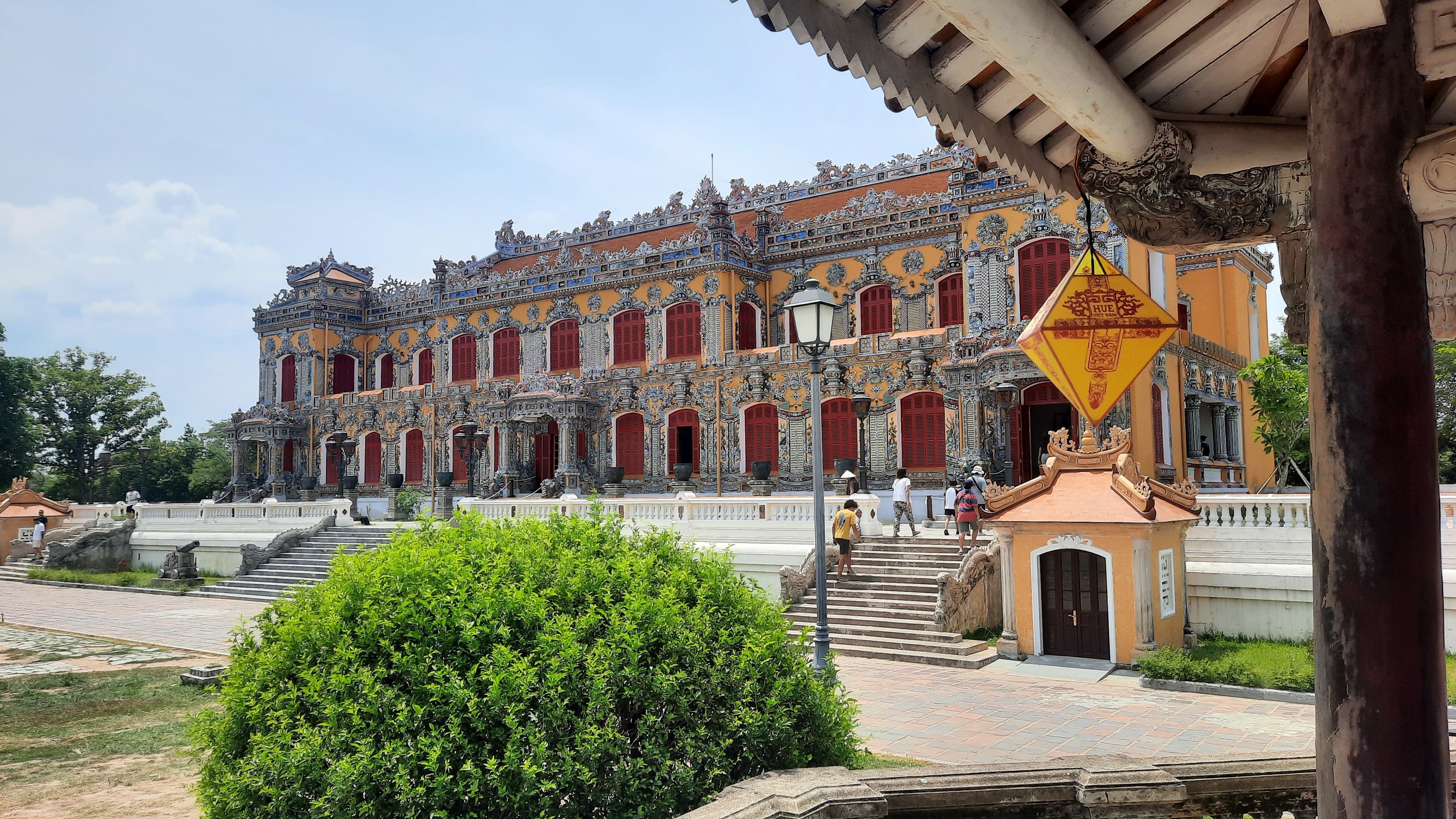
Lầu Tịnh Minh

These two places (Phước Thọ Am, Lầu Tịnh Minh) were built much later, reflecting the changes coming from the outer world. Lầu Tịnh Minh was built in 1927, featuring a higher ceiling, a larger balcony and many other elements from Western, particularly French architecture; but still keeping the traditional roof and decorative tiles of Vietnam.
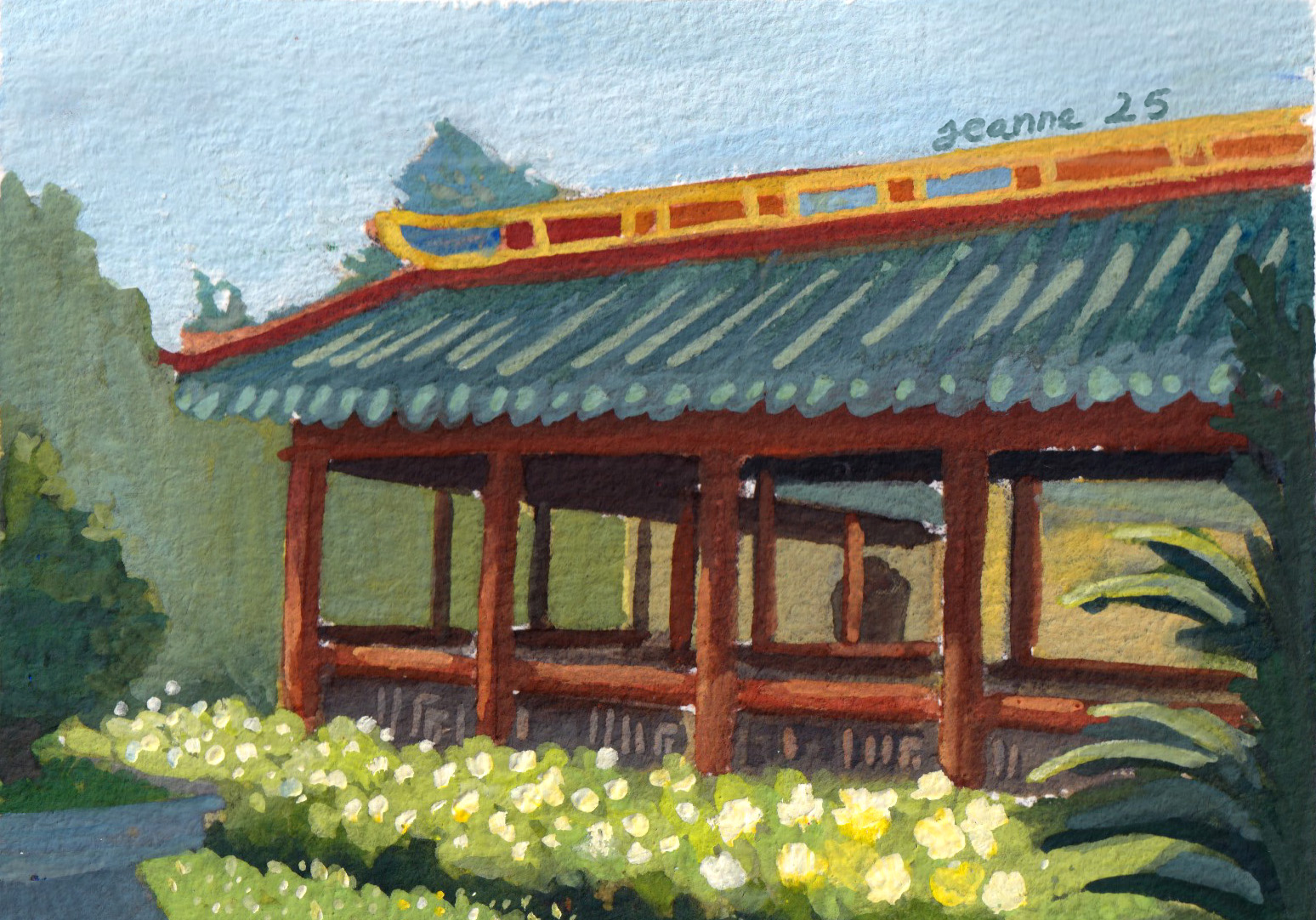
There are many places that I haven’t painted and I’m still excited to paint them, even after a year. There are still so many things I want to learn about Hue architecture and history.

You can use some of my images below to paint if you are interested in Vietnamese medieval architecture! Share with me if you can.
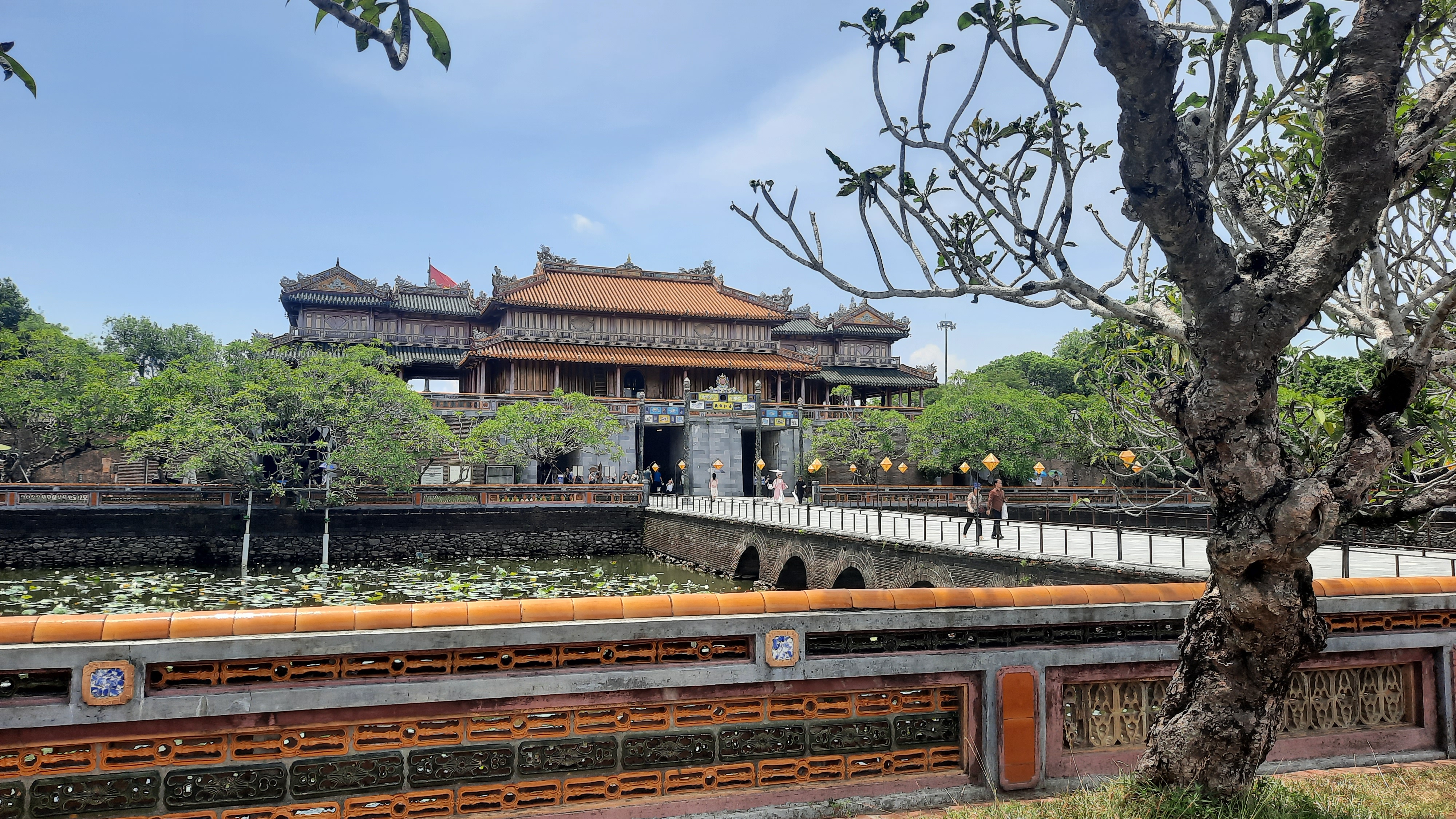
Sketching Vietnamese culture; watercolor strokes and shades

I use daily life as my resource for sketching, naturally, Vietnamese culture is a recurring topic. Keep scrolling to be excited by my culture!

Áo Dài” (loosly translated to English: Long Dress) is the Vietnamese traditional attire now, in fact, it’s the result of an evolving history of costumes. The version of the Áo Dài commonly seen on Vietnamese streets today is a modern adaptation from the 20th century. Vietnamese traditional costumes are an extensive and fascinating topic, one that I’d love to explore in greater depth later.

Male versions: Left: A medieval soldier; Right: A groom
Female versions: Left: áo ngũ thân tay chẽn (a predecessor to Ao Dai);
Right: Ao Dai (popular for daily wear in 20th century)

These little sketches were painted after I attended an event celebrating the history of Áo Dài in Hanoi, in which multiple versions were showcased.


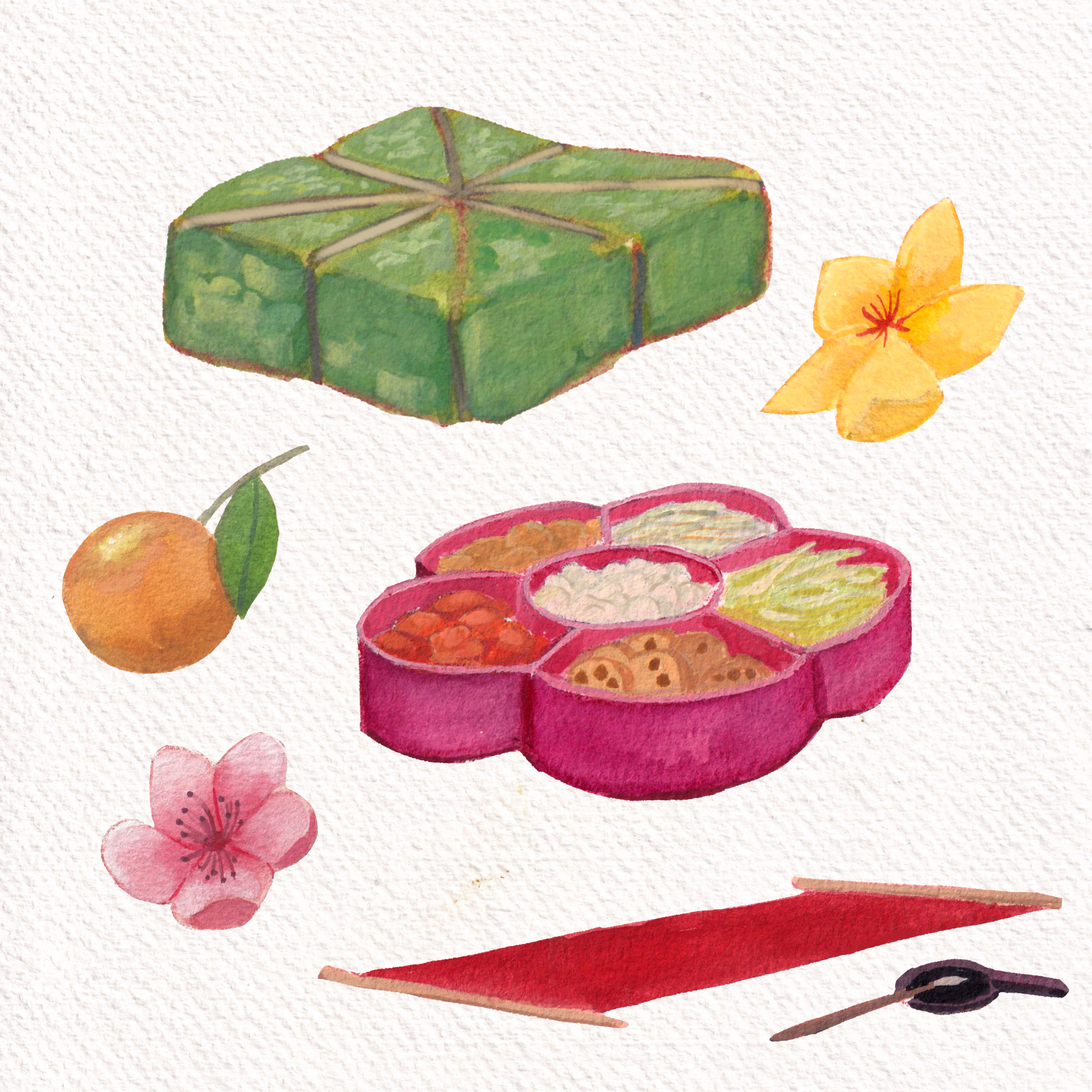
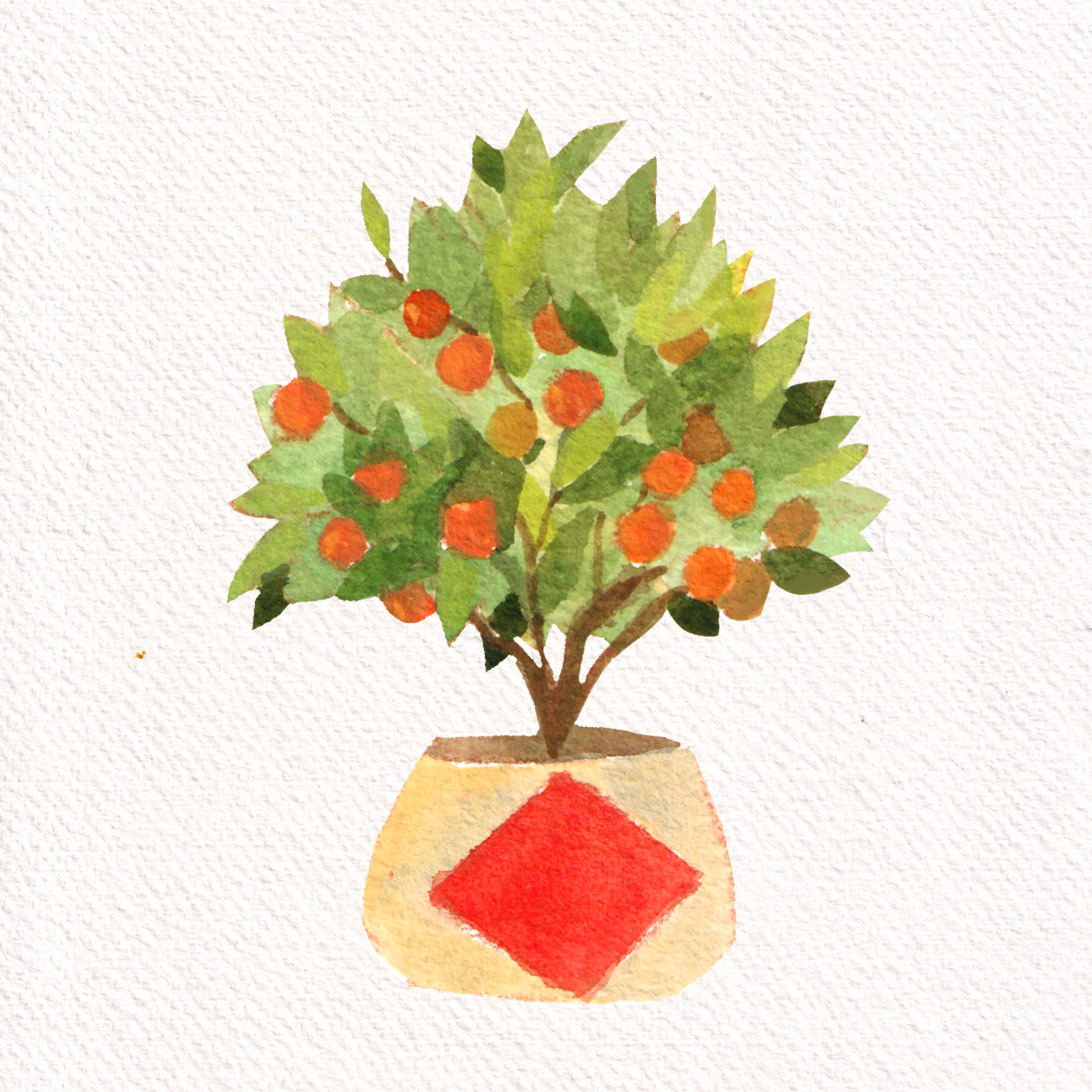
Tết holiday (Lunar New Year) is the time to watch bustling streets, enjoy traditional cuisine and appreciate the beginning of a new year. Not every Asian country celebrate Lunar New Year the same way and equally important. Simply explained, Tết holiday for Vietnamese is on the same level of importance as Christmas holiday for Westerners, Chuseok for Korean, Songkran for Thais, Diwali for Indians or Ramadan for Muslims.

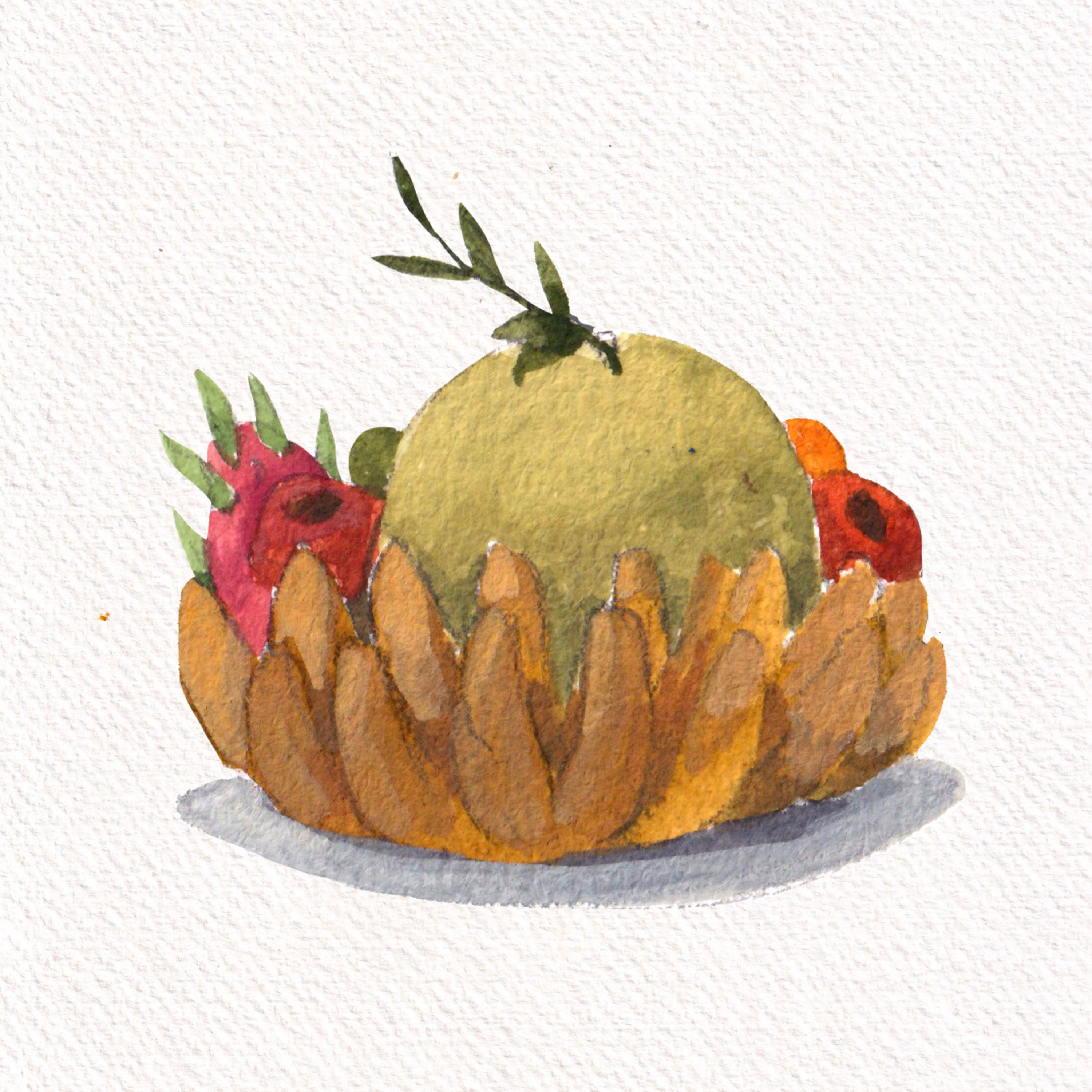
Bánh Chưng (sticky rice, pork, mung beans wrapped in Dong leaves) in green; Mứt (Candied Fruits) organized in traditional boxes; traditional calligraphy; Hoa Đào – Hoa Mai – Quất (3 types of essential plants for Tết)

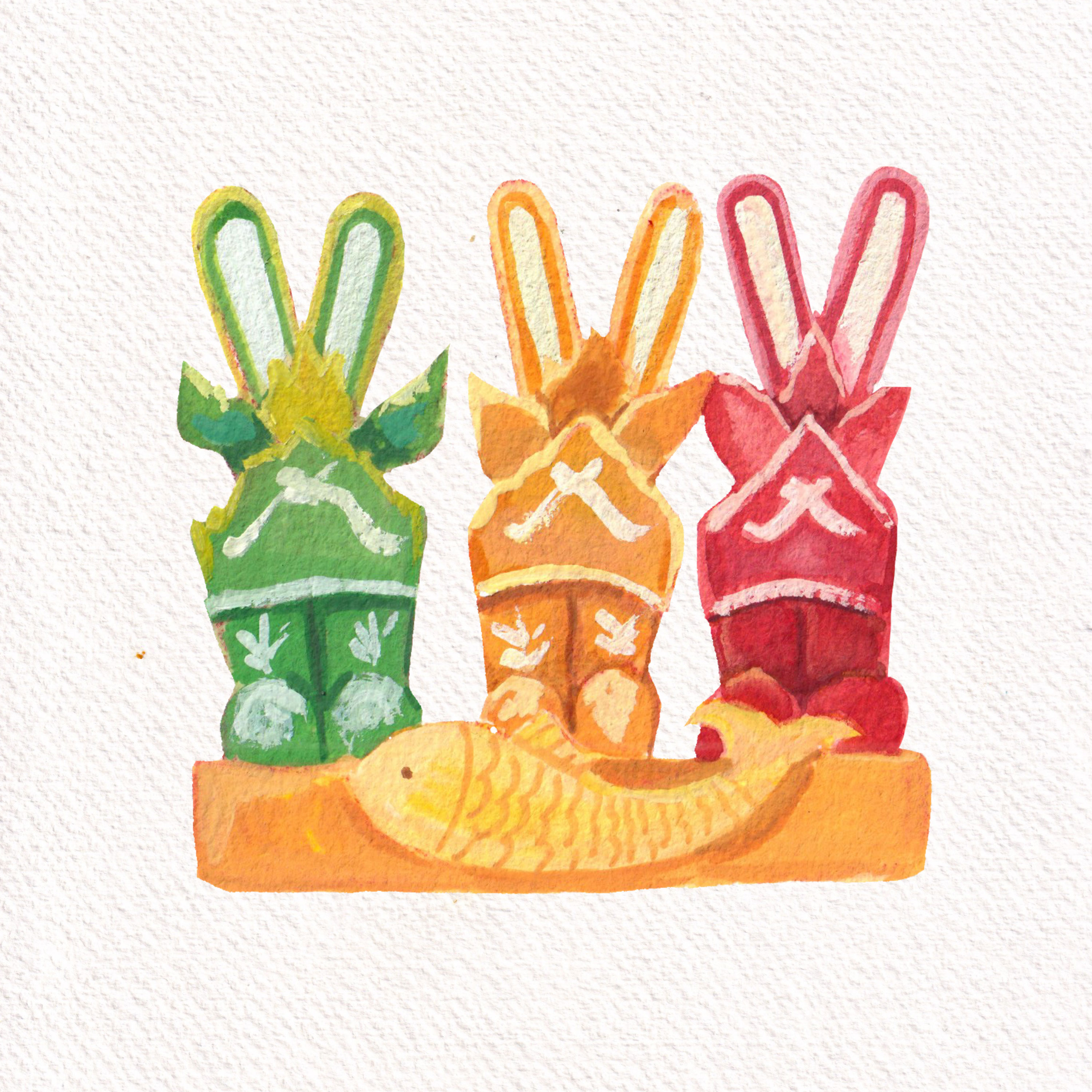
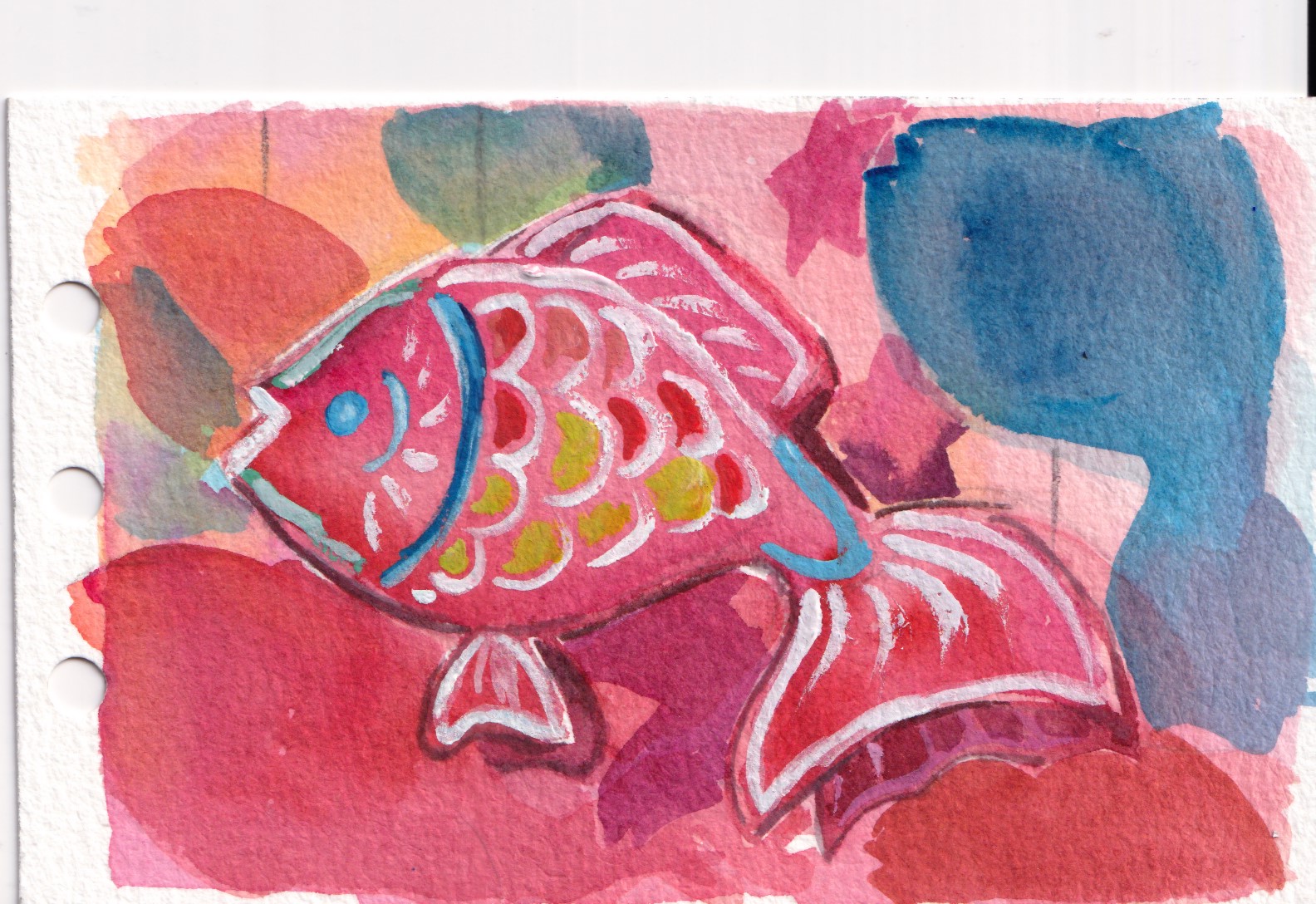
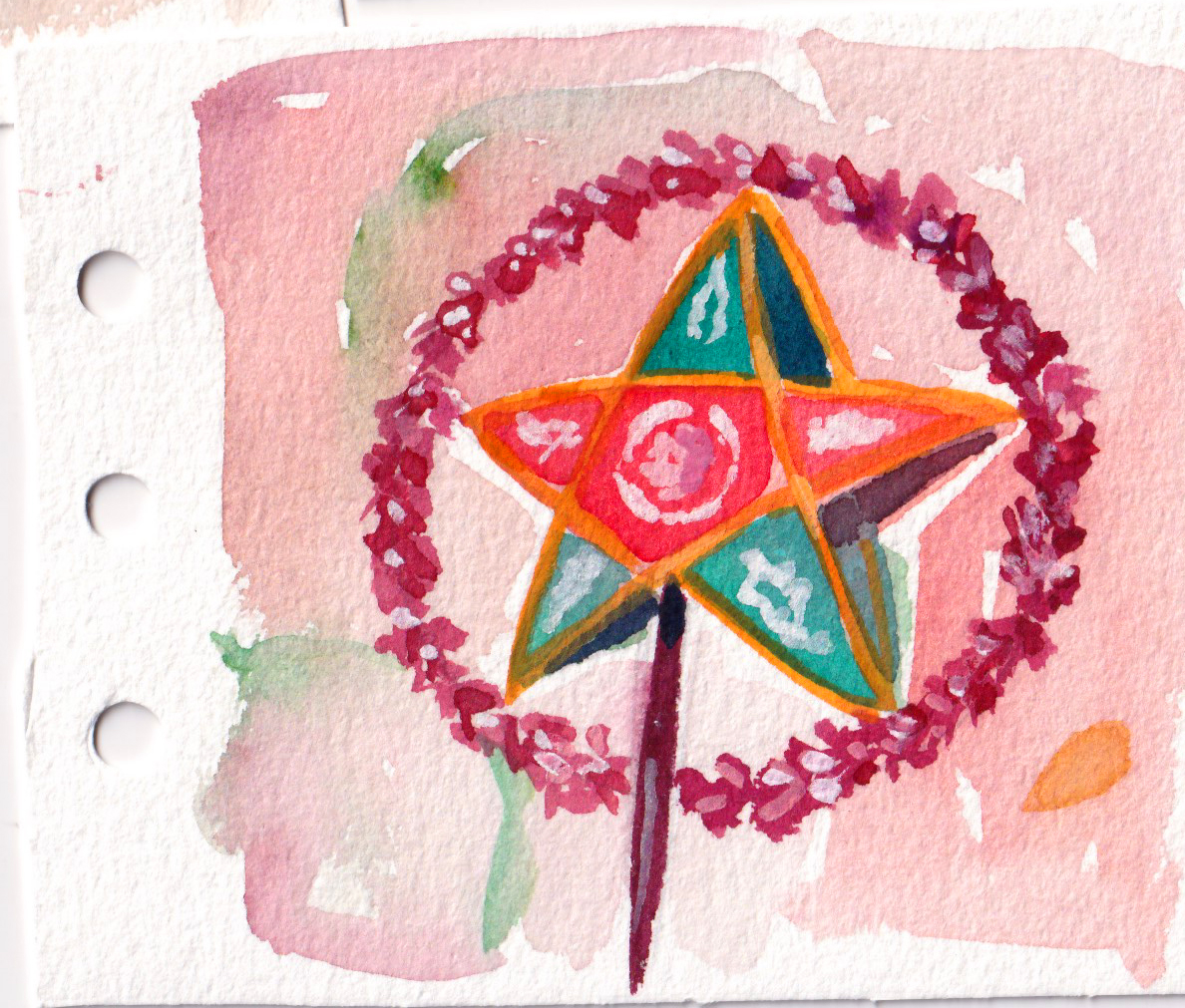
Mid-Fall festival or Moon Festival (Tết Trung Thu/ Tết Trông Trăng) is another major holiday for Vietnamese. It takes place on the 15th day of the 8th lunar month, typically around September or October. Children are especially excited during this festival, as they carry colorful lanterns, traditional toys and participate in fun parades. Mooncakes, filled with lotus seed paste or red bean, are shared among family members and friends as a symbol of unity and prosperity.

As I think about the colorful and lively culture of Vietnam, I’m reminded of how our traditions come to life through art, festivals, and our clothing. The Áo Dài, with its deep history, isn’t just a beautiful outfit—it’s a link to our past. Festivals like Tết and the Mid-Fall Festival bring us together, sharing happiness, food, and a sense of community. Every sketch and note I make is a way to celebrate these special moments.