Over the past few years, I have received numerous requests for couple illustrations for a variety of purposes—weddings, anniversaries, personal gifts, and even editorial use. The style preferences vary widely, from cartoony and humorous to deeply emotional, as well as partially colored sketches to fully painted pieces.
Here are some illustrations are allowed to publish for my personal promotions.
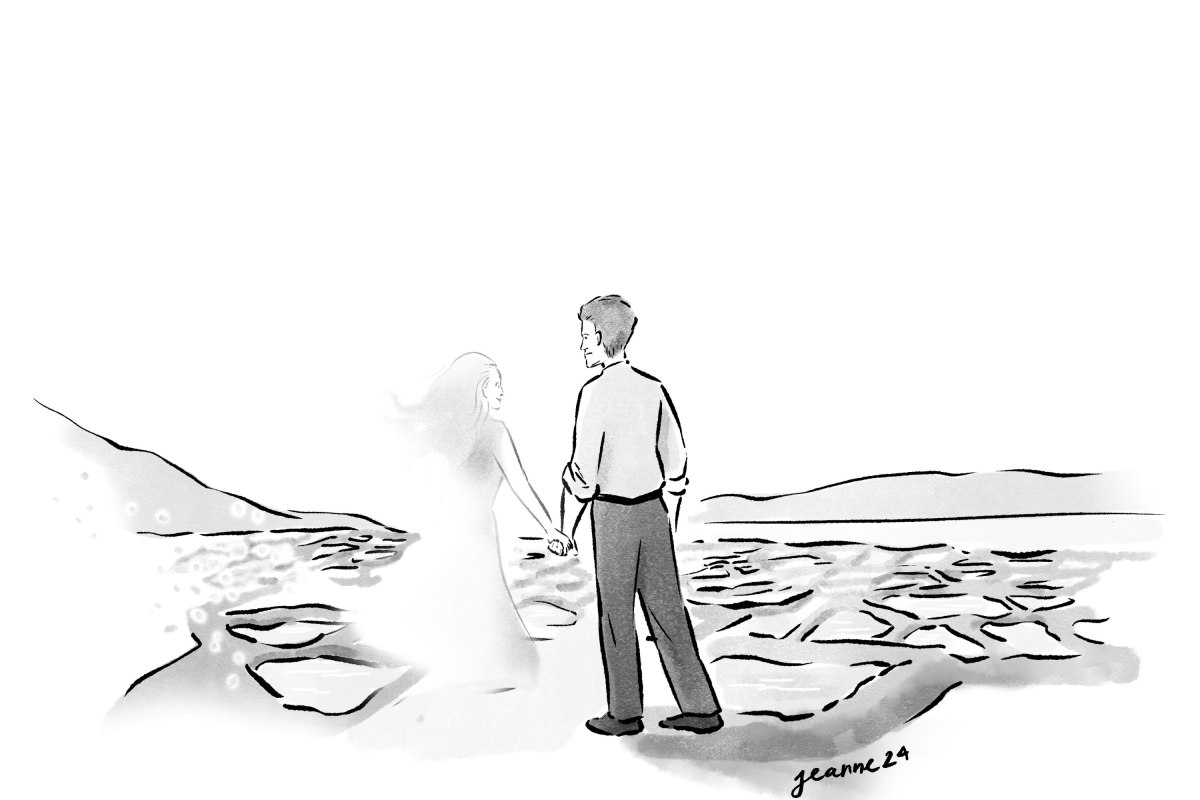
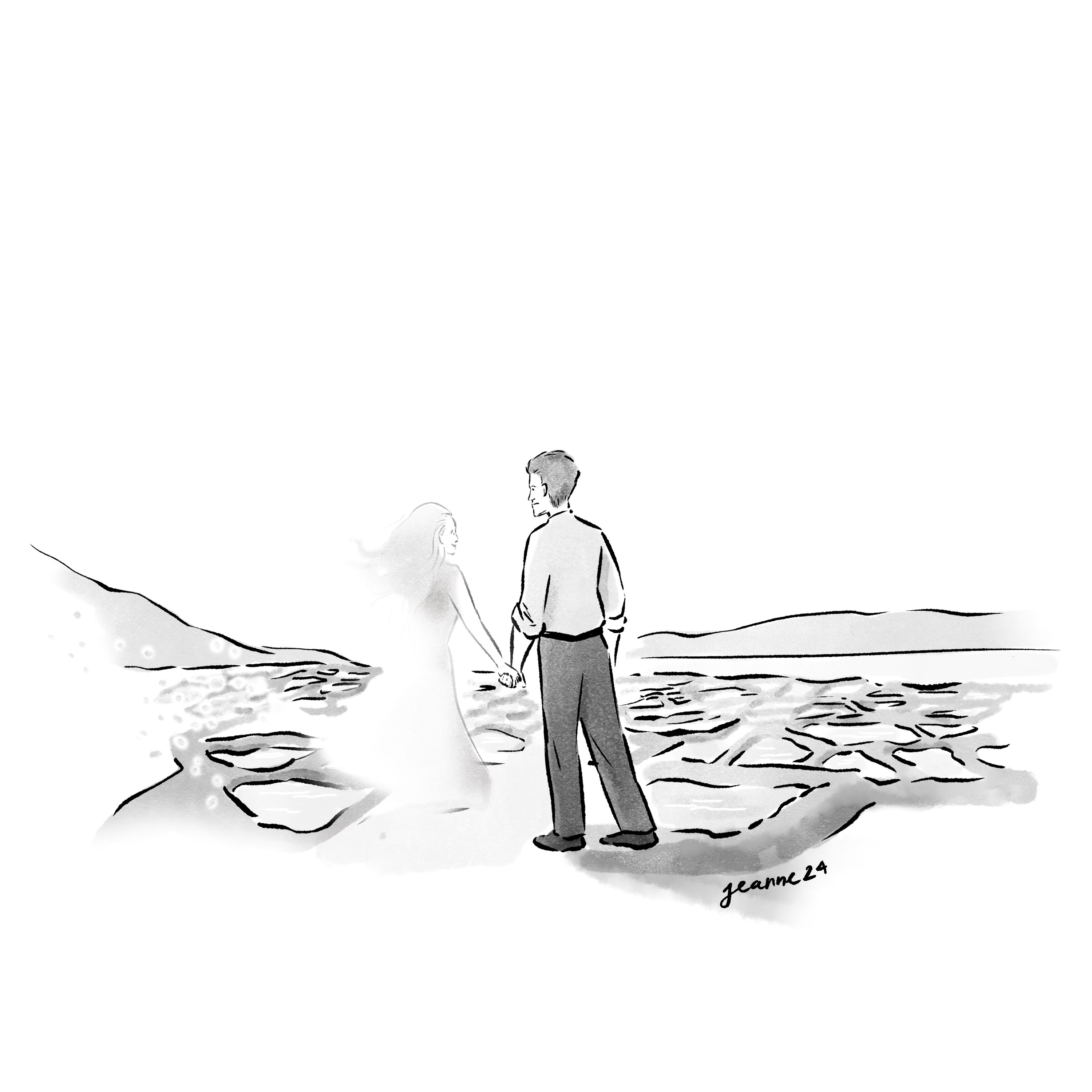
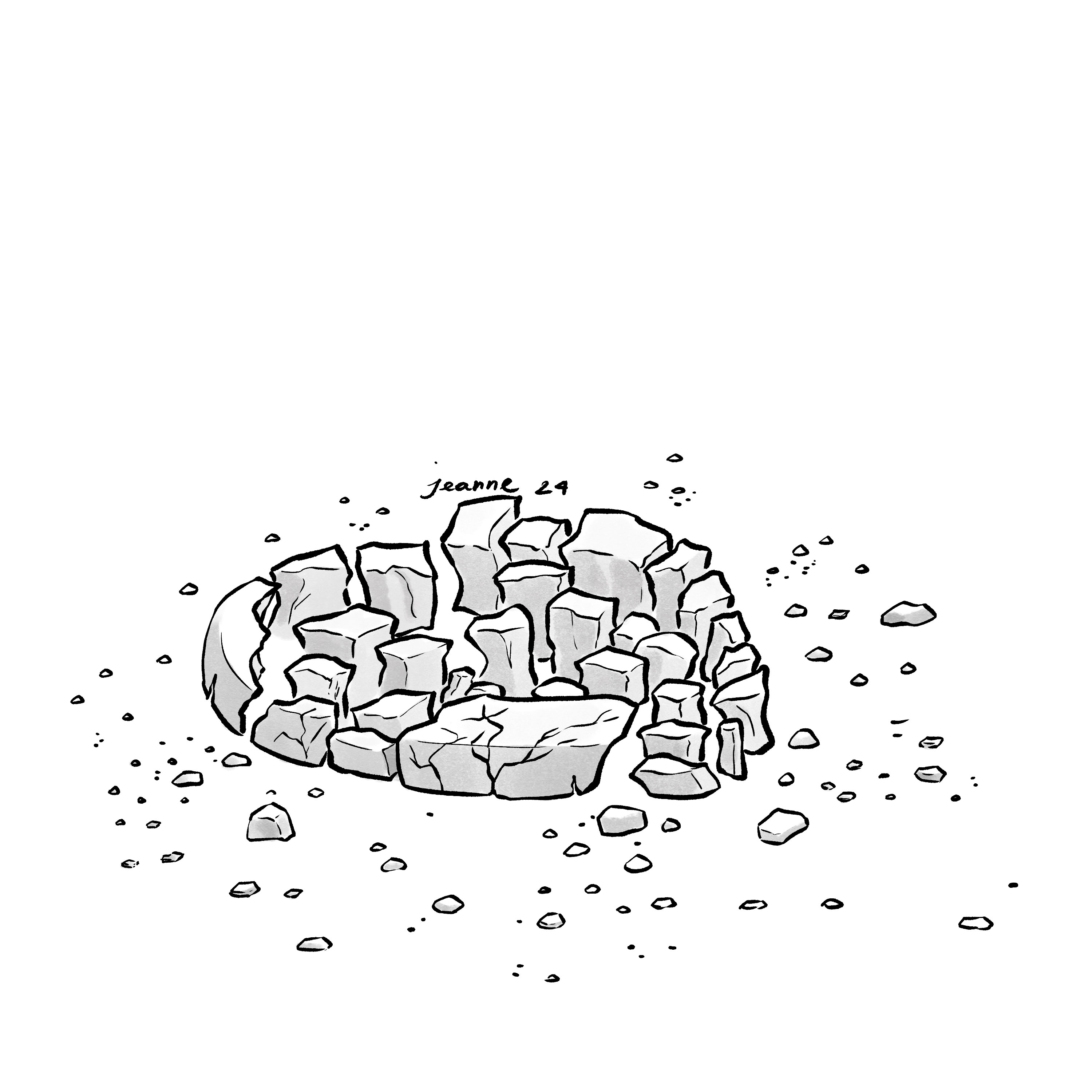
Above are a few monochrome drawings in a series of illustrations for a poetry book about love.
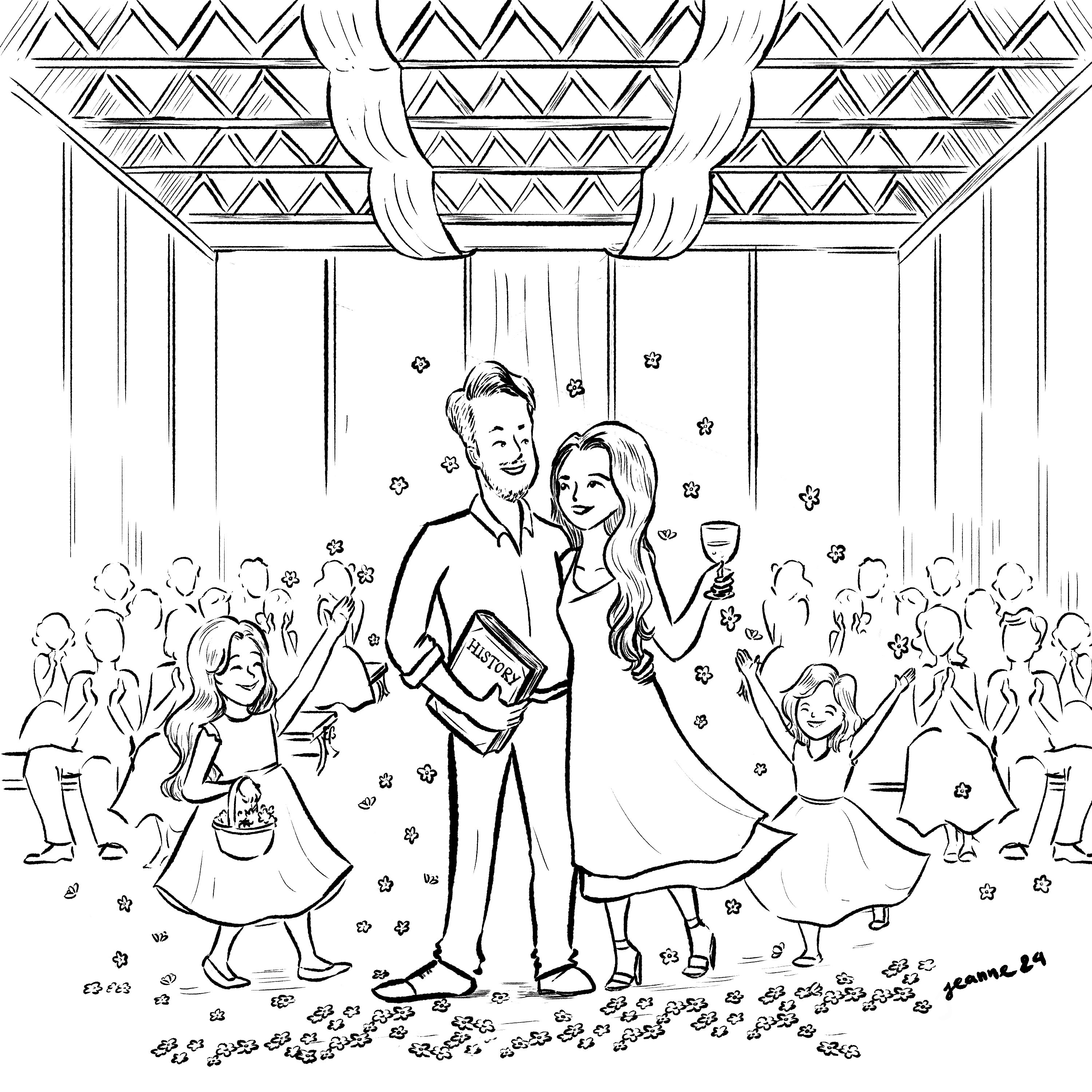
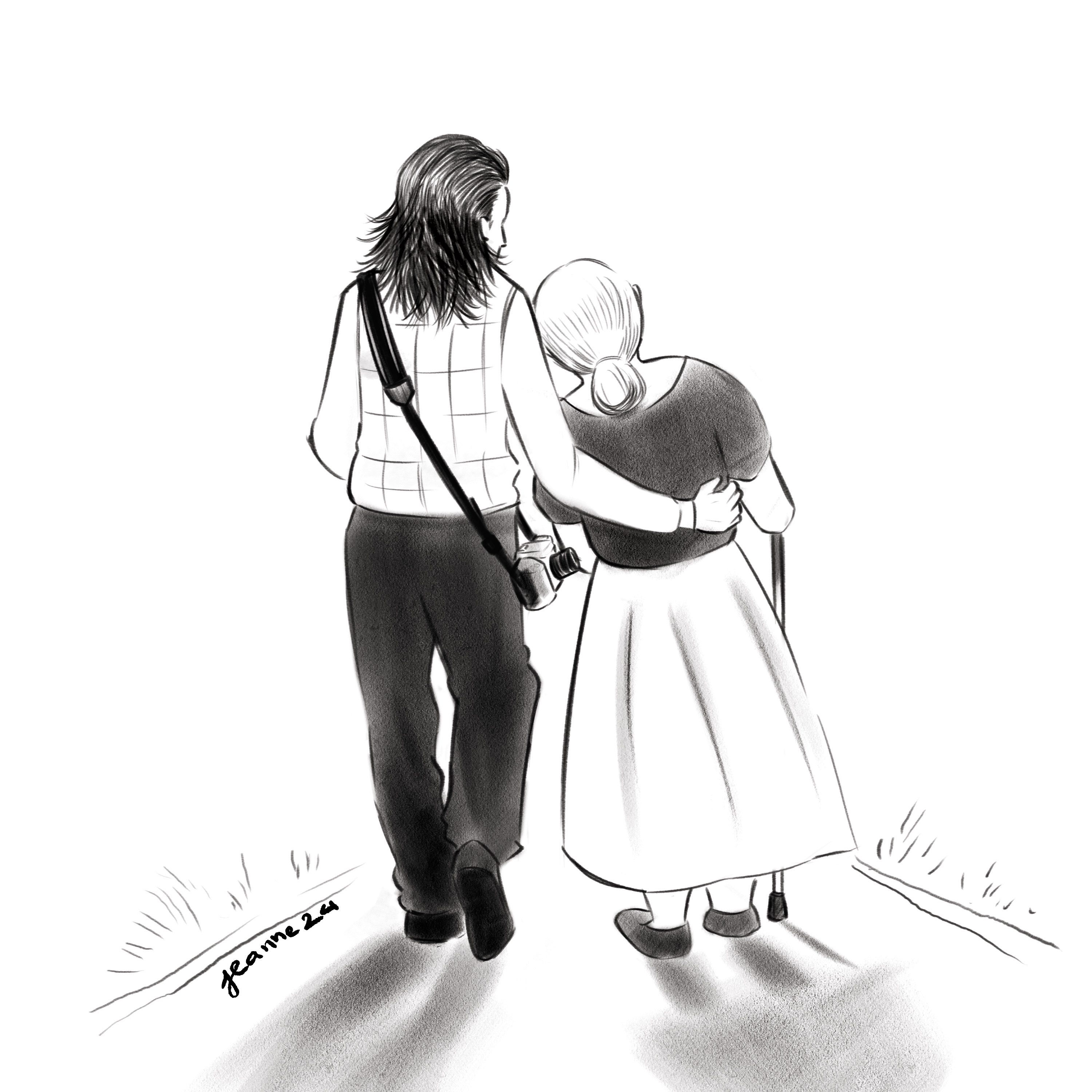
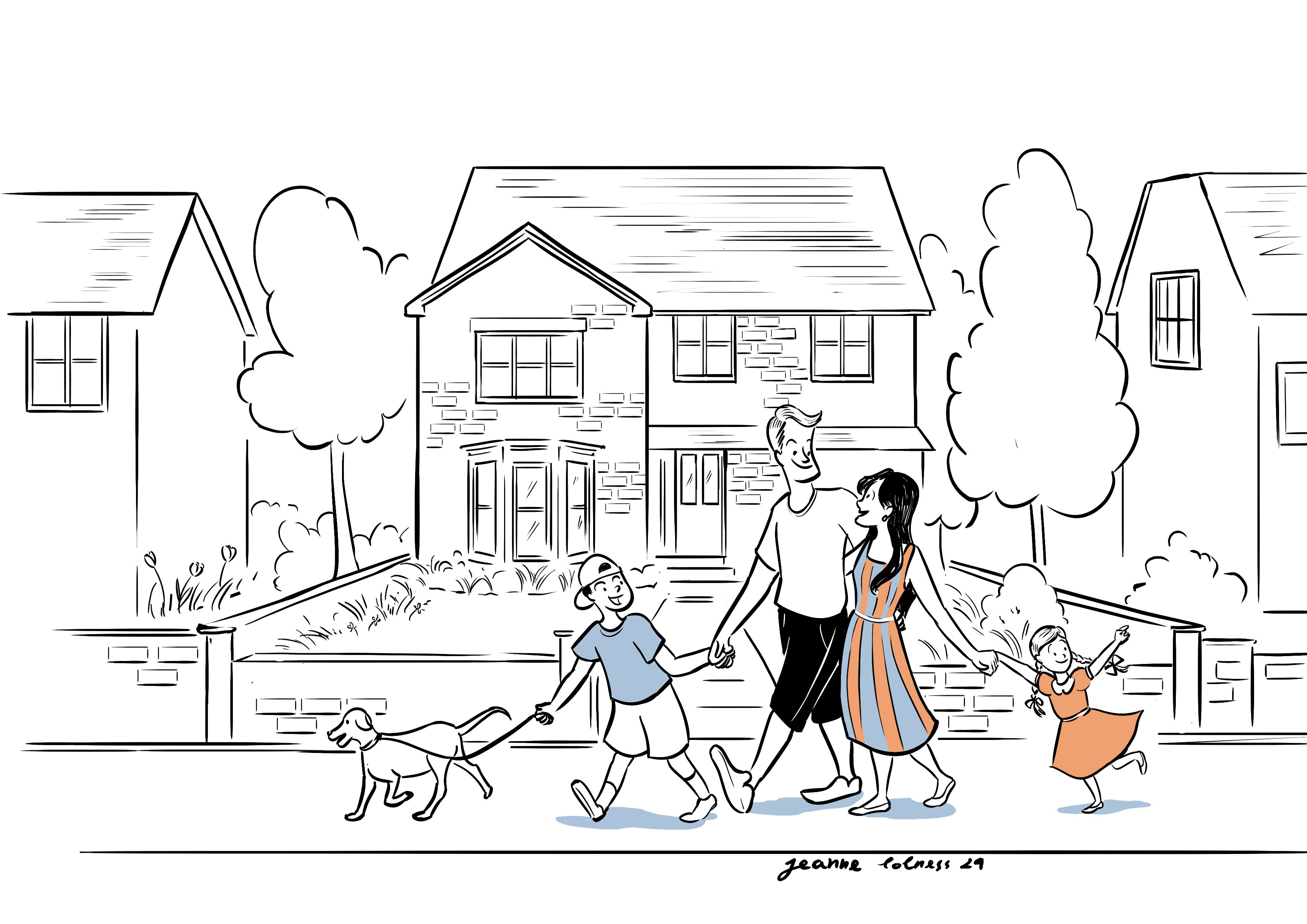
A couple married with two daughtersAn old couple, commissioned by their granddaughter
Here are some illustrations that I’m allowed to share for personal promotion. One of the biggest challenges in depicting love and affection is avoiding clichés. The most common pose—standing close with hands around each other’s waists—is often requested, so I strive to add a unique touch to each piece. Personalization is key: incorporating meaningful details from a couple’s memories, such as a special place, a significant object, or a shared symbol, can add layers of meaning that only they can truly appreciate.
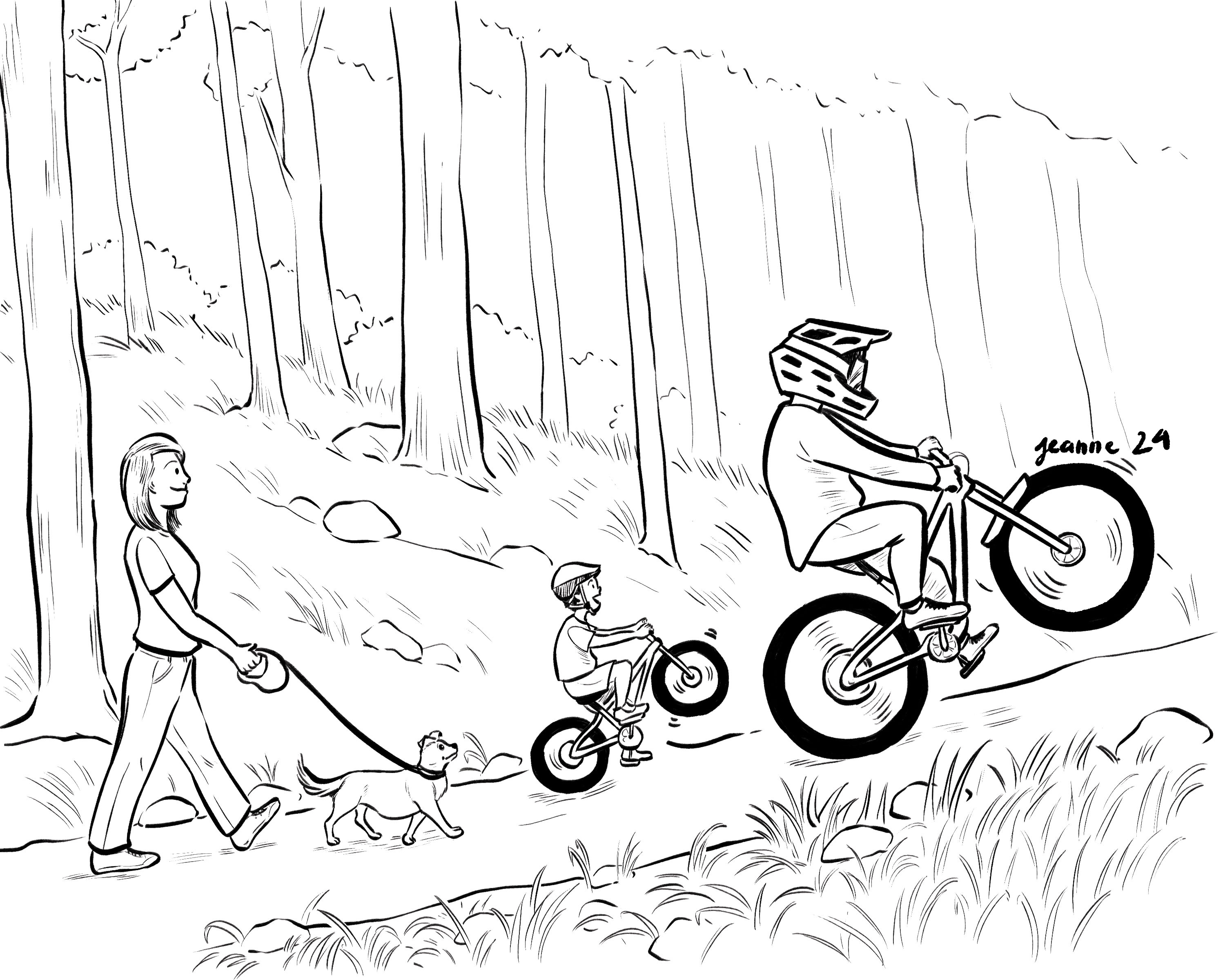
An illustration to show the family’s hobby timeAn editorial illustration
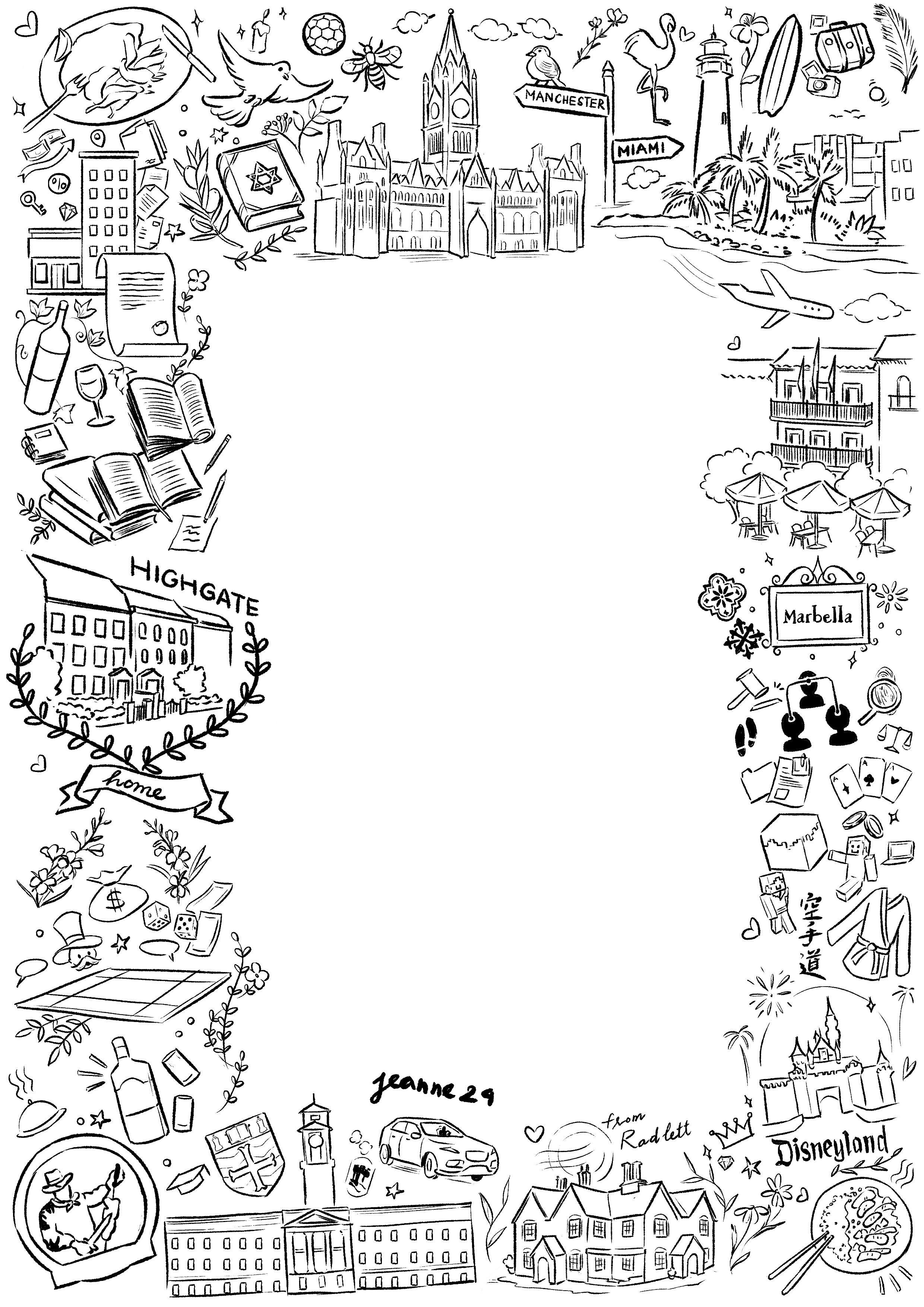
A doodle design for a wedding invitation, all the drawings are based on the couple’s memoriesA couple commission for a coming child with Easter theme
Couple illustrations are one of the most challenging commissions I take on. They require not only technical skills but also strong communication and an in-depth creative process—analyzing details, categorizing ideas, and translating emotions into visual elements.
Despite the challenges, creating couple illustrations is always a special experience. It’s rewarding to see how these artworks hold special meaning for each couple. I hope these illustrations bring joy and lasting memories to those who receive them.
Human face is always a hard subject for me, since it’s easy to draw it ‘wrong’ and hard to fix it ‘right’. The annoying thing is even if I realize the face is ‘off balance’, sometimes I can’t point out which part need fixing or how should I re-draw it later.
That’s why it takes a long time for me to be able to draw a face that I can feel satisfied with.
My start
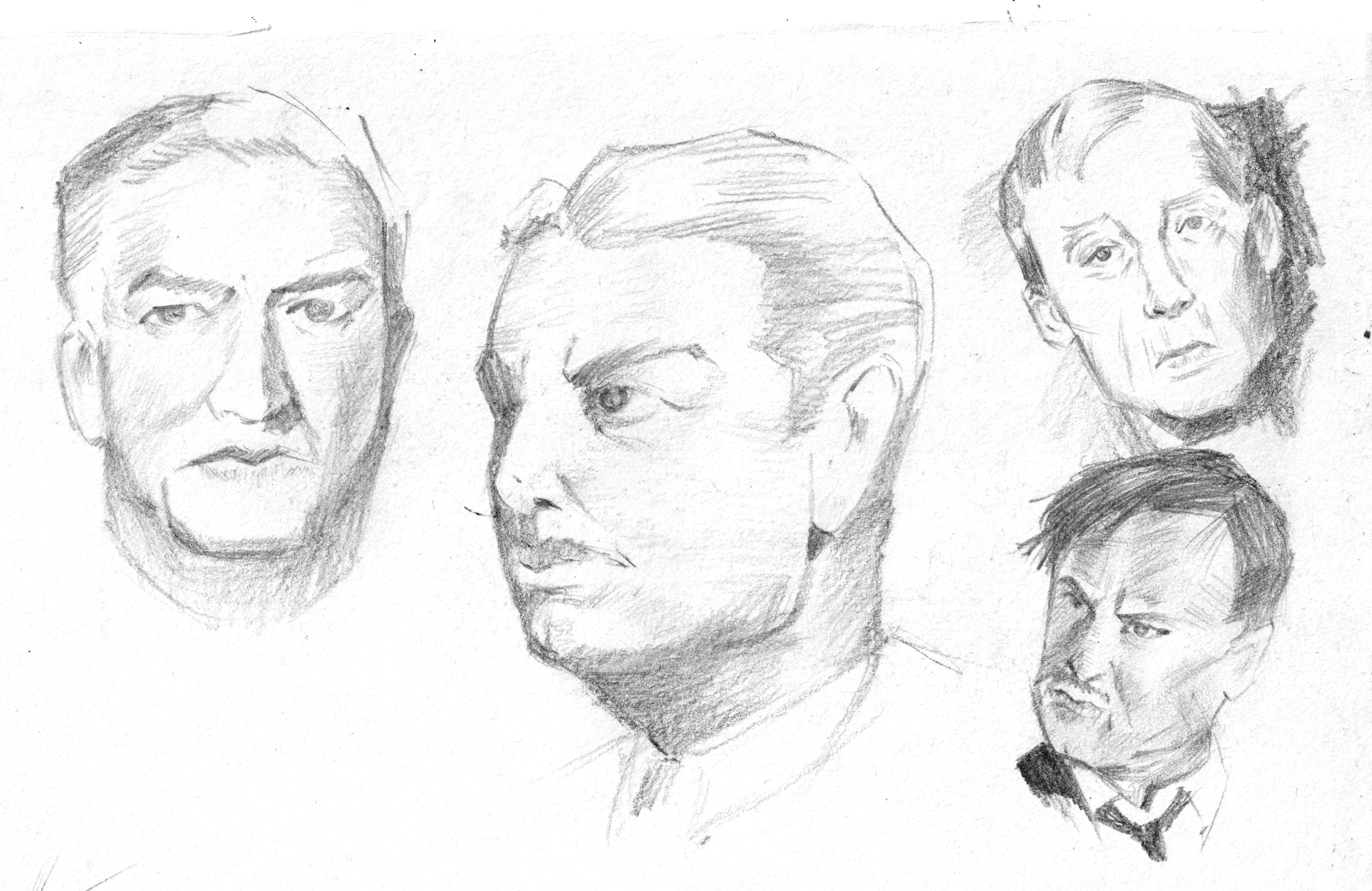
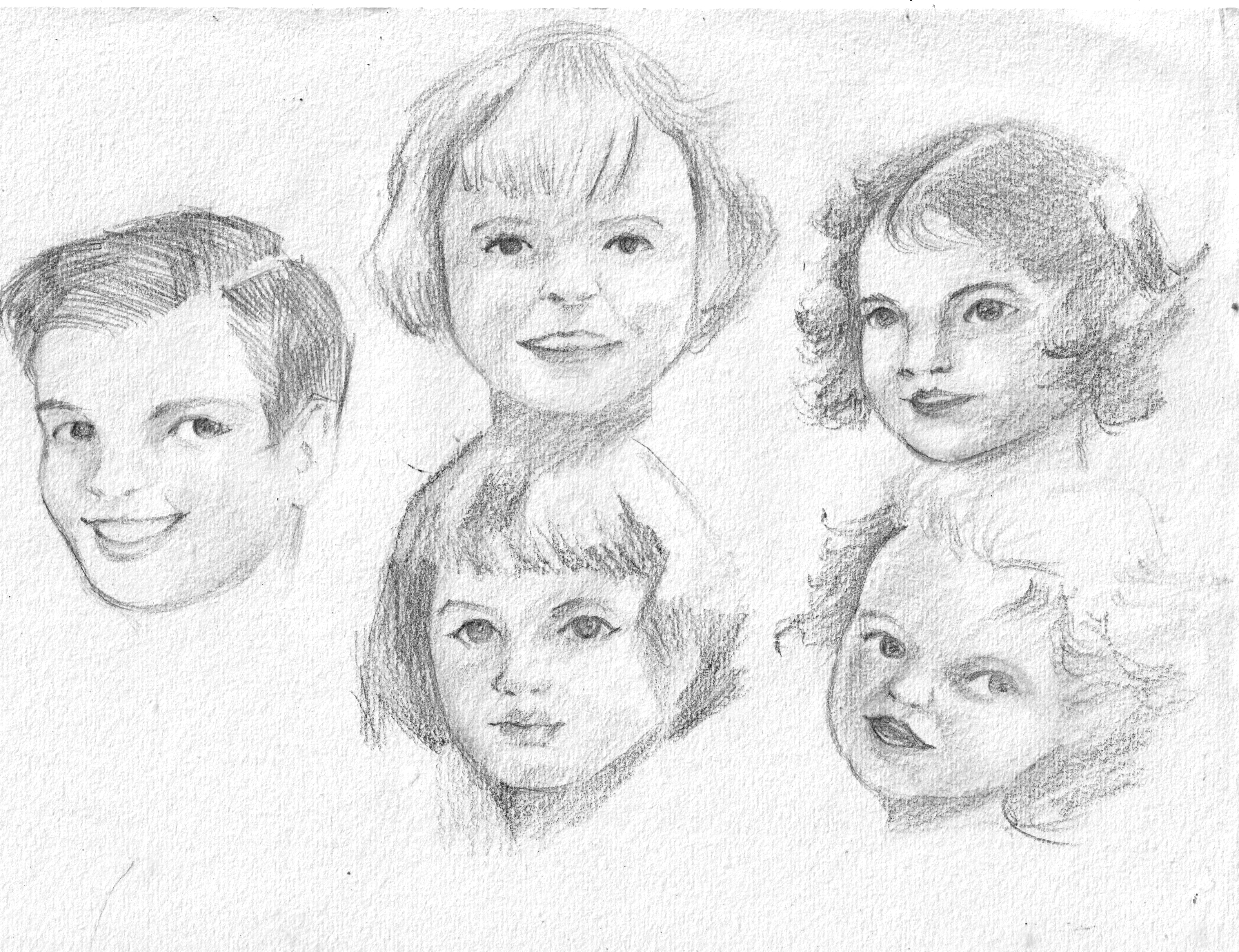
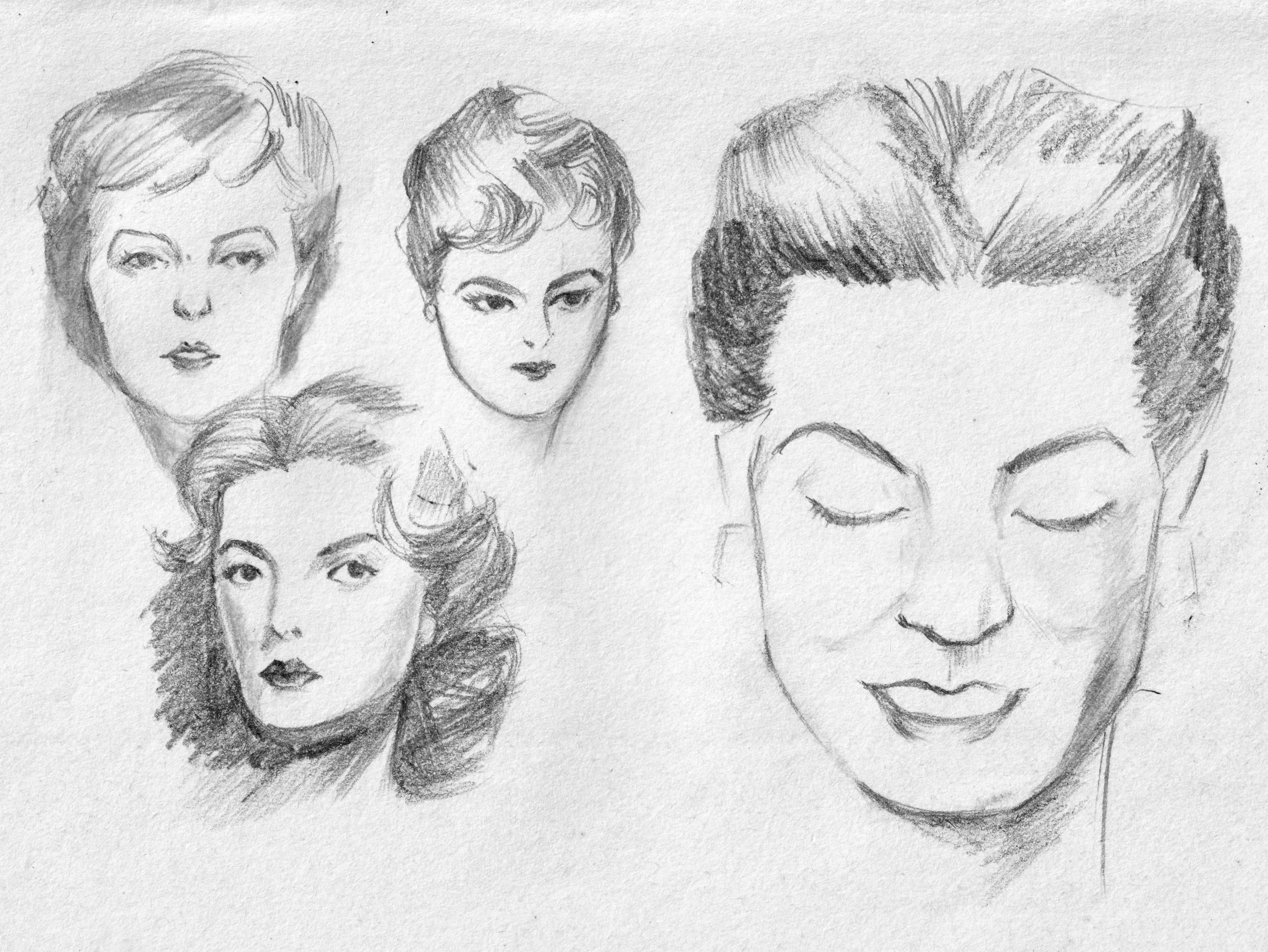
My first proper learning would be Proko’s drawing face videos, which is based on Andrew Loomis method. Later, I discovered Andrew Loomis wrote a whole series of books about arts, especially about figure drawings and portraits. The book I read, “Drawing the Face and Hands” was published in 1956, yet it’s still useful in learning the general structure of the face. The books were divided into male, female, teenager, kids and a small section at the end about hands. He often began with building the blocks first, then slowly adding features. The proportion of human face is similar among all people, yet, age and gender make the main difference.
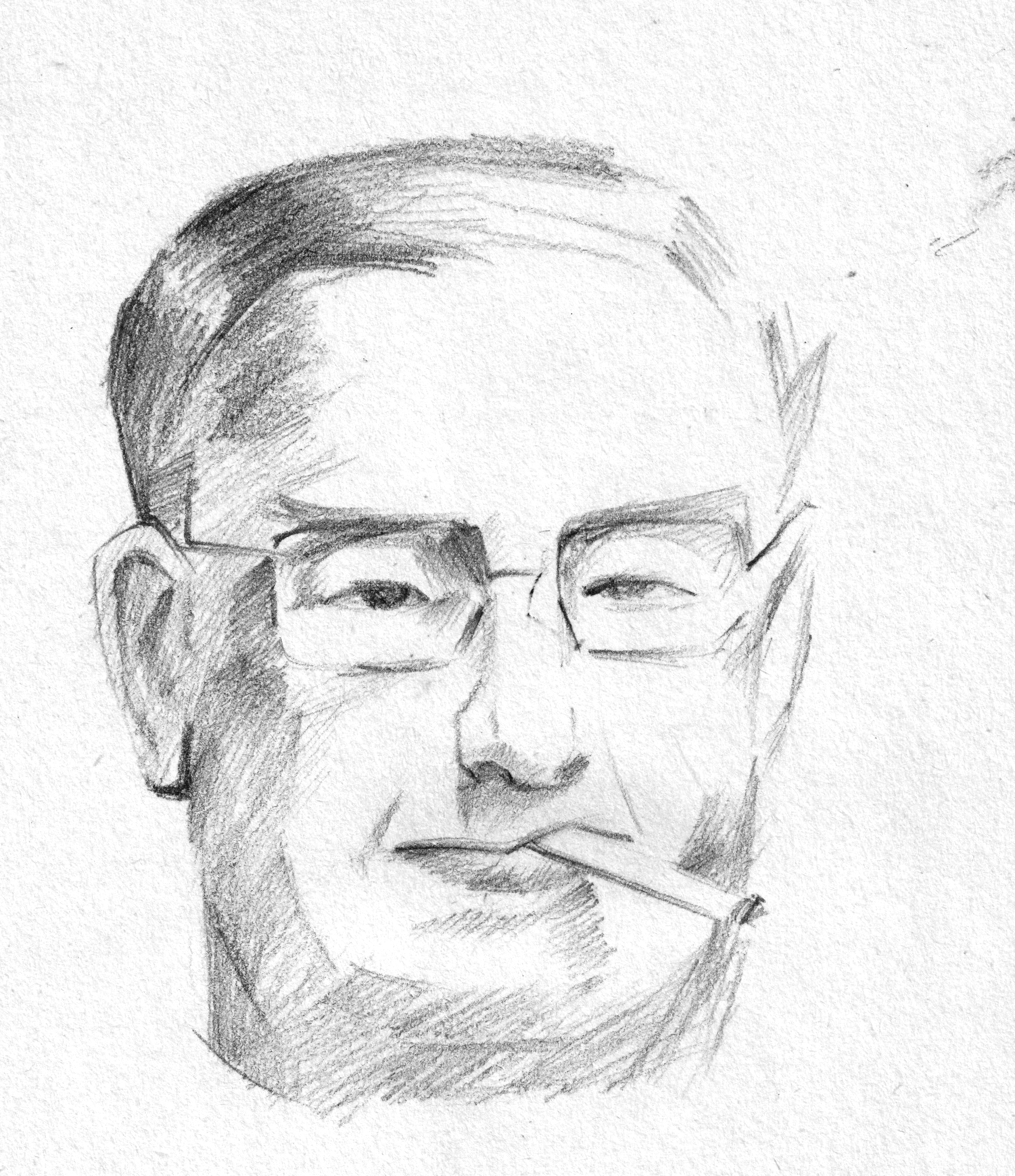
I tried copying the sketches in the book
The only few drawbacks of the book are it don’t have any exercise or suggestion about practices and it was written in 50s language, which is lengthy and flattering for me. However, I can still feel the warmth and efforts of Andrew Loomis in his first few words opening the books “Now let’s get to work in earnest”.
The first course
Later, when I took the course “Deconstructed: Drawing People” by Viktor Kalvachev, he shared his method learned from a criminology professor to recognize faces based on basic shapes. Actually, you can see that section free on Schoolism channel.
Together, I found it easier to draw faces from images and came up with my own design for commissions.
A 60-day portrait painting challenge
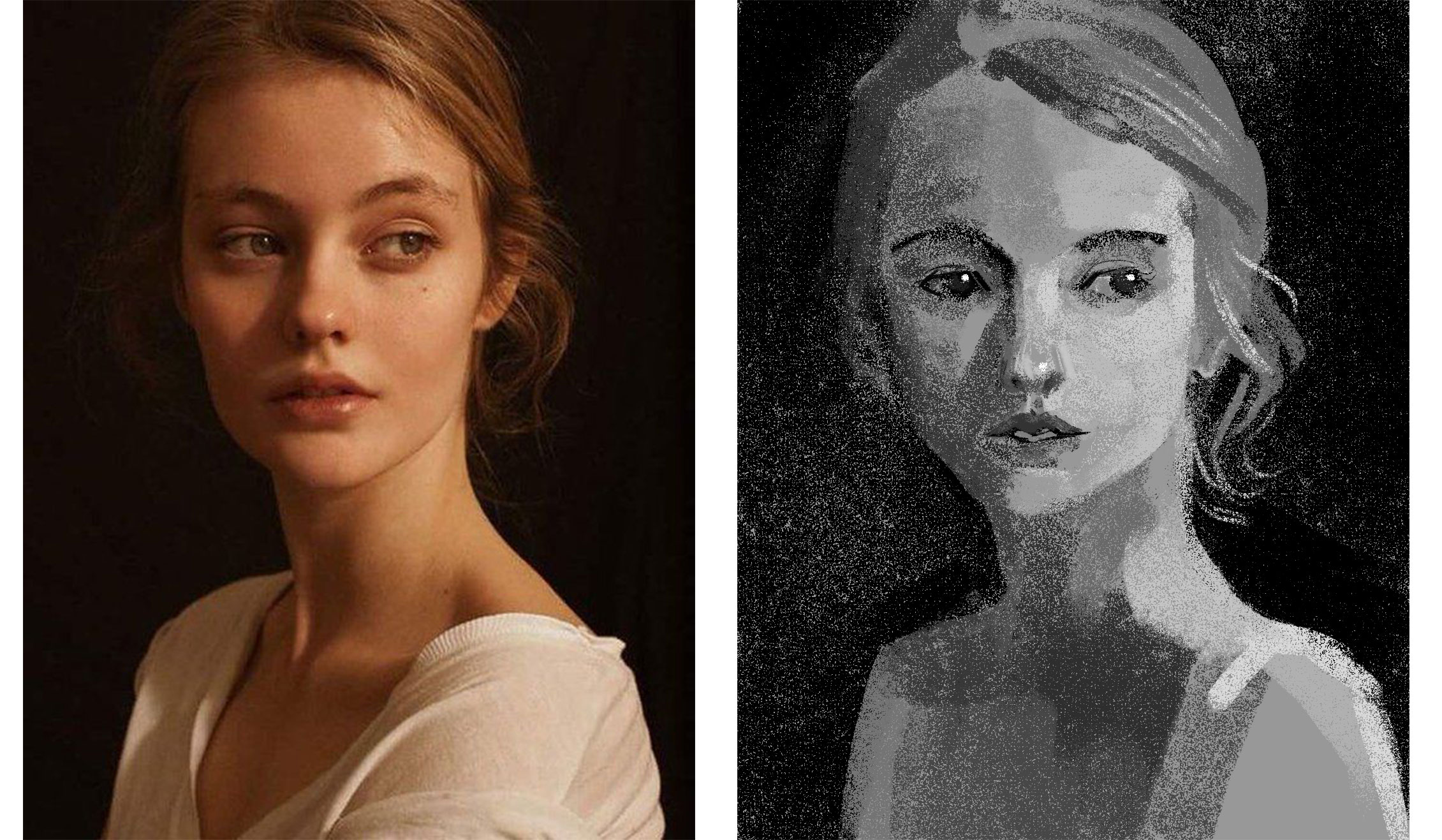
Feeling okay with my line drawing/sketch, I start to look for more ways to paint the face. There are realistic approach and stylish approach, color and lighting setup are also considered. I want a bit of fun so I try the Digital Painting Workout by Woulter Tulp (also a course on Schoolism). The course’s main purpose was to practice digital painting, yet the instructor prioritized portraits because they are subjects that can be tackled in 30 minutes or so. For each day in 2 months, I spared 30-40 minutes to paint an image based on the instructor’s guidance. Each painting focus on one goal only: value or color or rendering, etc.
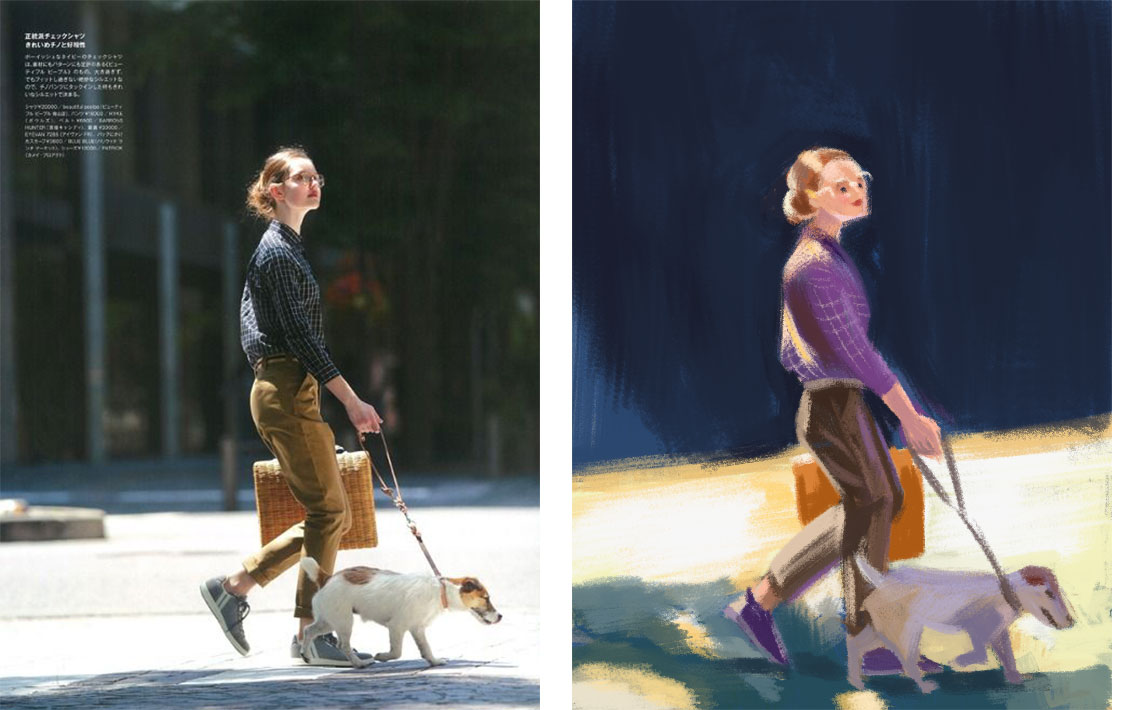
The useful side of this workout is that it allows me to learn painting both way: realistically and stylishly. I learned that there’s endless possibilities about painting a person, the important point is to paint how I feel about the person.
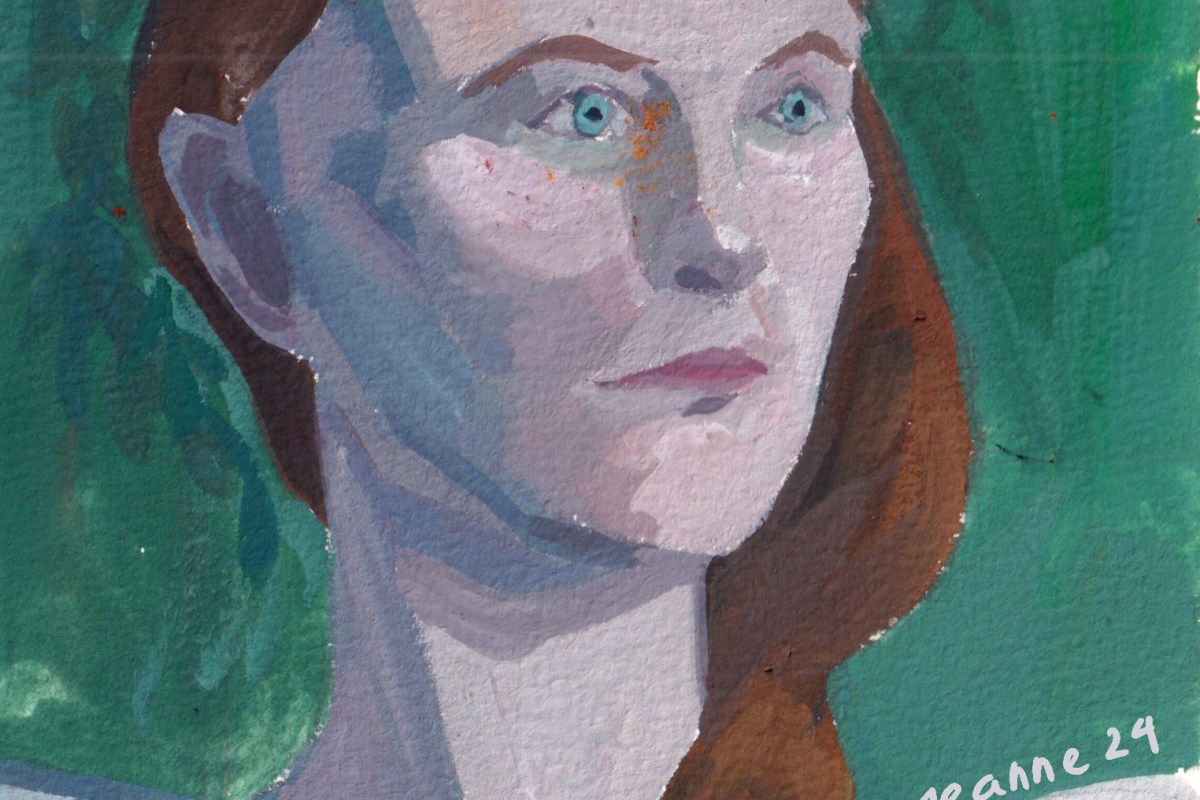
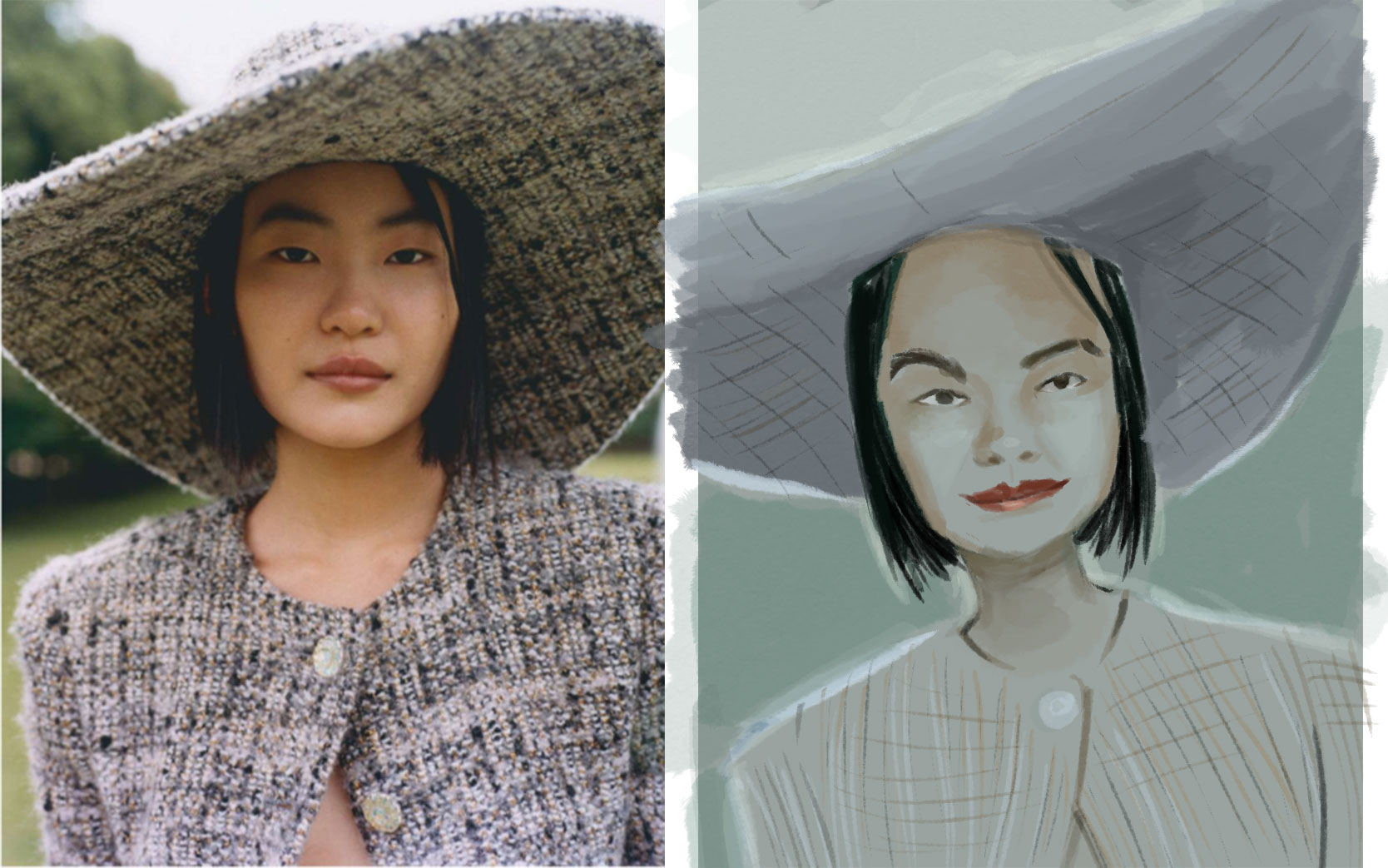
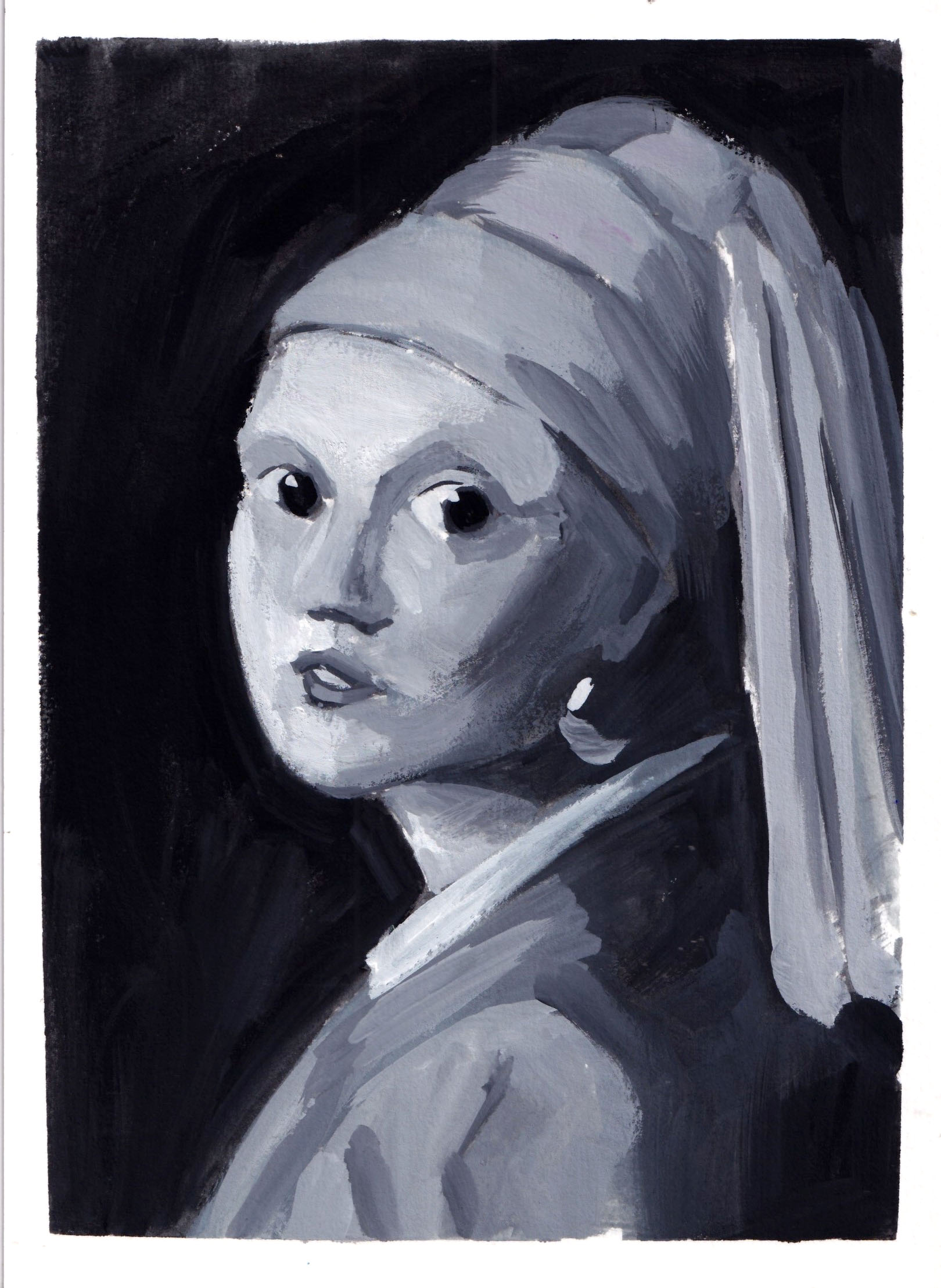
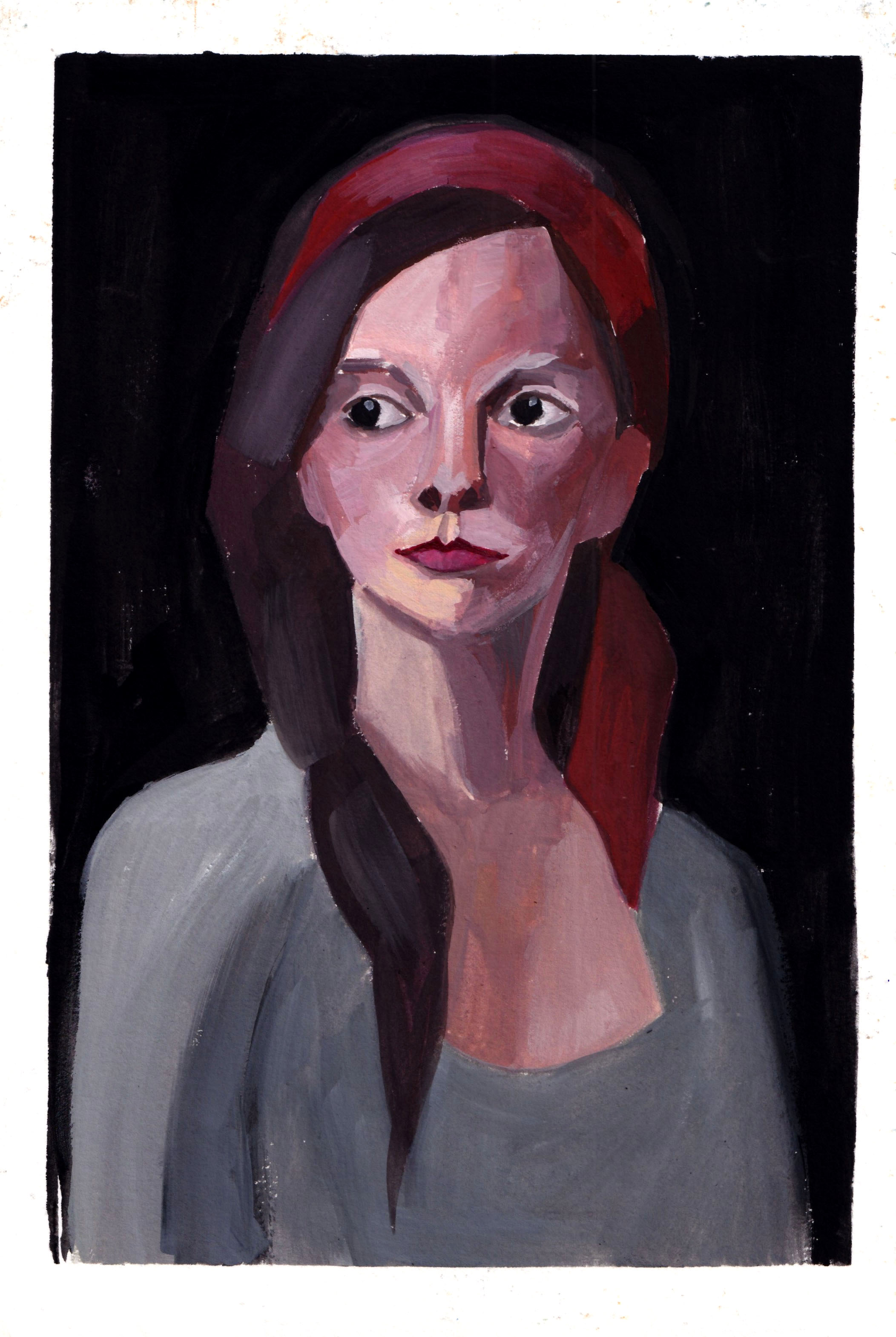
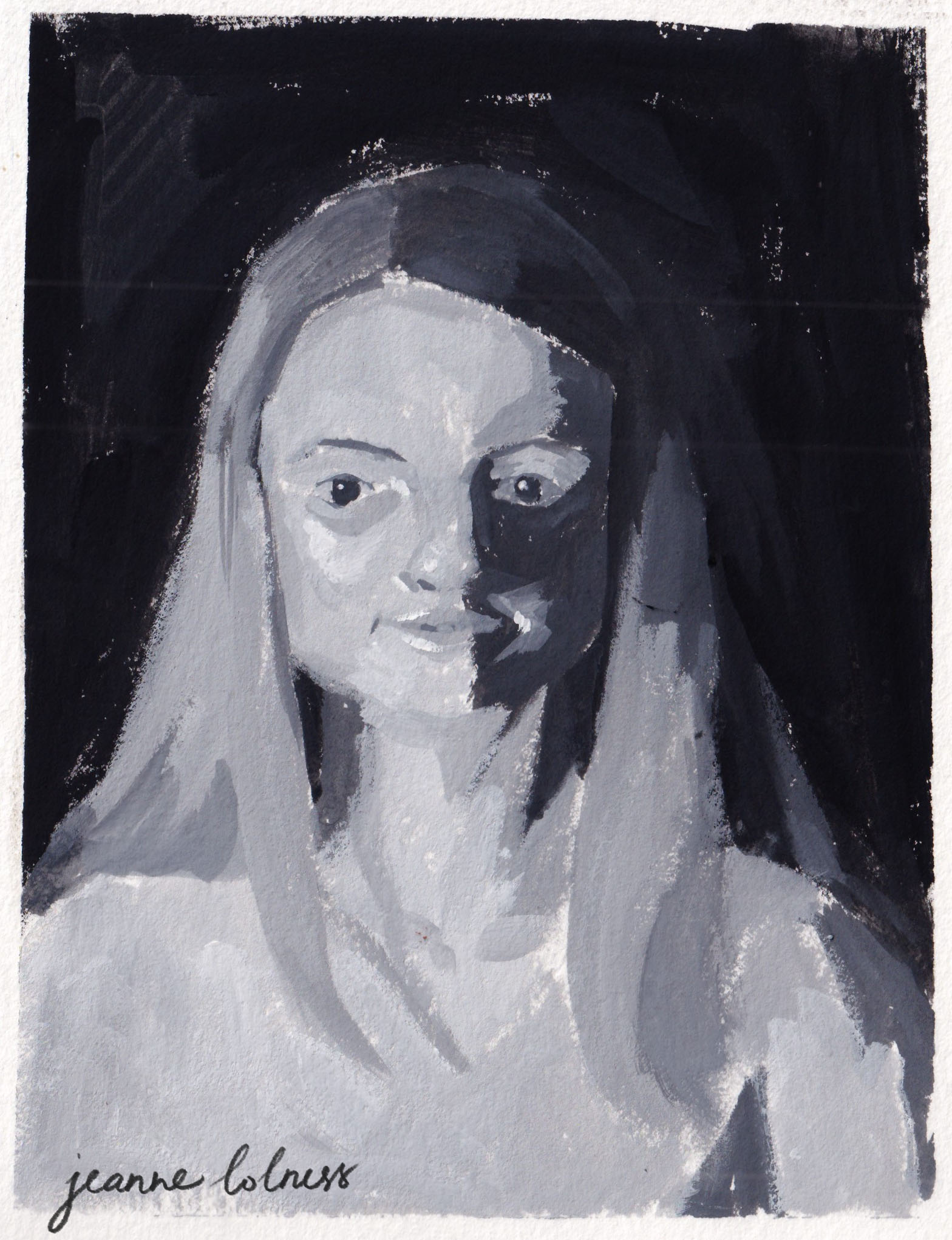
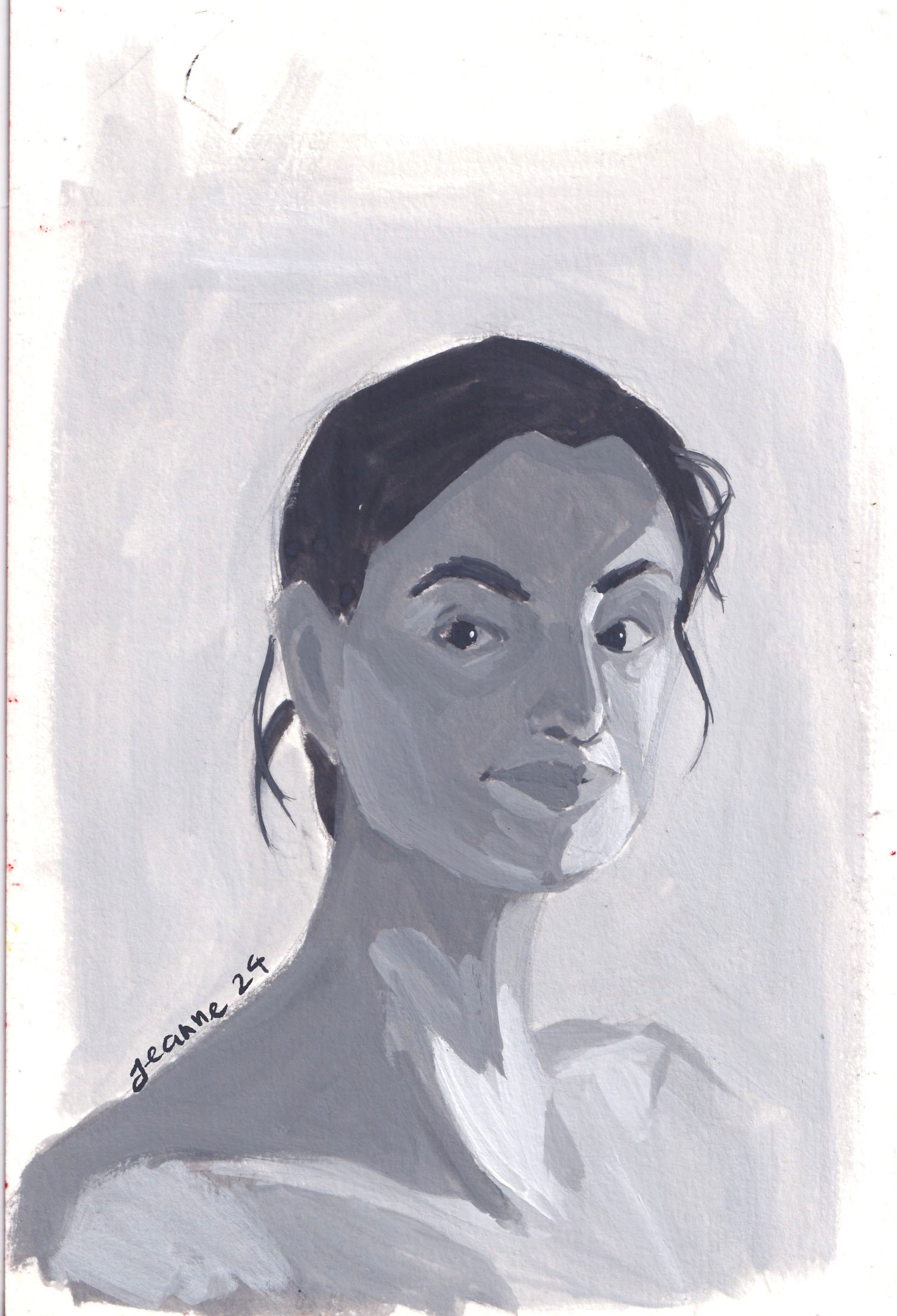
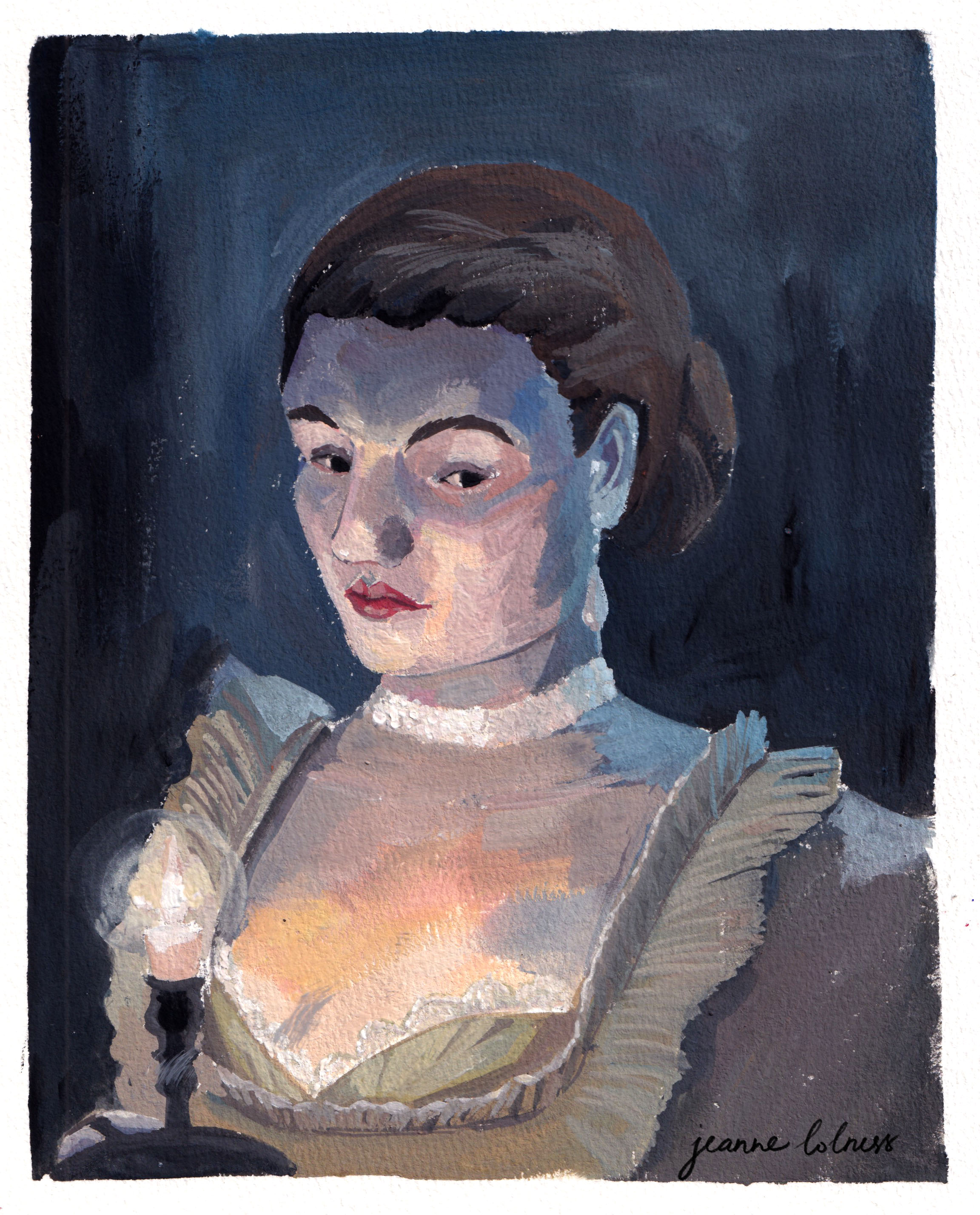
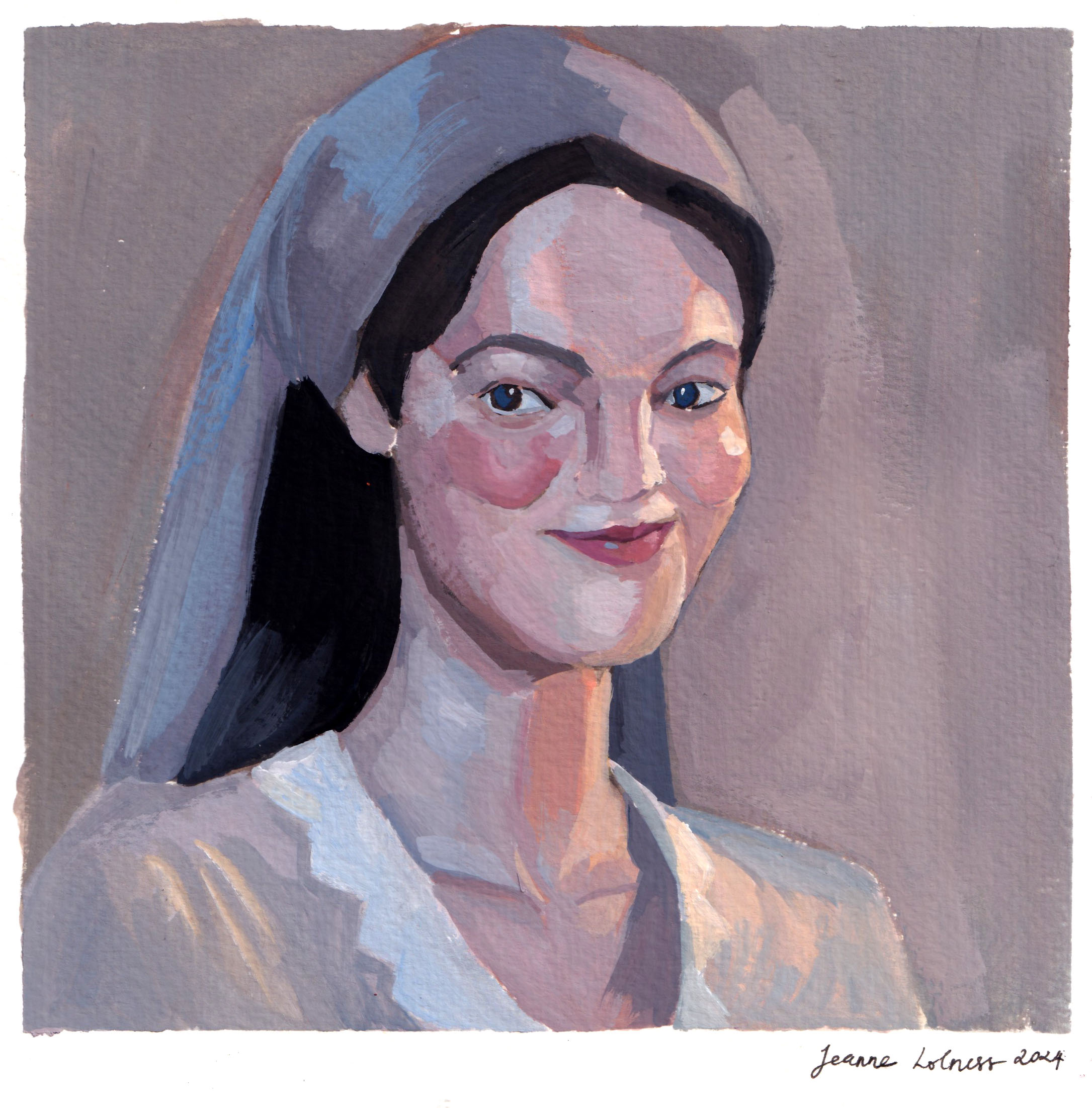
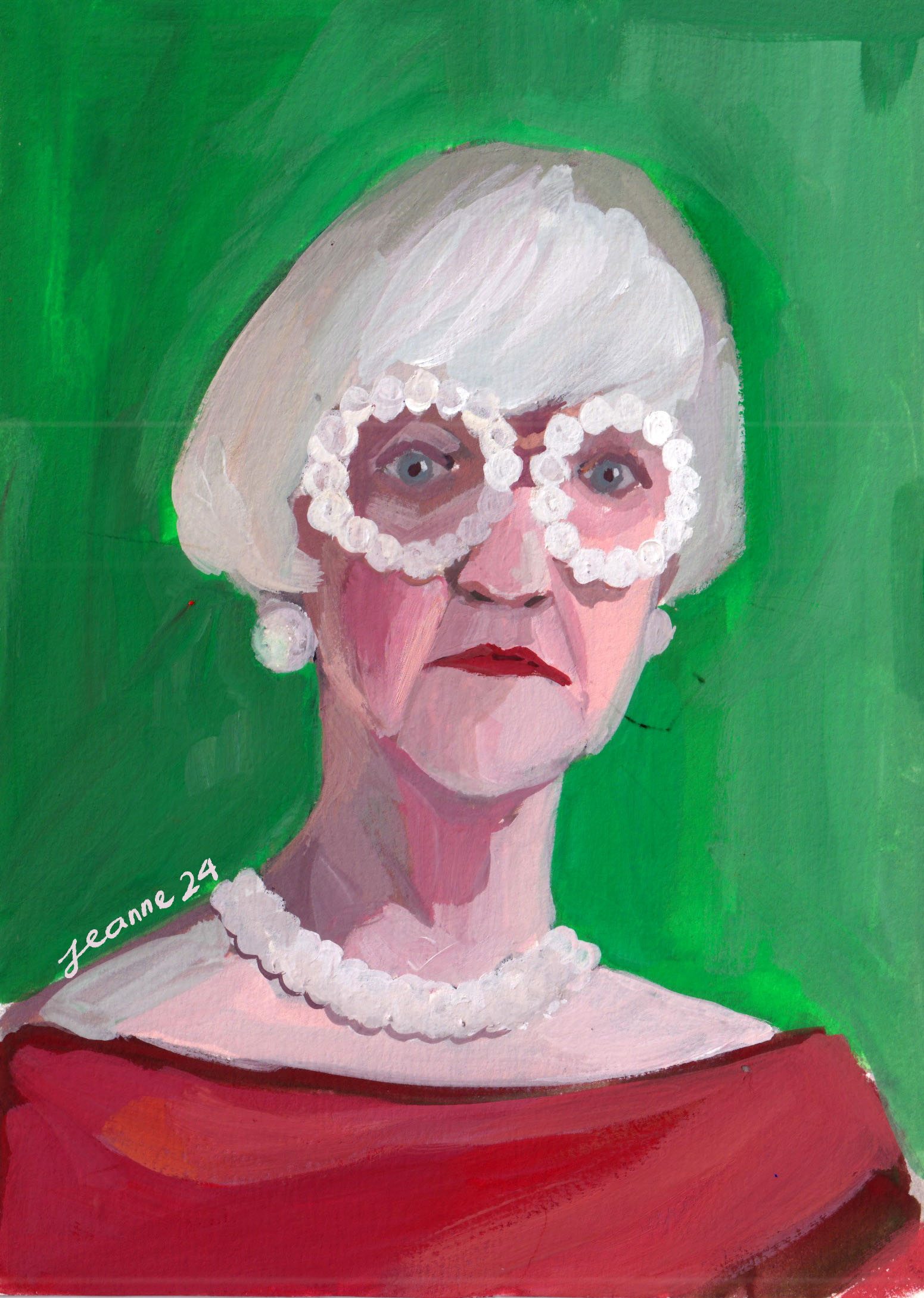
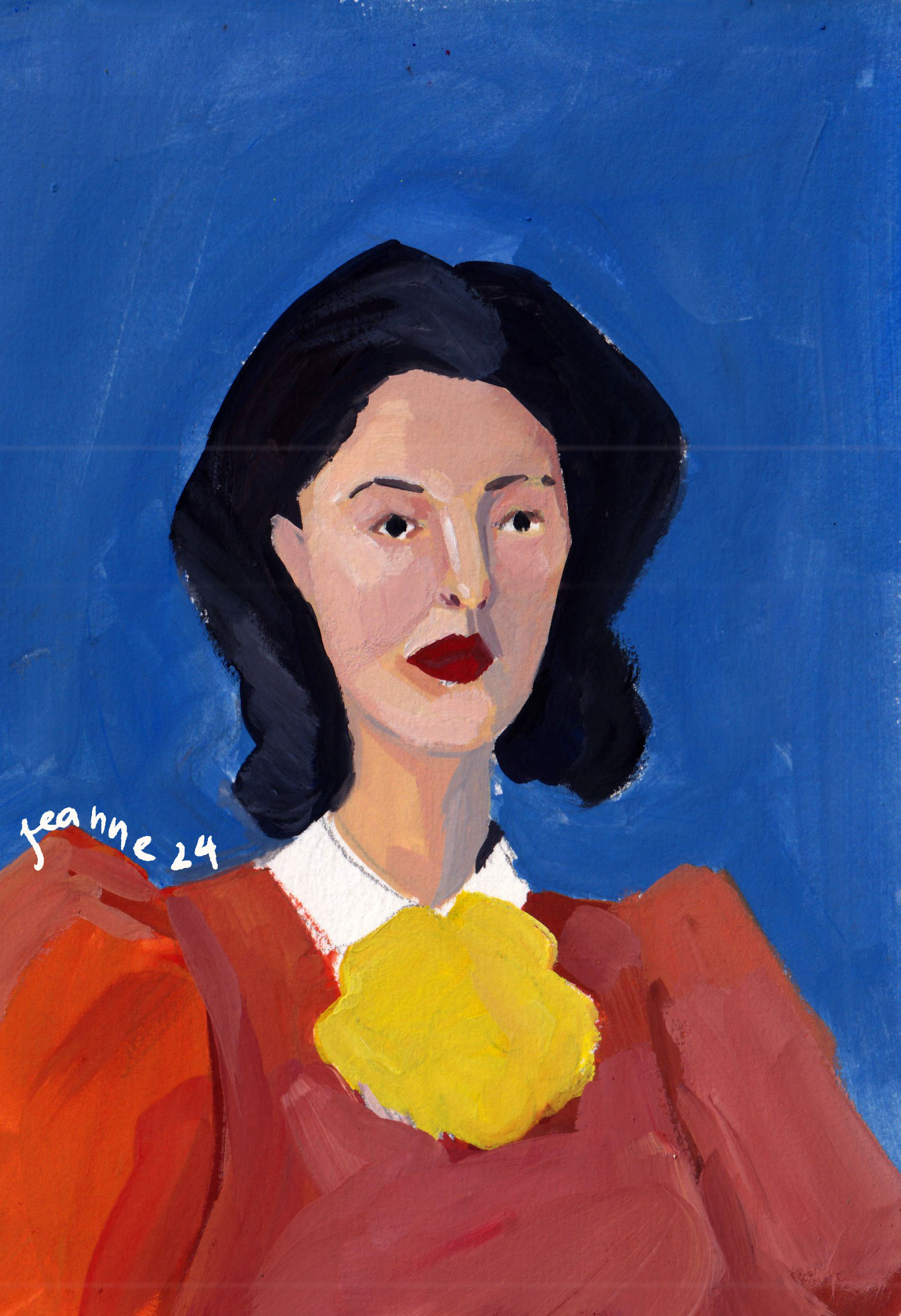
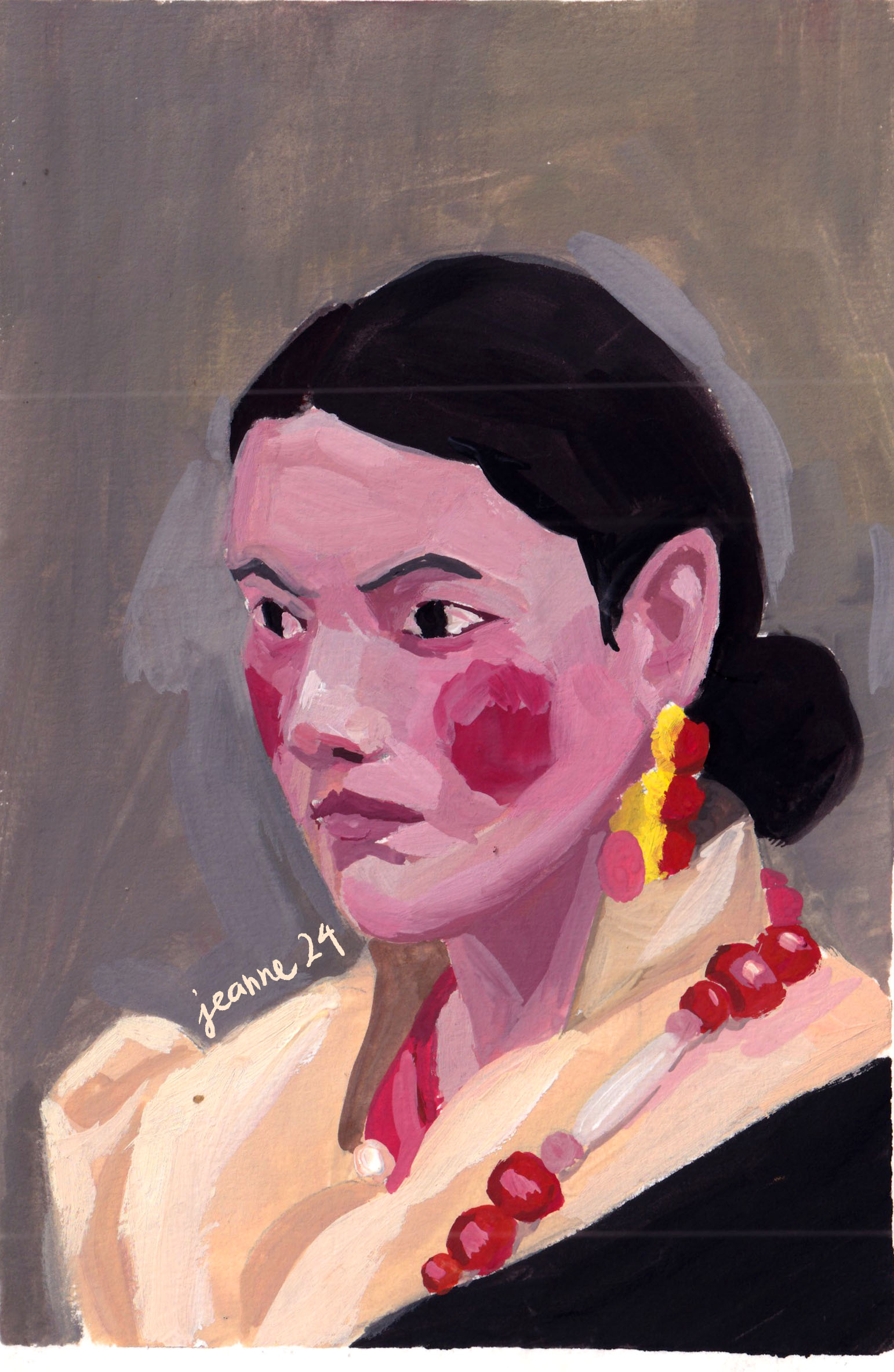
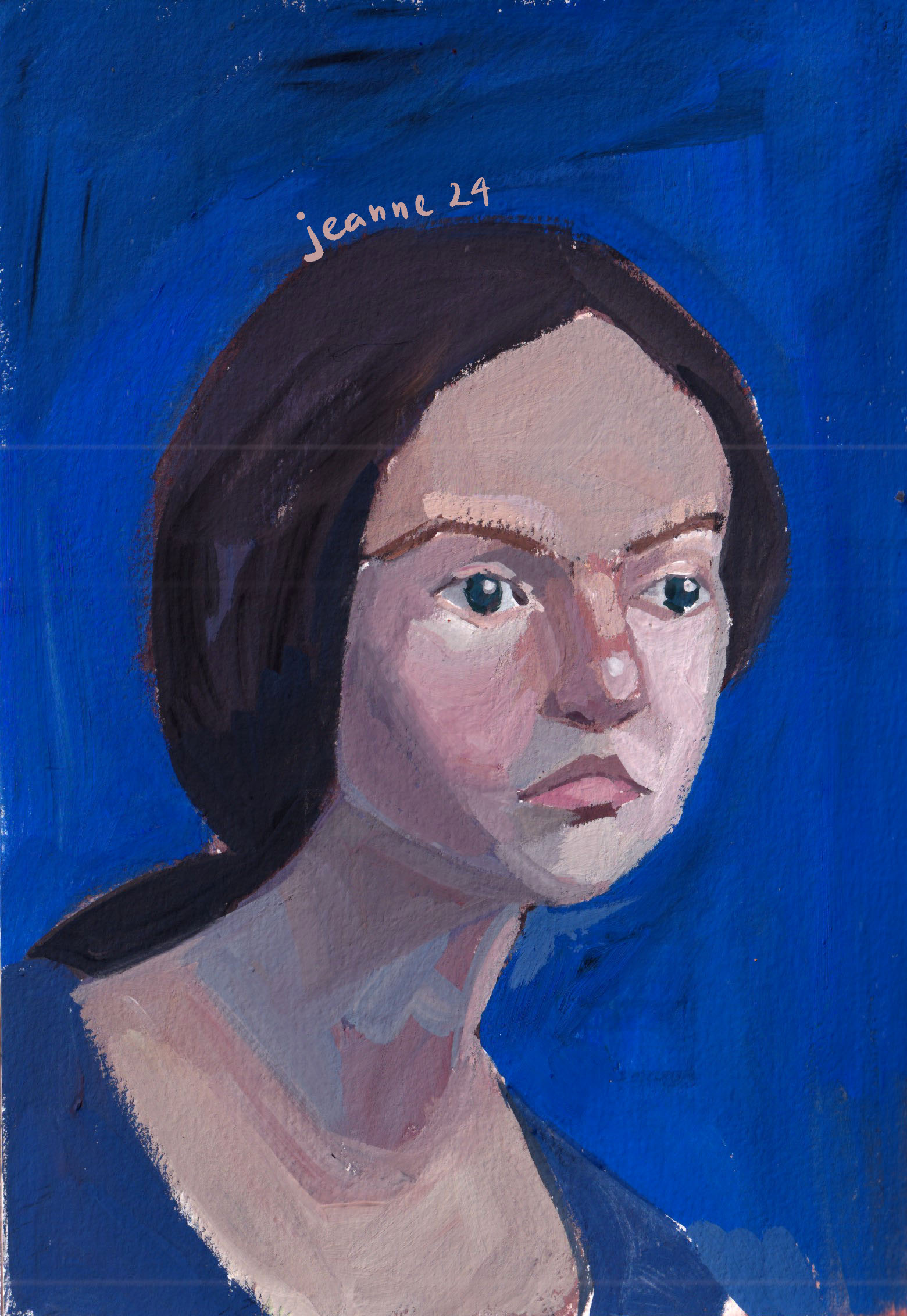
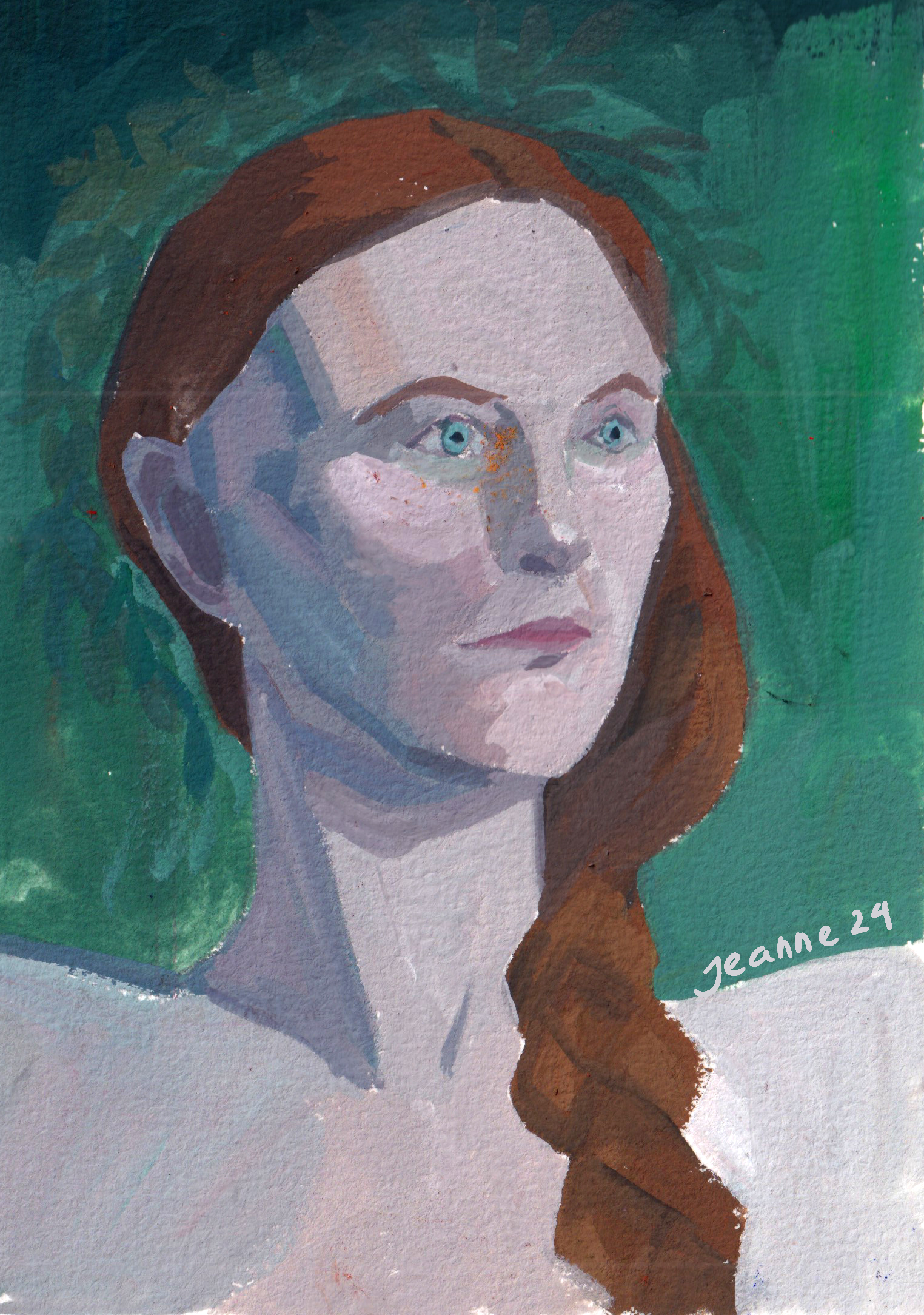
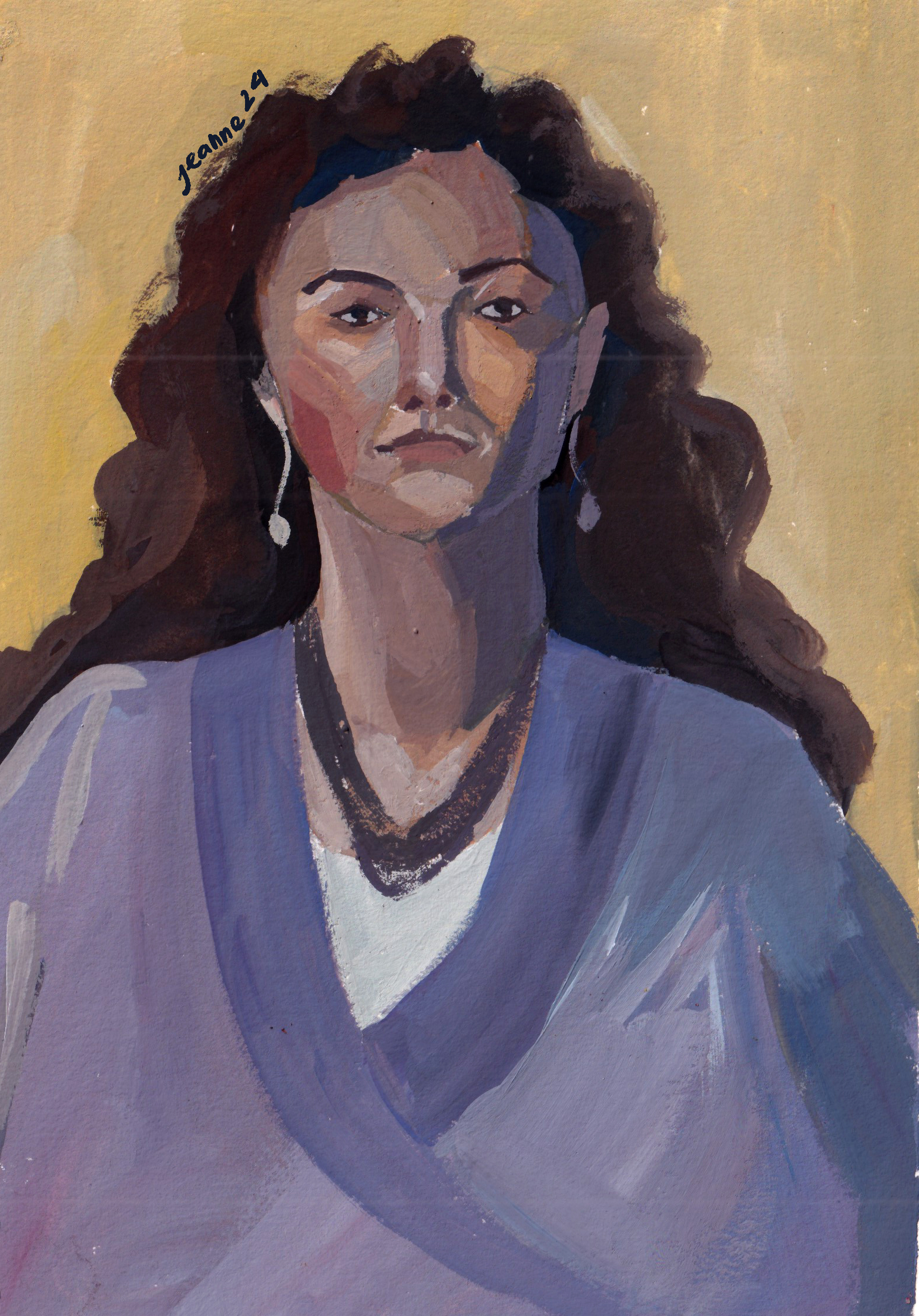
The most recent course I took is about color, and the subjects used were also portraits. This time I used gouache for the whole course, trying to mix color traditionally. The side effect of this course is that my portrait skill improved a lot as well.
Credit: @Lee Avision/ Trevillion ImageActress Pınar Deniz
Model: Jessica from Croquis CafePhotographs by Paolo Verzone, Egyptologist Monica Hanna, from National Geographic
These paintings aren’t used for commercial purposes, just for education and promotion only.
I aim to use realistically but not in order to copy the image exactly, the important is to paint how I feel about the model, how I think about her, what’s the real or the imagined story I could tell with her eyes, her skin, etc.
What’s next?
I want to learn more about human expressions and experiment with specific lighting, especially dramatic/ theatrical set up to tell a story. And I will need to revisit the face structure to keep my knowledge fresh, but with a different approach/method to keep the art as fun as I originally started it.



 Jeanne Lolness