Painting Huế: Nostalgia and Summer

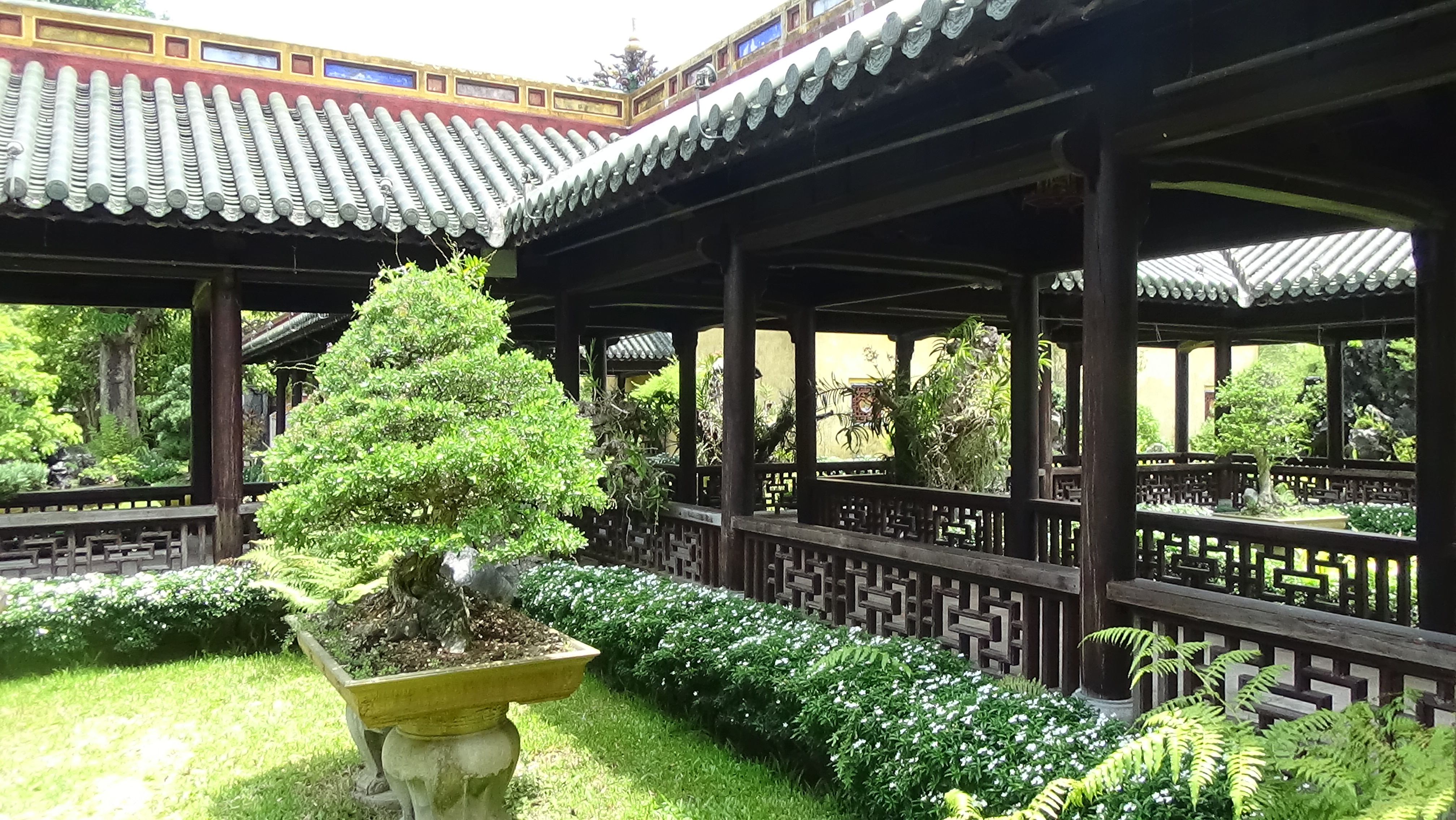
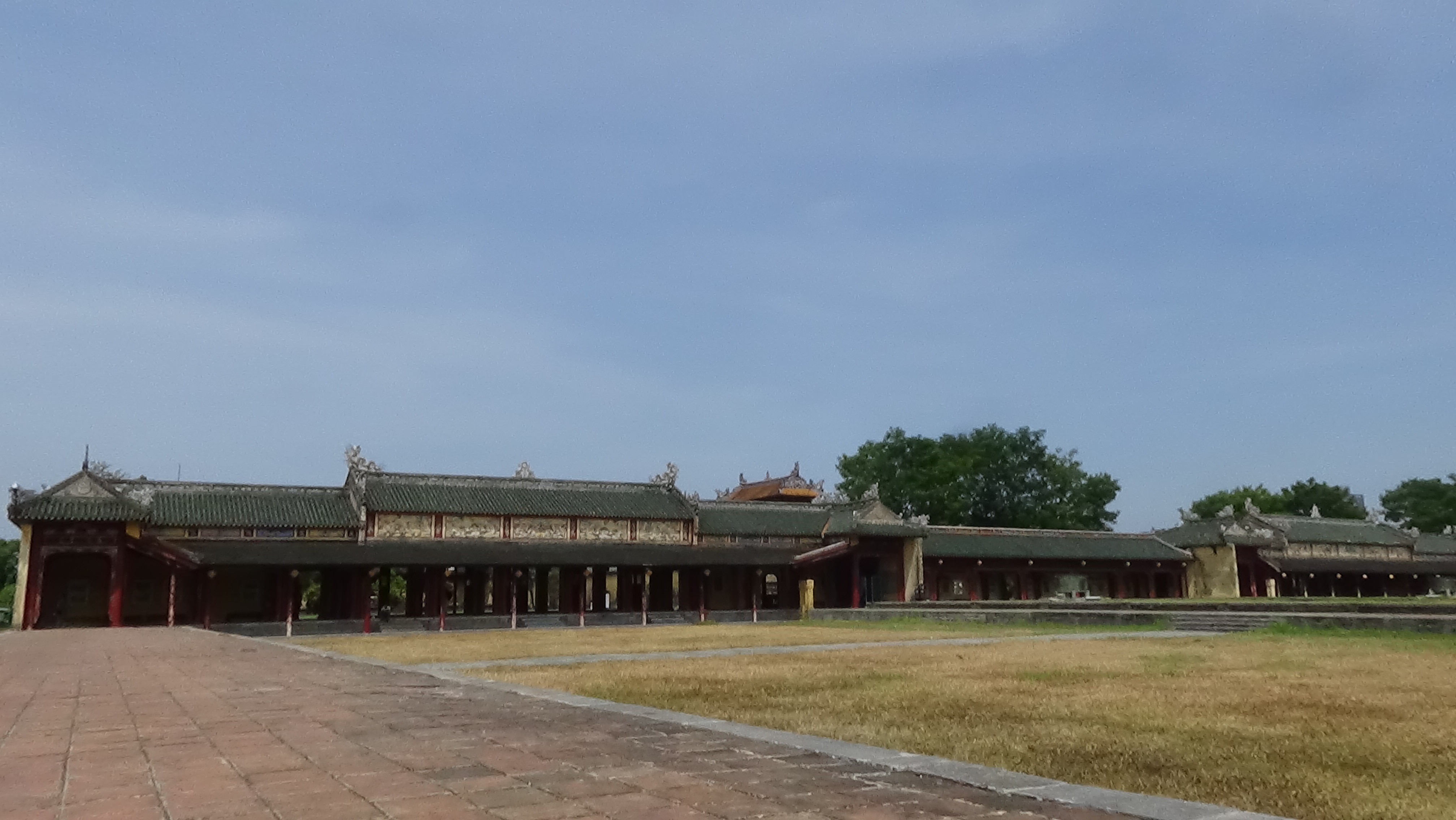
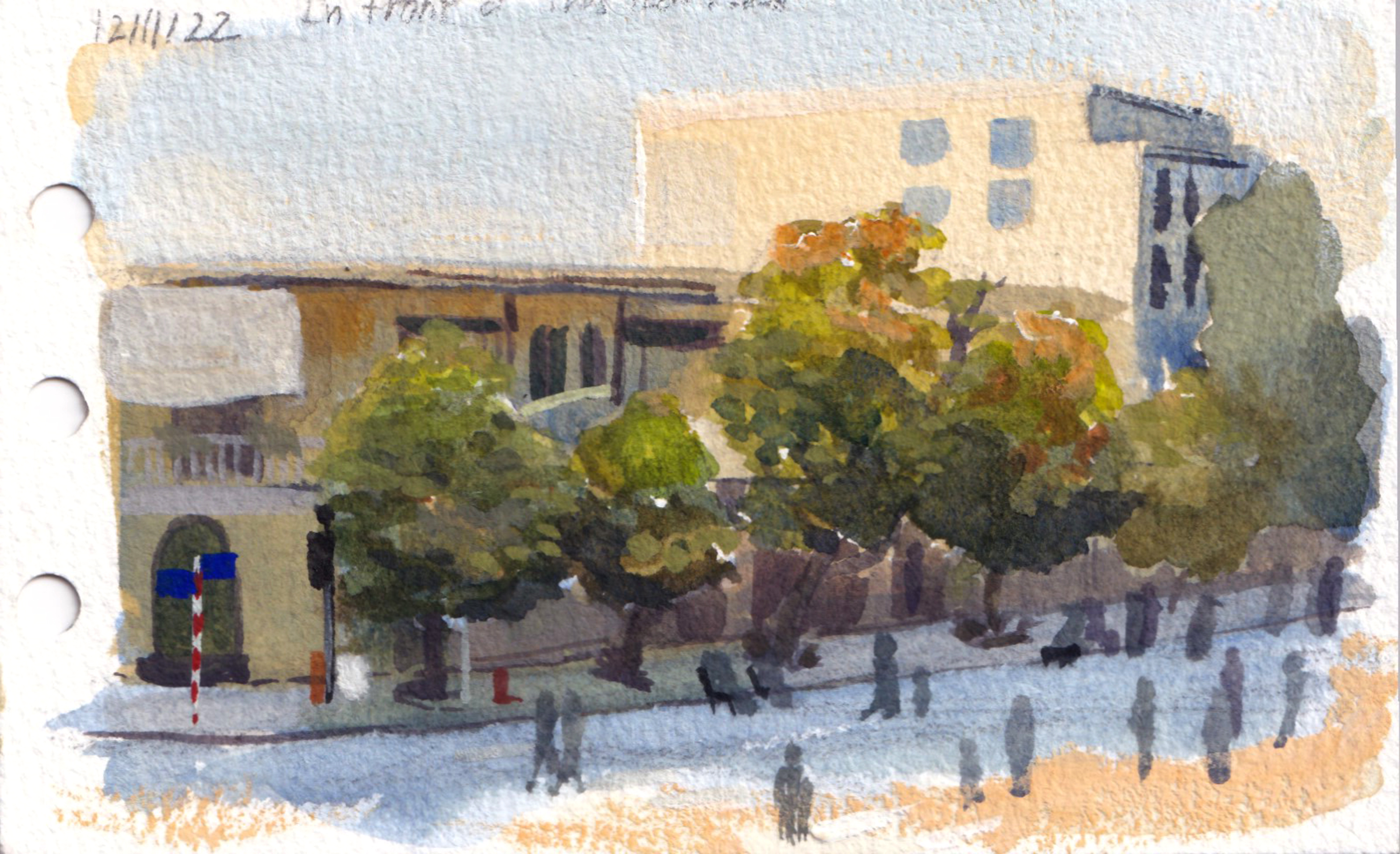
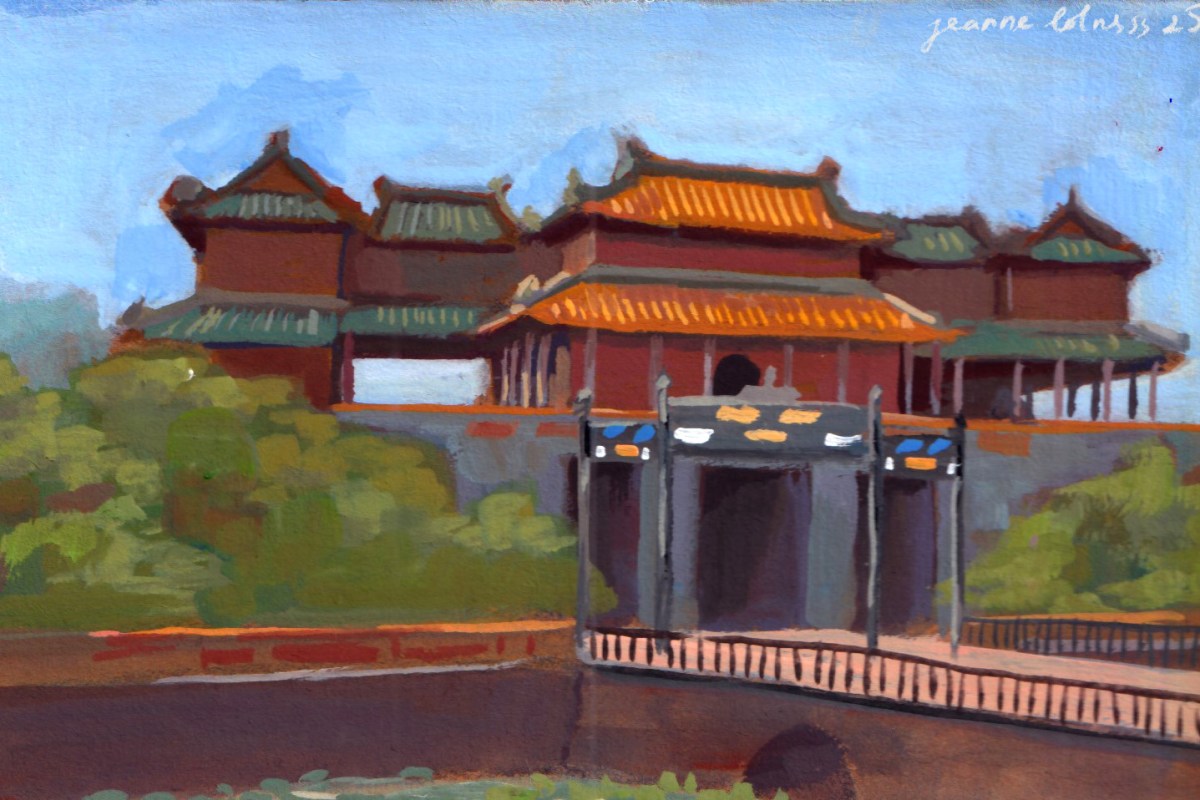
In the summer of 2024, I spent two sunny days exploring Huế – the place holding memories of a bygone era: Nguyễn dynasty. It was the final medieval dynasty before Vietnam became a colony of France and experienced warfare to the extreme in WW1, 2 and the Cold War.

Despite bombings and destruction, Huế and the Imperial City still maintained a variety of structures and monuments with their intricate details.

I had been longing to visit Huế for a long time and finally I got to enjoy this little peaceful city.

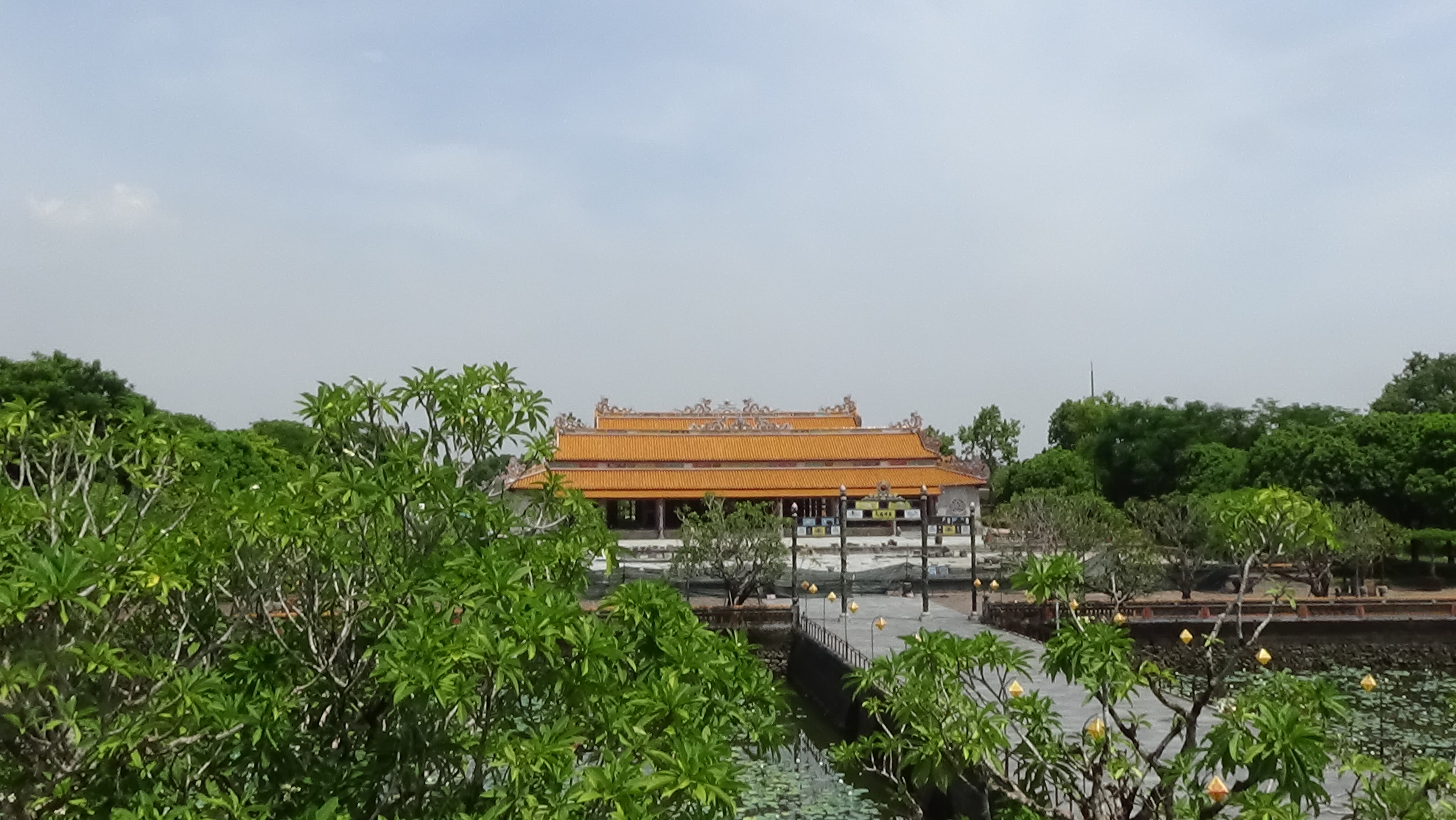
Nhật Thành Lâu
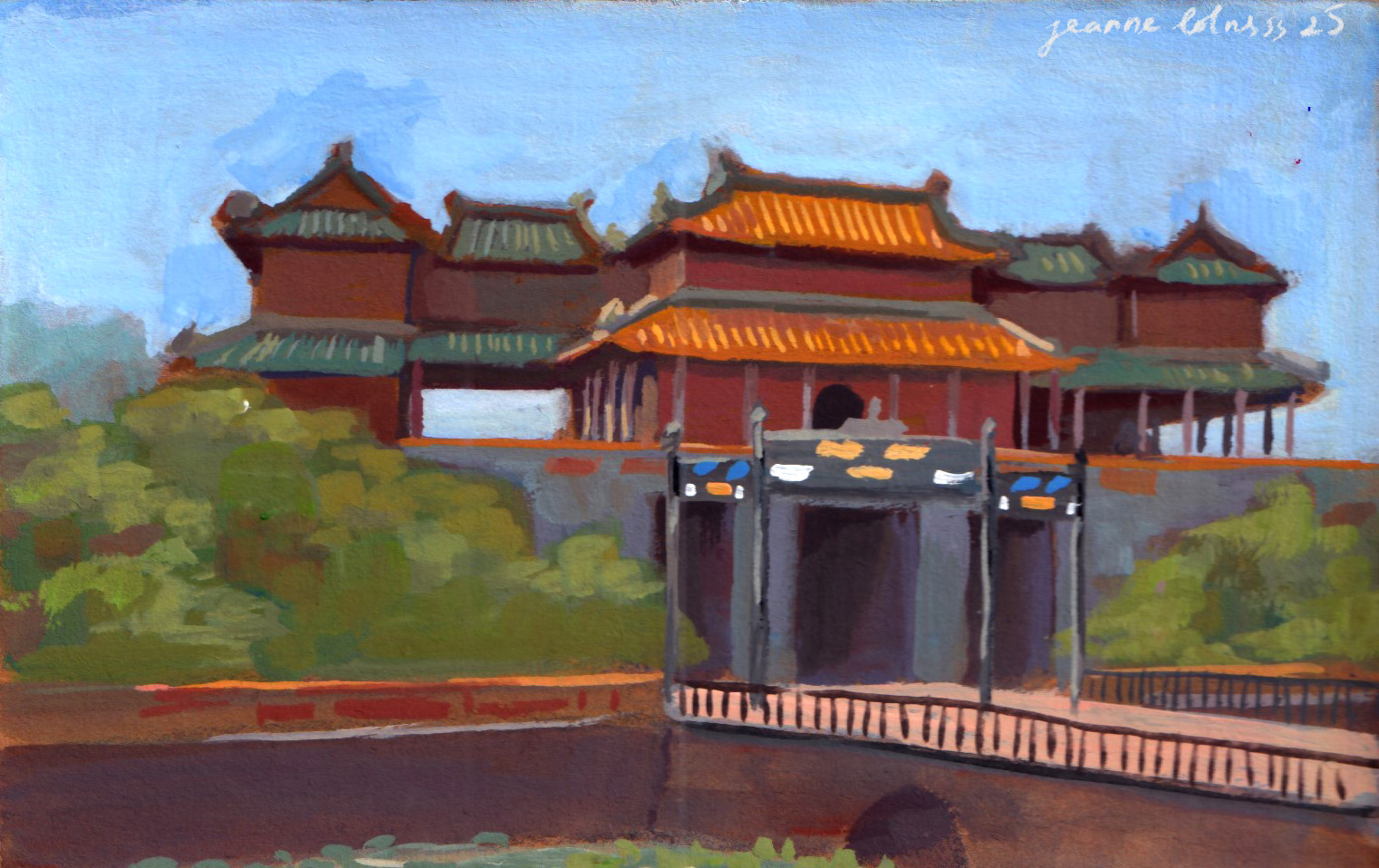
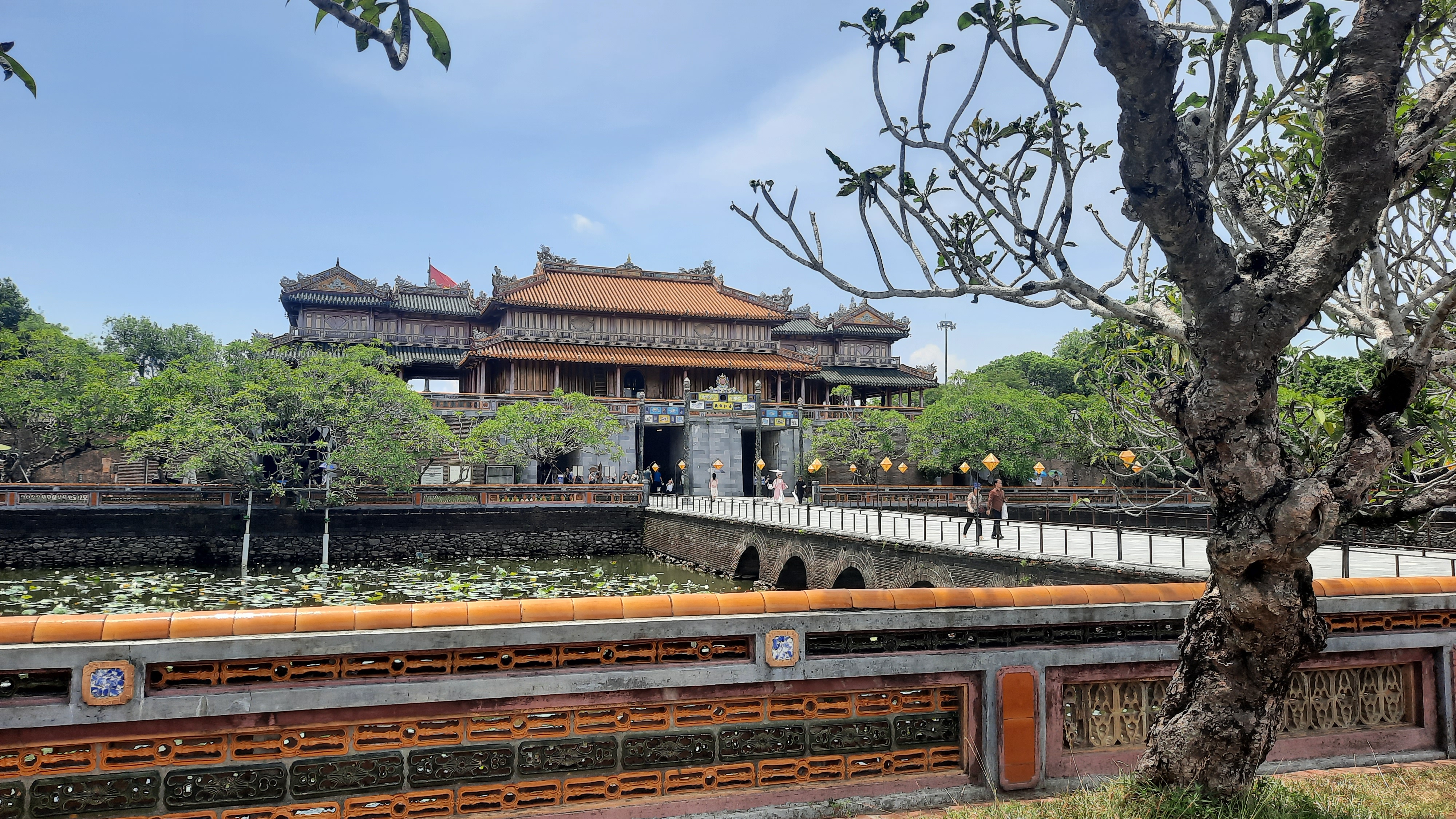
Cổng Ngọ Môn

It was a sunny and hot day, and there were swarms of people visiting the citadel: foreigners, local people, Vietnamese travelers. The entrance (Cổng Ngọ Môn) was the most crowded spot, afterwards, people started wandering to different areas. It was understandable, because the entrance was built to impress anyone coming, foreshadowing normal people to pay respect to the king. My little painting can’t capture all the details of the entrance, many decorative elements were made by skilled craftsmen from all across Vietnam.
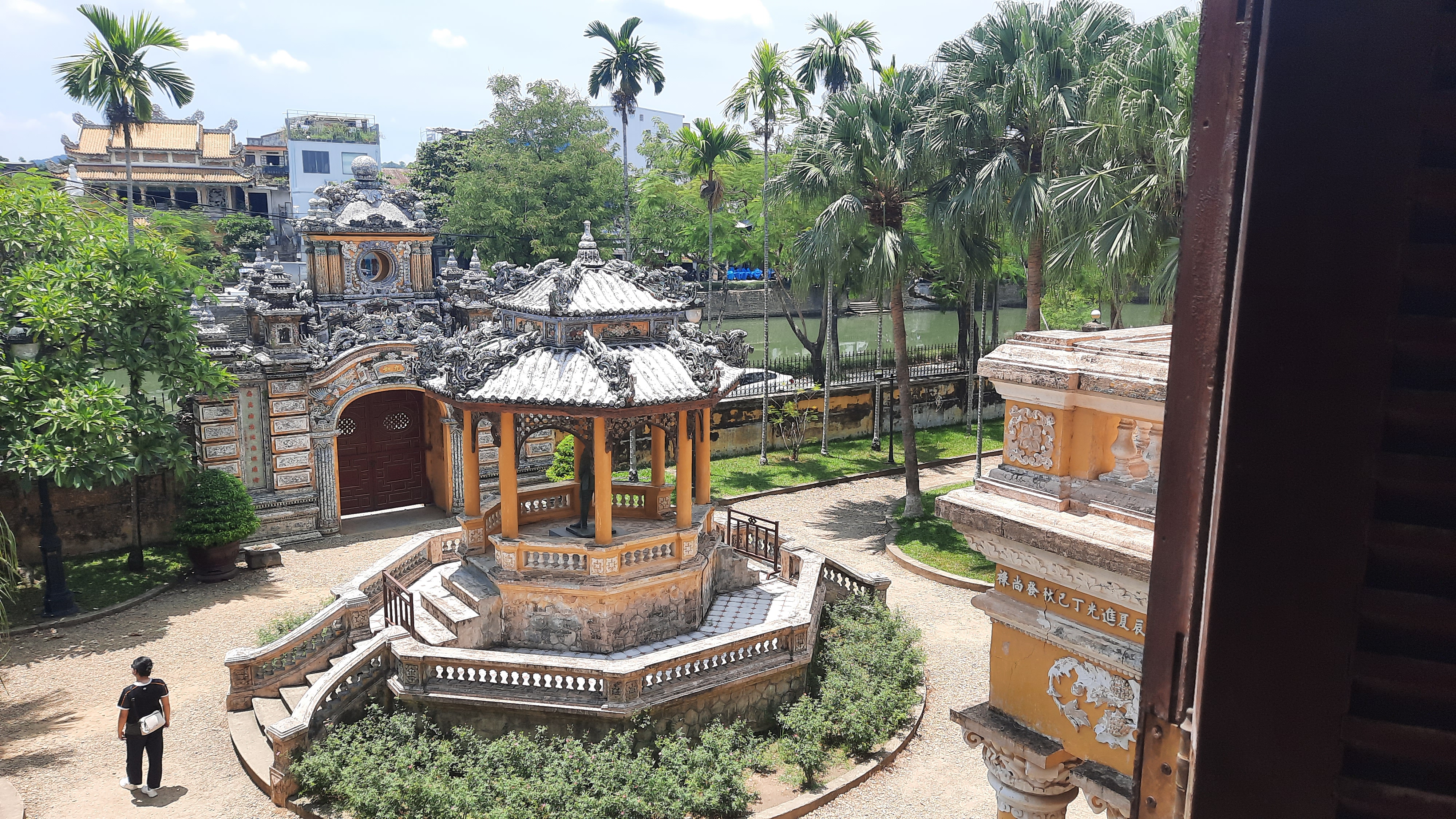
Phước Thọ Am
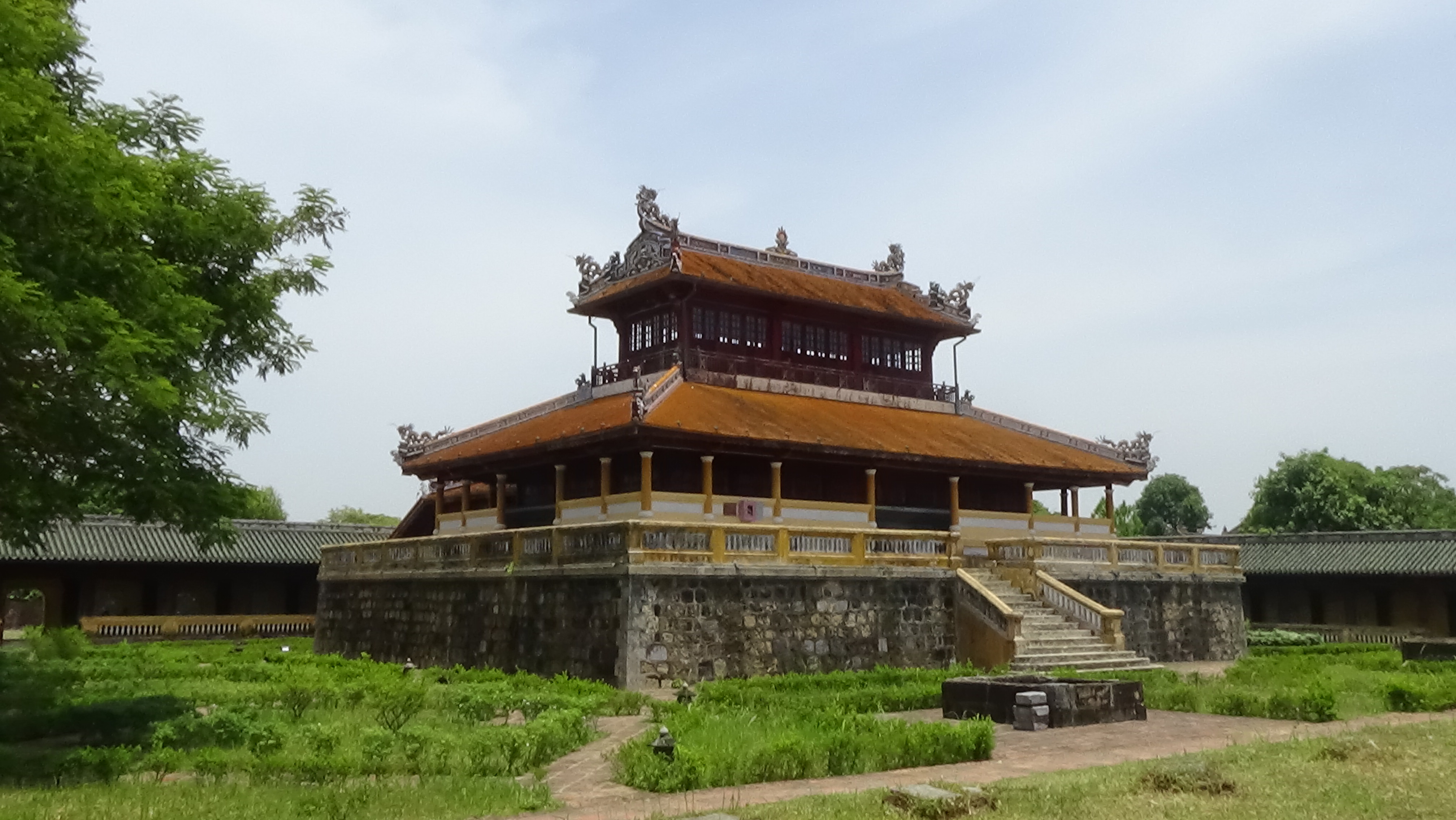
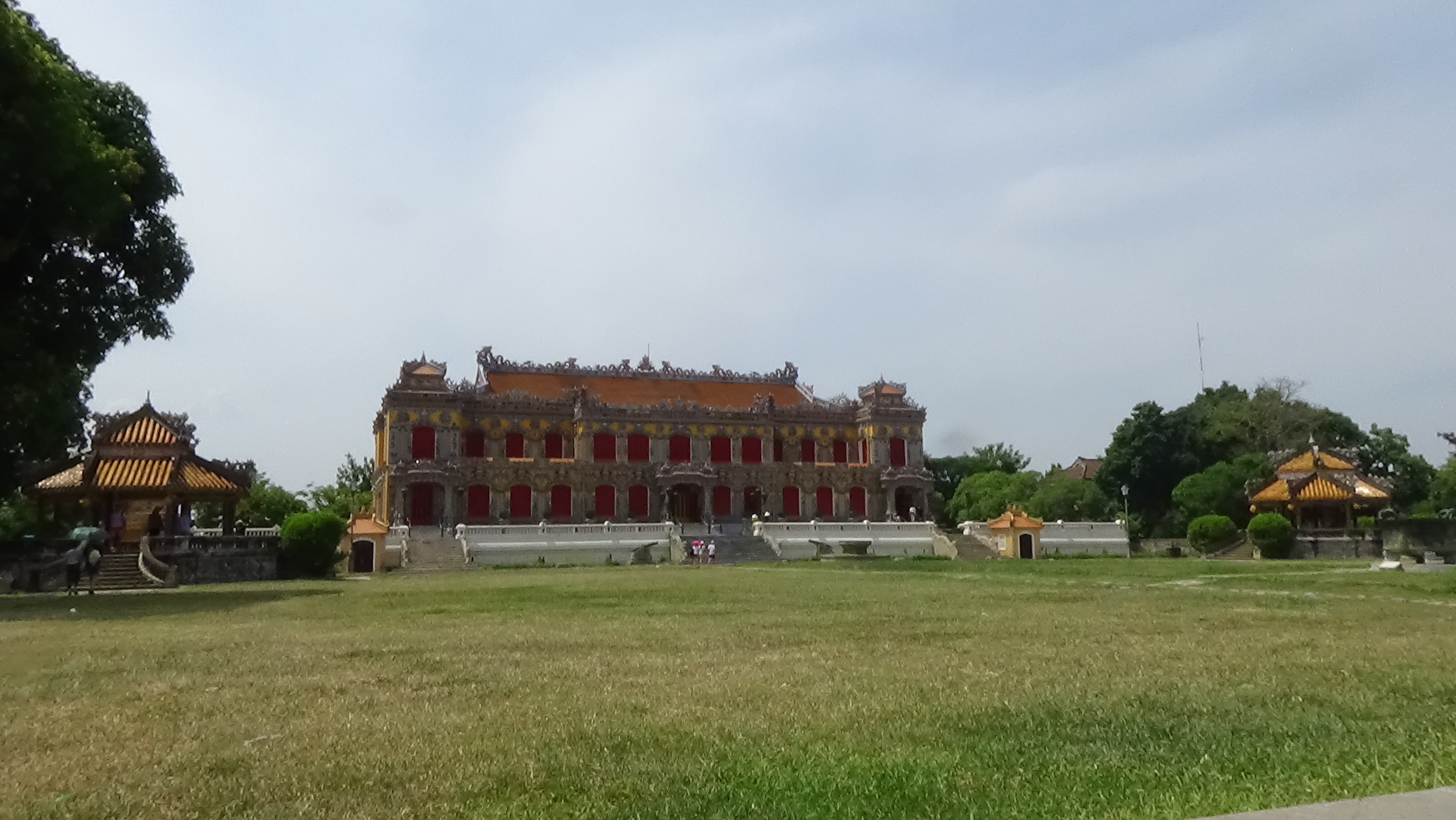
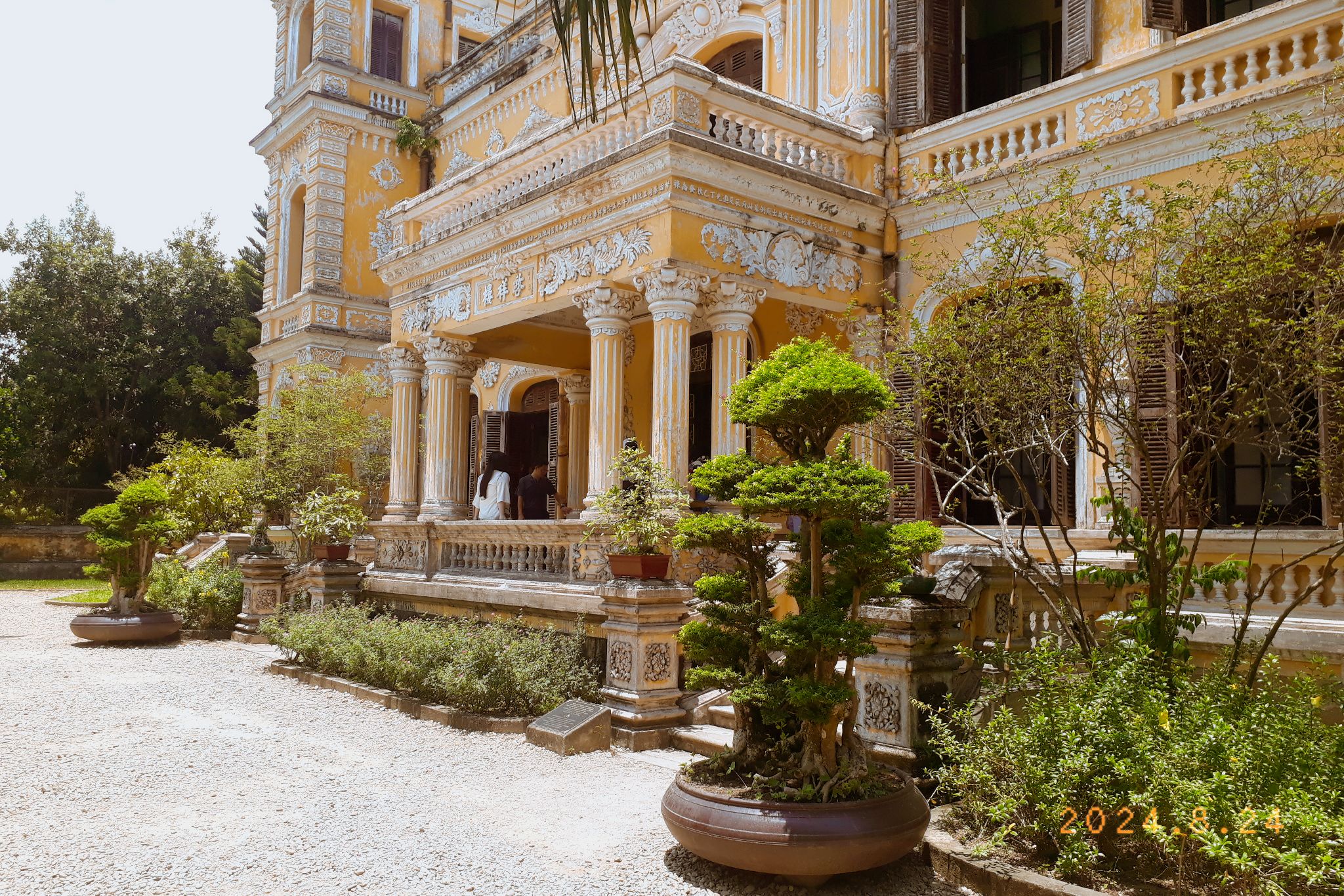
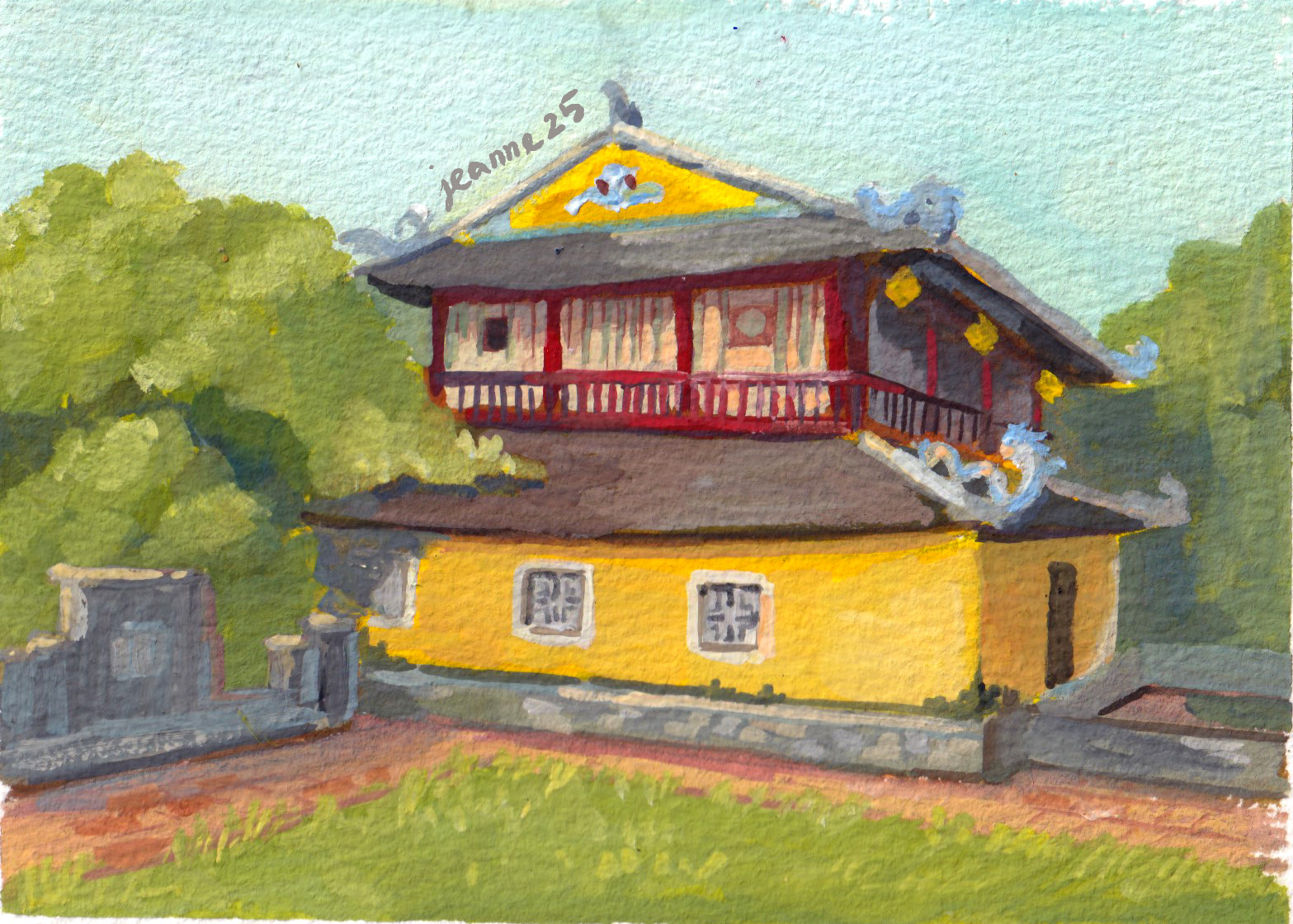
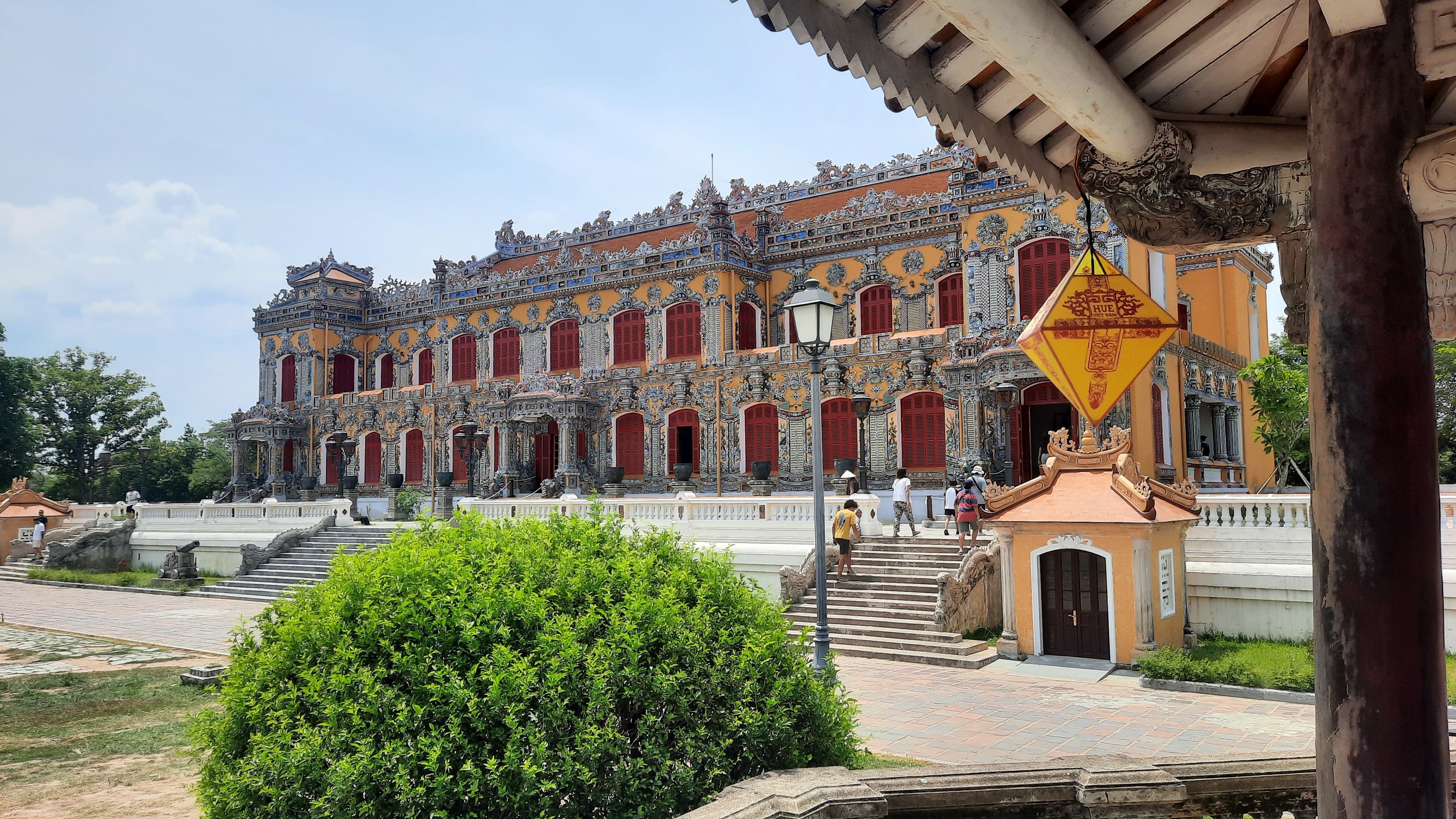
Lầu Tịnh Minh

These two places (Phước Thọ Am, Lầu Tịnh Minh) were built much later, reflecting the changes coming from the outer world. Lầu Tịnh Minh was built in 1927, featuring a higher ceiling, a larger balcony and many other elements from Western, particularly French architecture; but still keeping the traditional roof and decorative tiles of Vietnam.
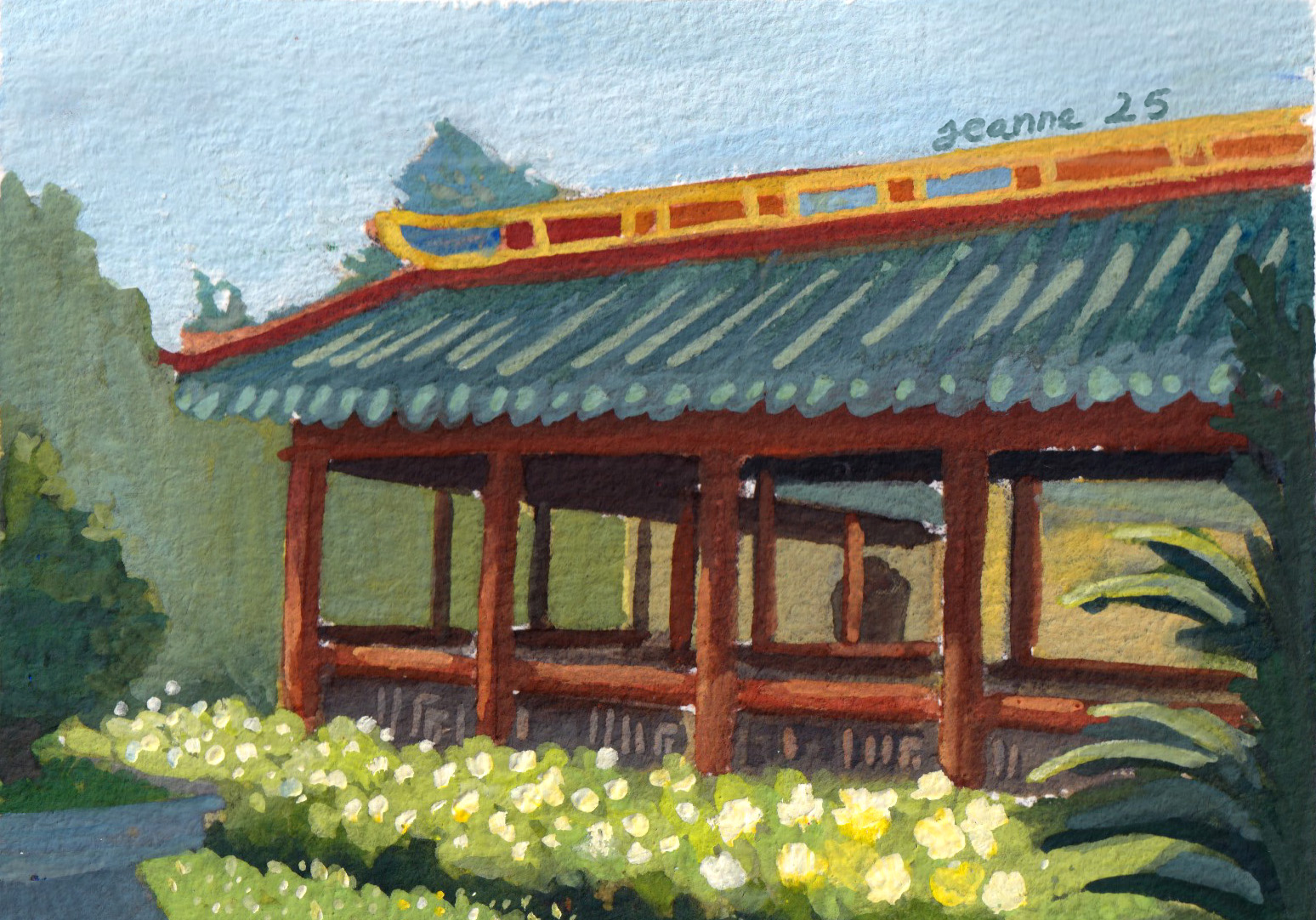
There are many places that I haven’t painted and I’m still excited to paint them, even after a year. There are still so many things I want to learn about Hue architecture and history.

You can use some of my images below to paint if you are interested in Vietnamese medieval architecture! Share with me if you can.
2025 Plein Air Challenge review: Learning to love life as it is

I have always wanted to join the Plein Air Challenge held by the Warrior Painters, but never found the time in the past years.

This year, I had more free time due to a sudden decline in commission requests, possibly due to the introduction of AI to Fiverr. Instead of jumping into a new course, I decided it’s time to join the challenge, or just tried to see how far I could go.

The challenge was a good distraction in this transitional period. Fiverr has “encouraged” creatives to allow AI to create free or cheaper artworks for users, which forced me to accept how sloppy my art career is. While I still managed to work with long-term clients or projects to support myself in this period, I felt an existential crisis slowly burning myself out. On some days, when waking up, I was hit by questions such as “What am I doing here? Are my goals realistic or achievable enough? Am I feeling and doing like this forever? …”. The challenge helped me refocus my attention, simply speaking, I know today I need to finish by #13 painting because today is 13th.

The challenge also introduced me to a few more talented background, concept and landscape painters. Some are Giacomo Sardelli , Lex , Ferrari Duanghathai, and more; it ignites a bit of hope in me about posting arts online. I have always struggled to stick to a regular schedule of posting; and now that I’ve accepted it, I just post whatever I’m ready to. I also got featured on Warrior Painters page and story a few times, which helps my audience grows a bit.

This challenge also motivates me to appreciate small things, both physically and mentally. A quiet morning, a few hours focus in a distracted day, a tree coming up with new leaves, a cool summer breeze, a small commission, a regular client ordering little comics. In the days that I’m haunted by big questions about career and life, these little things keep me grounded. I tried to simplify everything, from declutter my art corner to relationships in my life.

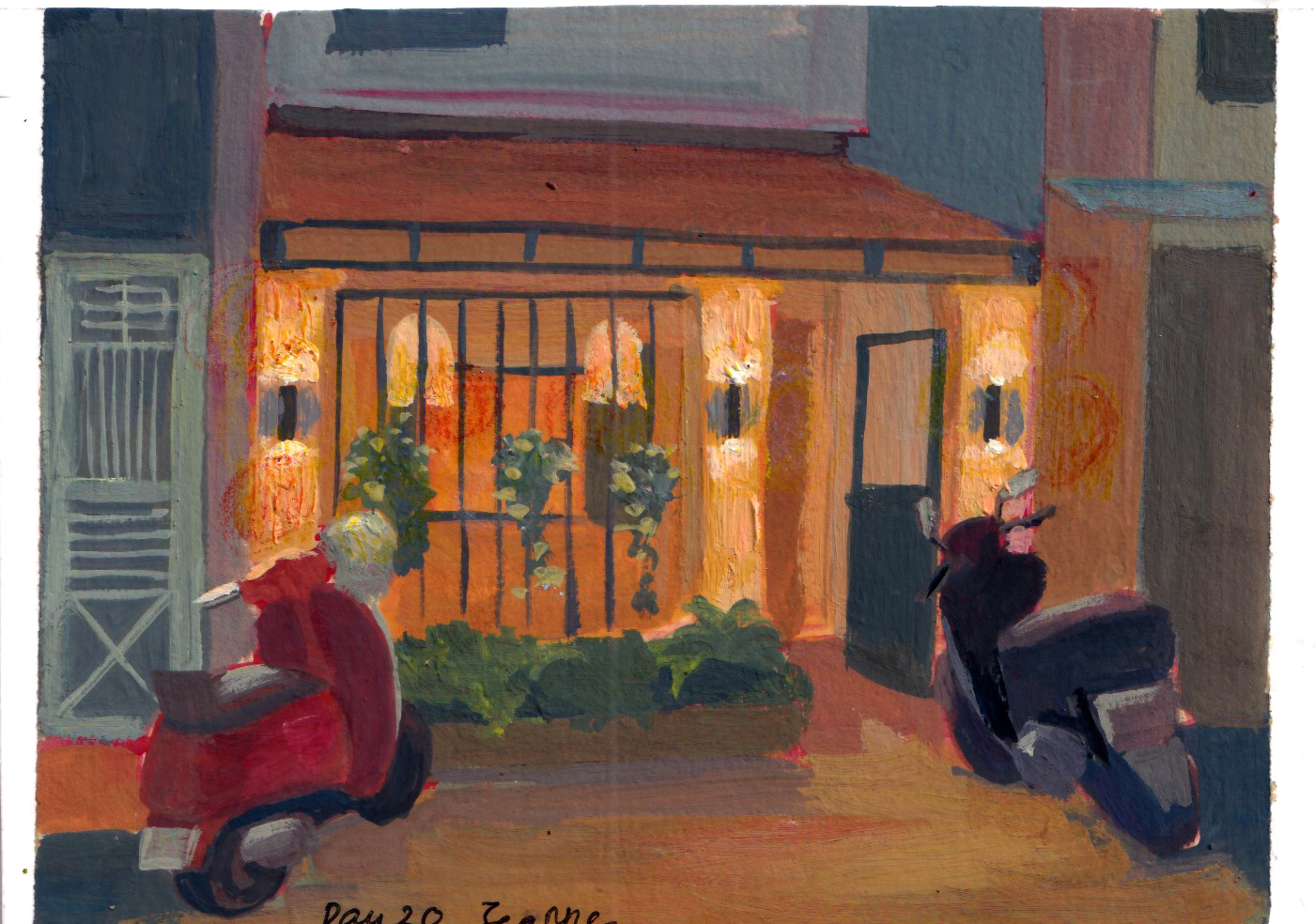
I tried to simplify my tools as well, I used the same set of brushes and only four main colors: red, yellow, blue and white. I use a portable palette recycled from a plastic package of some electronic devices, which already has some grayish and brownish paints left. They help create the neutral gray parts of all paintings.

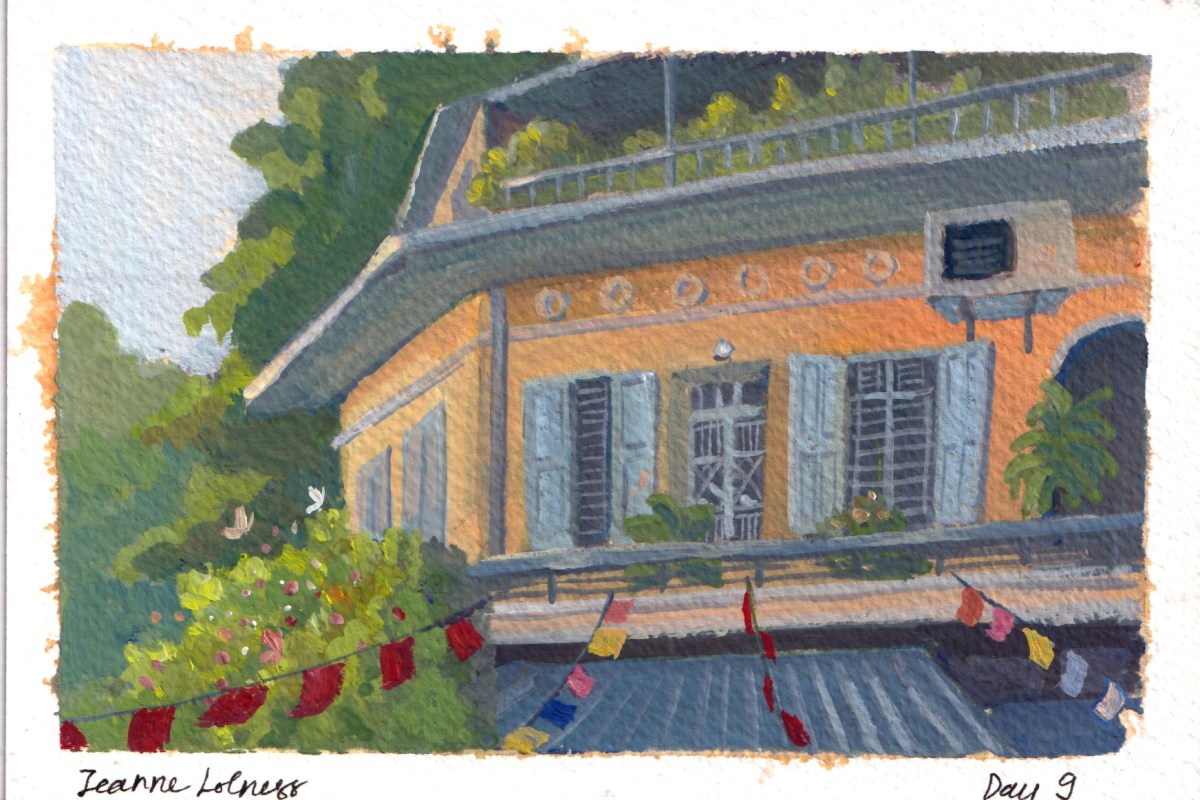
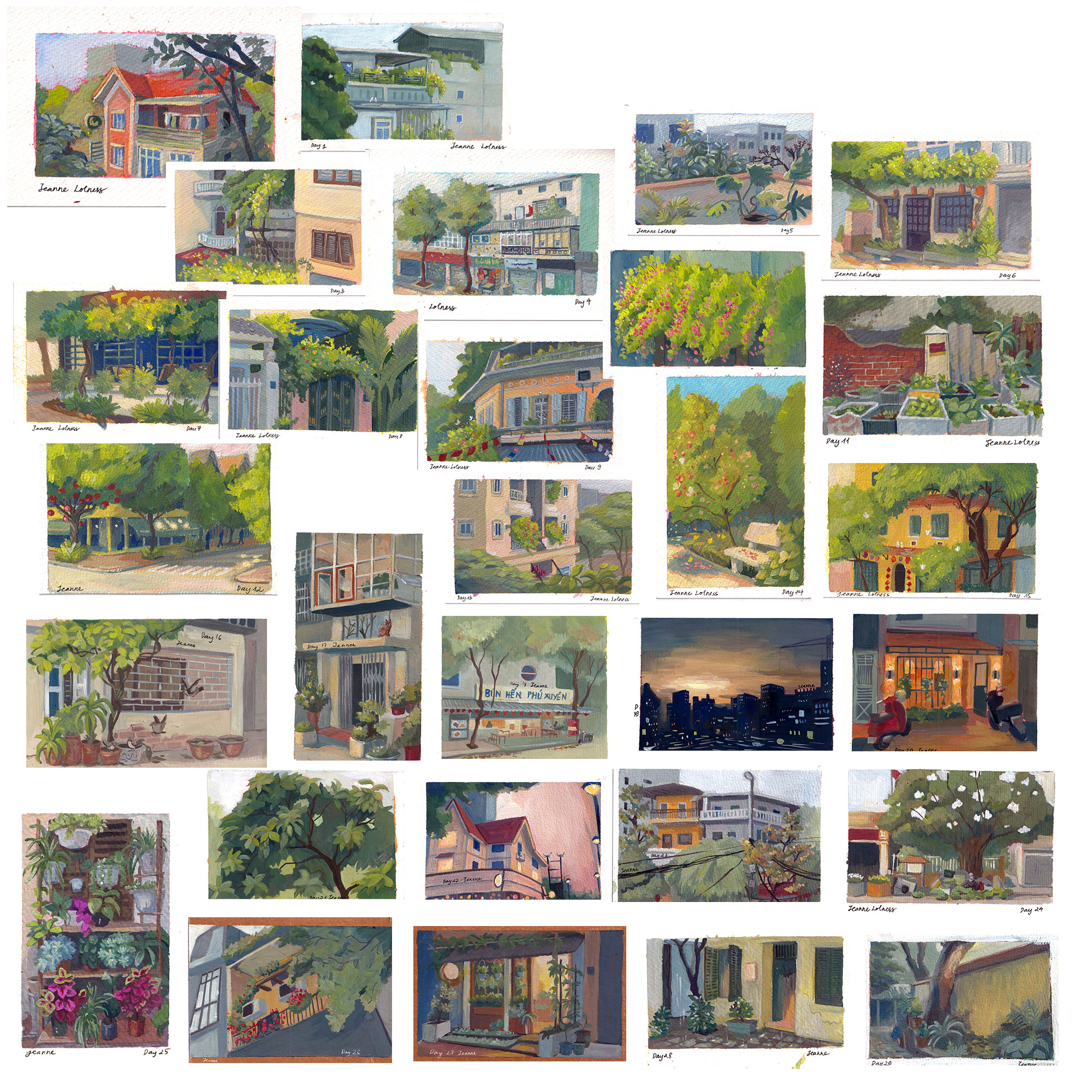
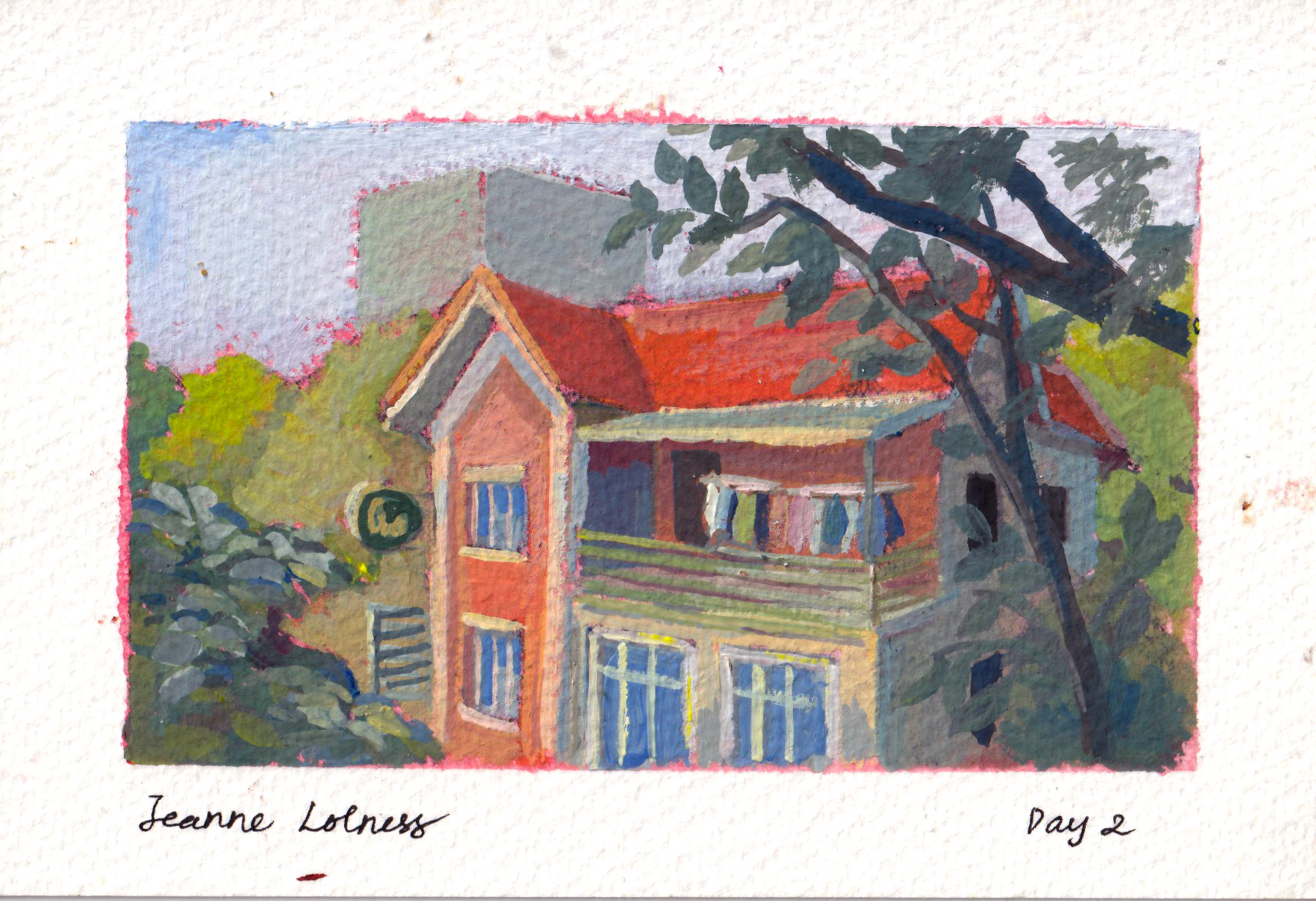
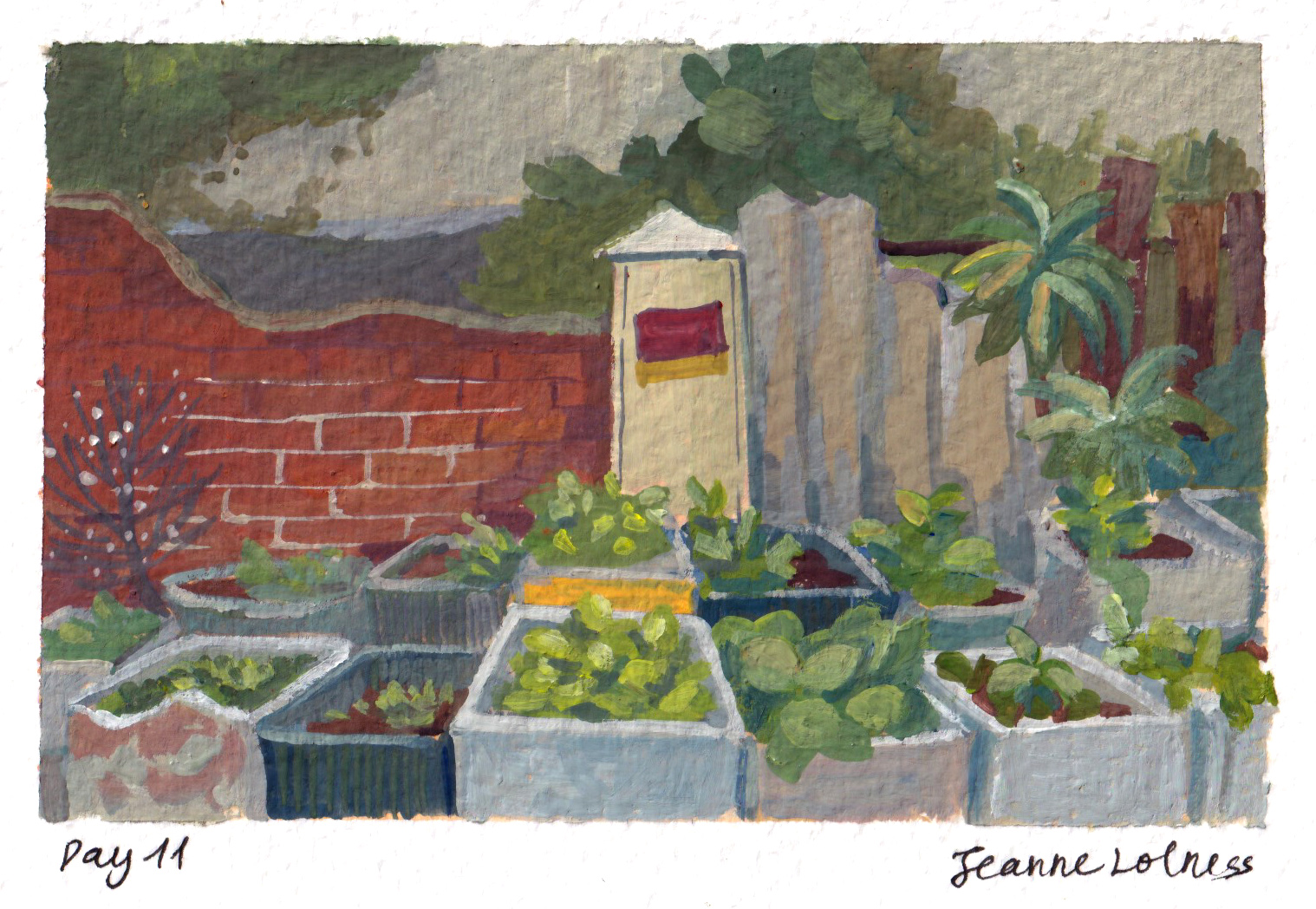
My original plan was to use this to motivate me to go out of my neighborhood, but in the end, I painted mostly houses in my area. I already have a collection of references taken by me during my weekly run. Painting from photo references taken on my own doesn’t lure me into copying the image, because I know the limits of my own photos and already have my own impression of the place.
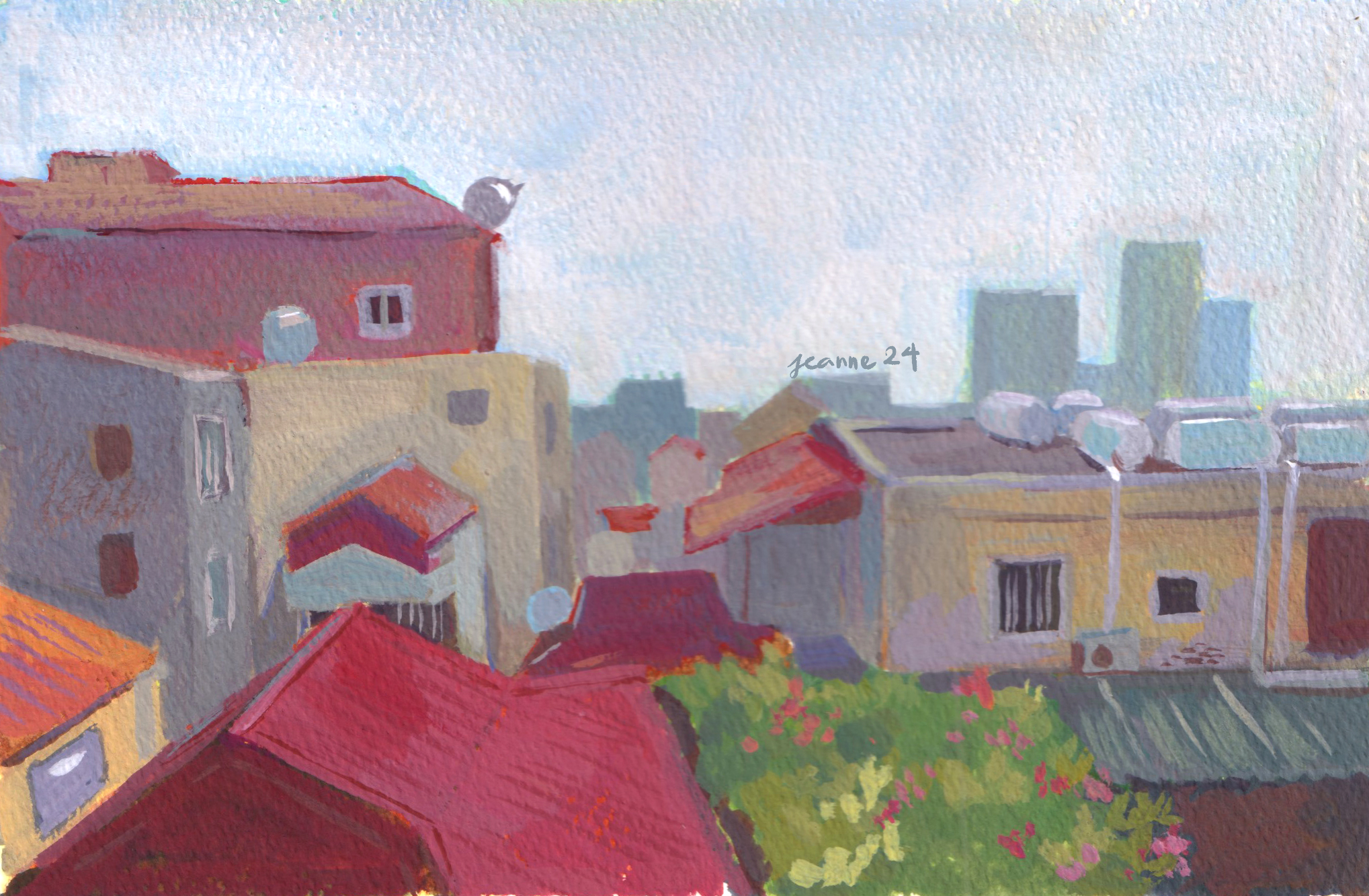
And in the end, I have a lot of works to share and talk about, 29 paintings. I realize I have worked much faster, since my landscape sketchbook has only about 10 pages left and I began it 2 years ago. Along with reading about Mary Cassatt, I found more hope in myself and an art career, motivation to stay resilient and patient. Of course, I’m still at loss visualizing what kind of career I truly want, but there’s one thing I know for sure: I want to draw and paint everyday.

Sketching Vietnamese culture; watercolor strokes and shades

I use daily life as my resource for sketching, naturally, Vietnamese culture is a recurring topic. Keep scrolling to be excited by my culture!

Áo Dài” (loosly translated to English: Long Dress) is the Vietnamese traditional attire now, in fact, it’s the result of an evolving history of costumes. The version of the Áo Dài commonly seen on Vietnamese streets today is a modern adaptation from the 20th century. Vietnamese traditional costumes are an extensive and fascinating topic, one that I’d love to explore in greater depth later.

Male versions: Left: A medieval soldier; Right: A groom
Female versions: Left: áo ngũ thân tay chẽn (a predecessor to Ao Dai);
Right: Ao Dai (popular for daily wear in 20th century)

These little sketches were painted after I attended an event celebrating the history of Áo Dài in Hanoi, in which multiple versions were showcased.


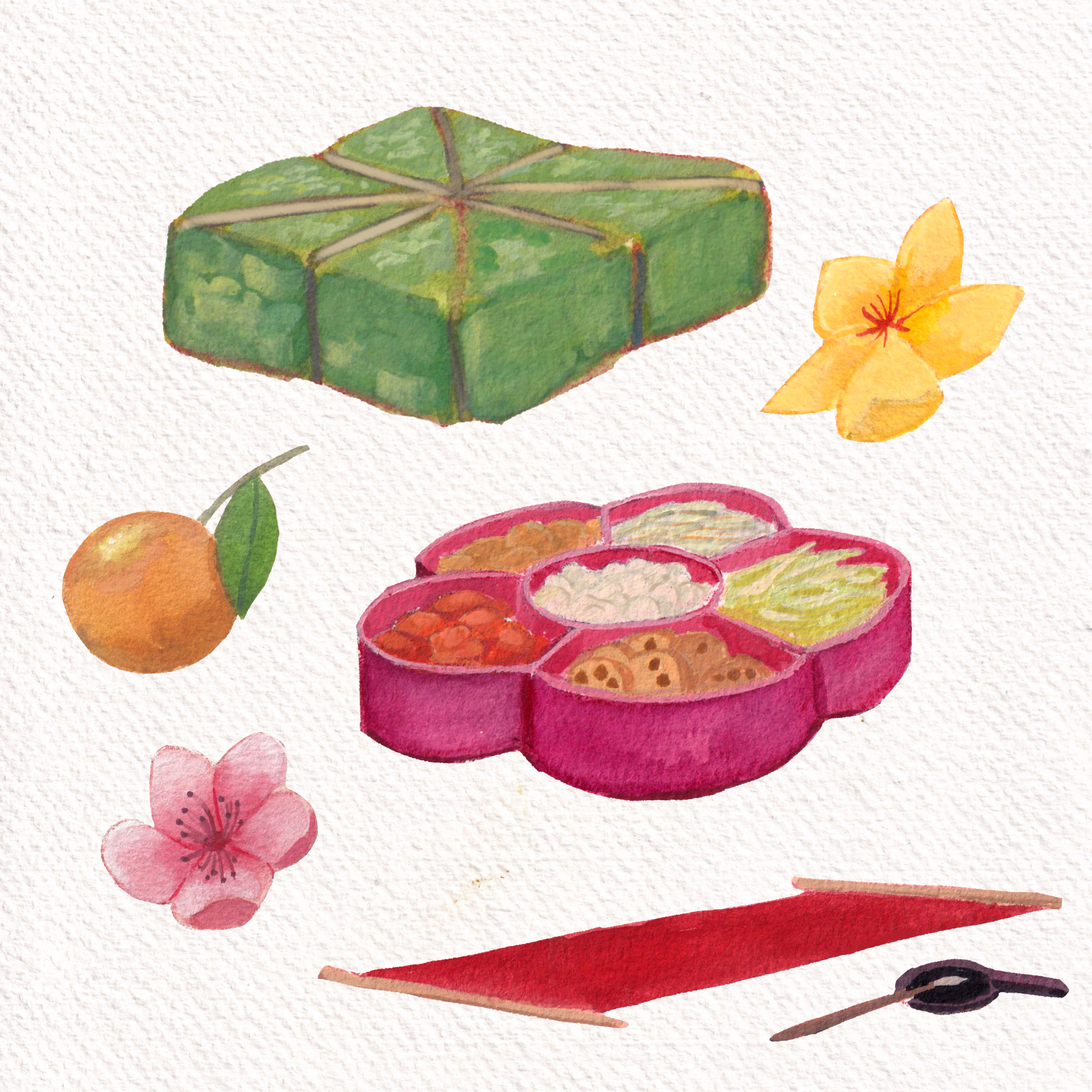
Tết holiday (Lunar New Year) is the time to watch bustling streets, enjoy traditional cuisine and appreciate the beginning of a new year. Not every Asian country celebrate Lunar New Year the same way and equally important. Simply explained, Tết holiday for Vietnamese is on the same level of importance as Christmas holiday for Westerners, Chuseok for Korean, Songkran for Thais, Diwali for Indians or Ramadan for Muslims.

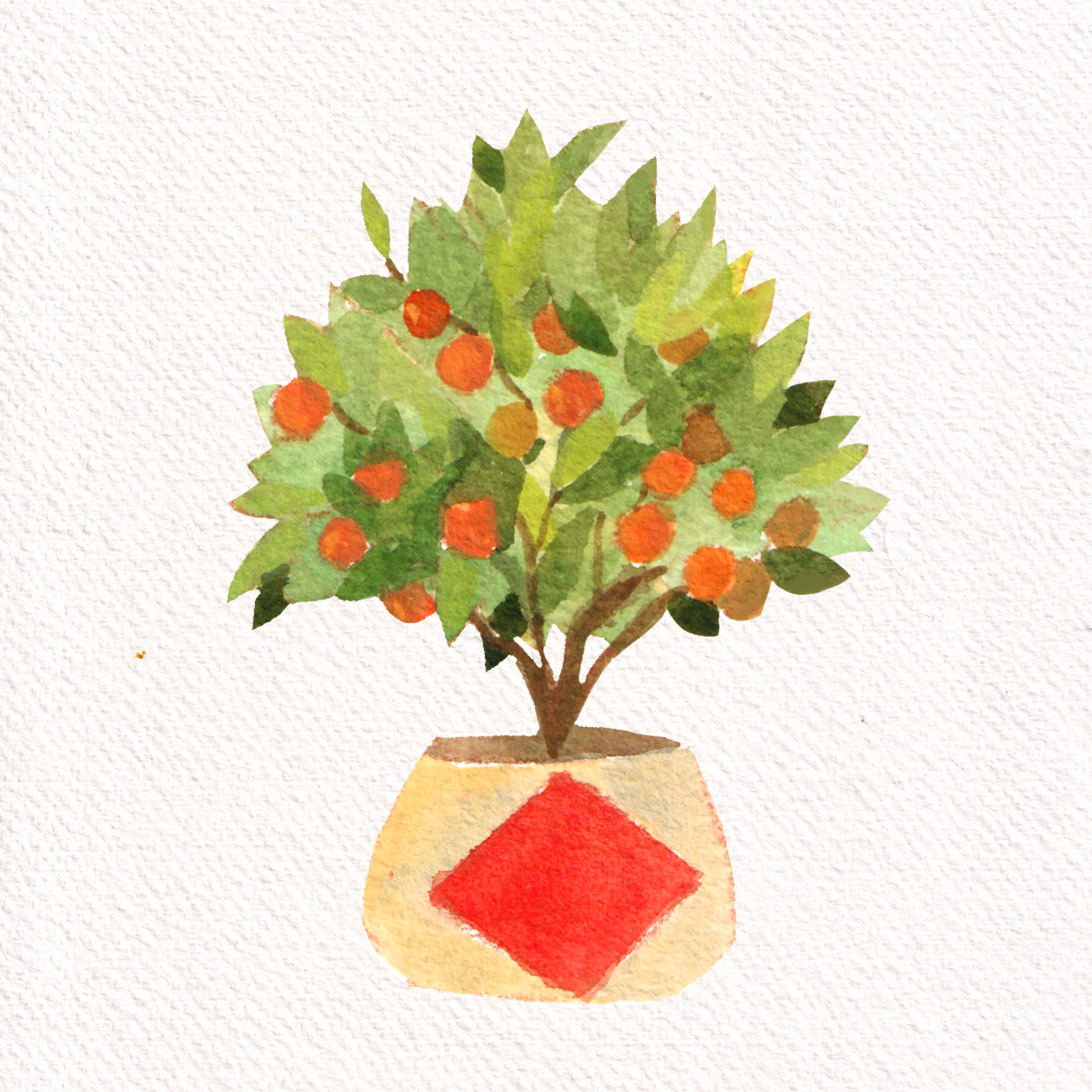
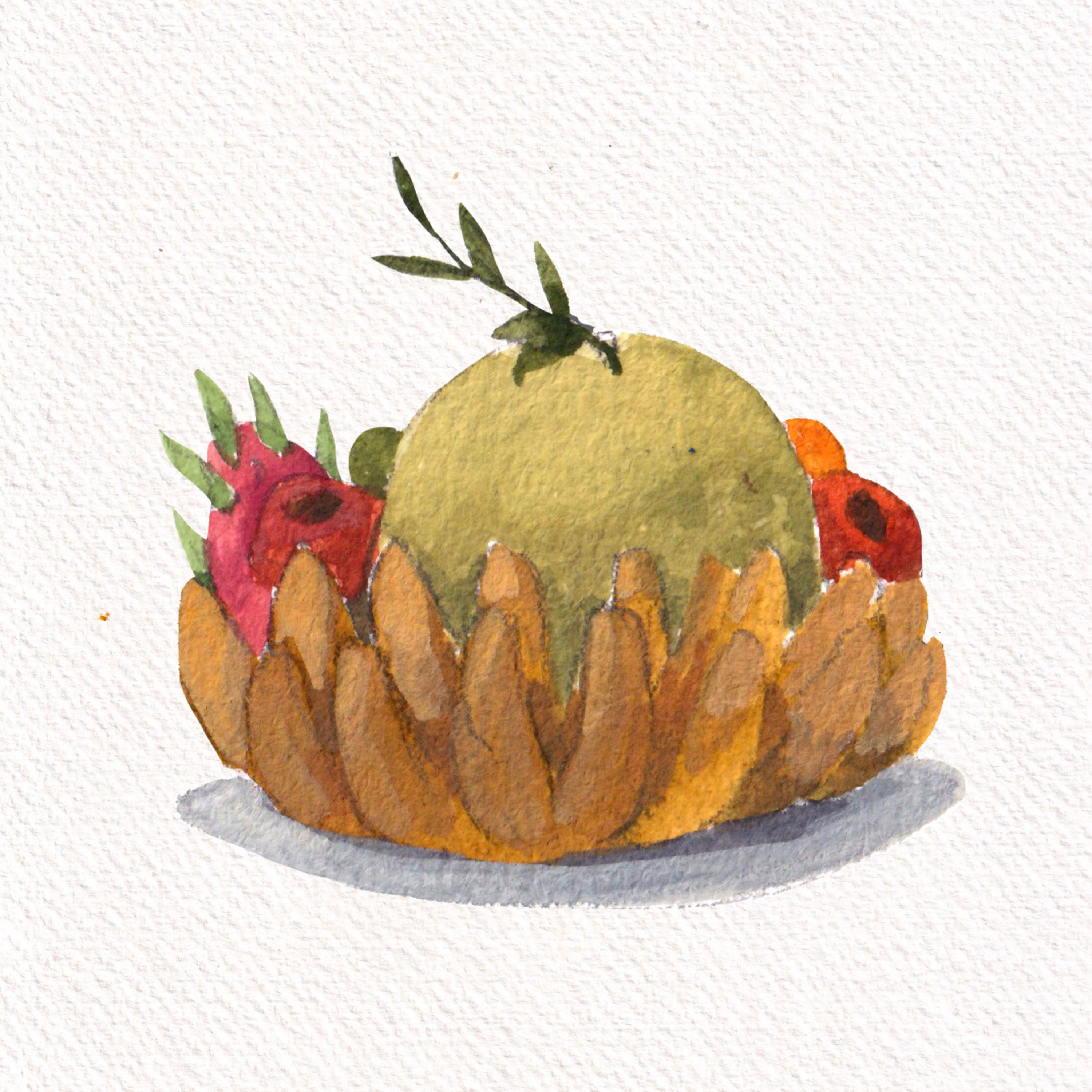
Bánh Chưng (sticky rice, pork, mung beans wrapped in Dong leaves) in green; Mứt (Candied Fruits) organized in traditional boxes; traditional calligraphy; Hoa Đào – Hoa Mai – Quất (3 types of essential plants for Tết)

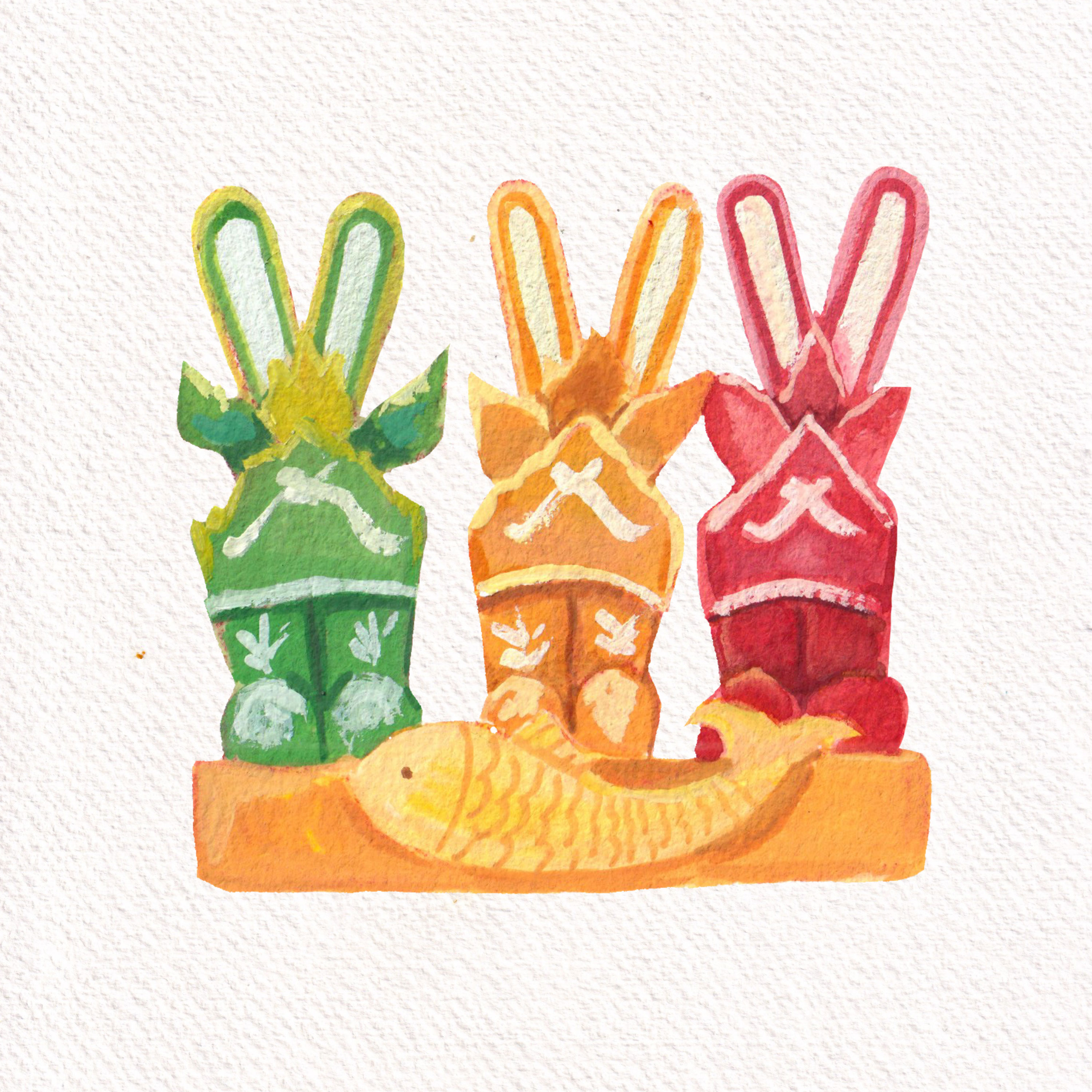
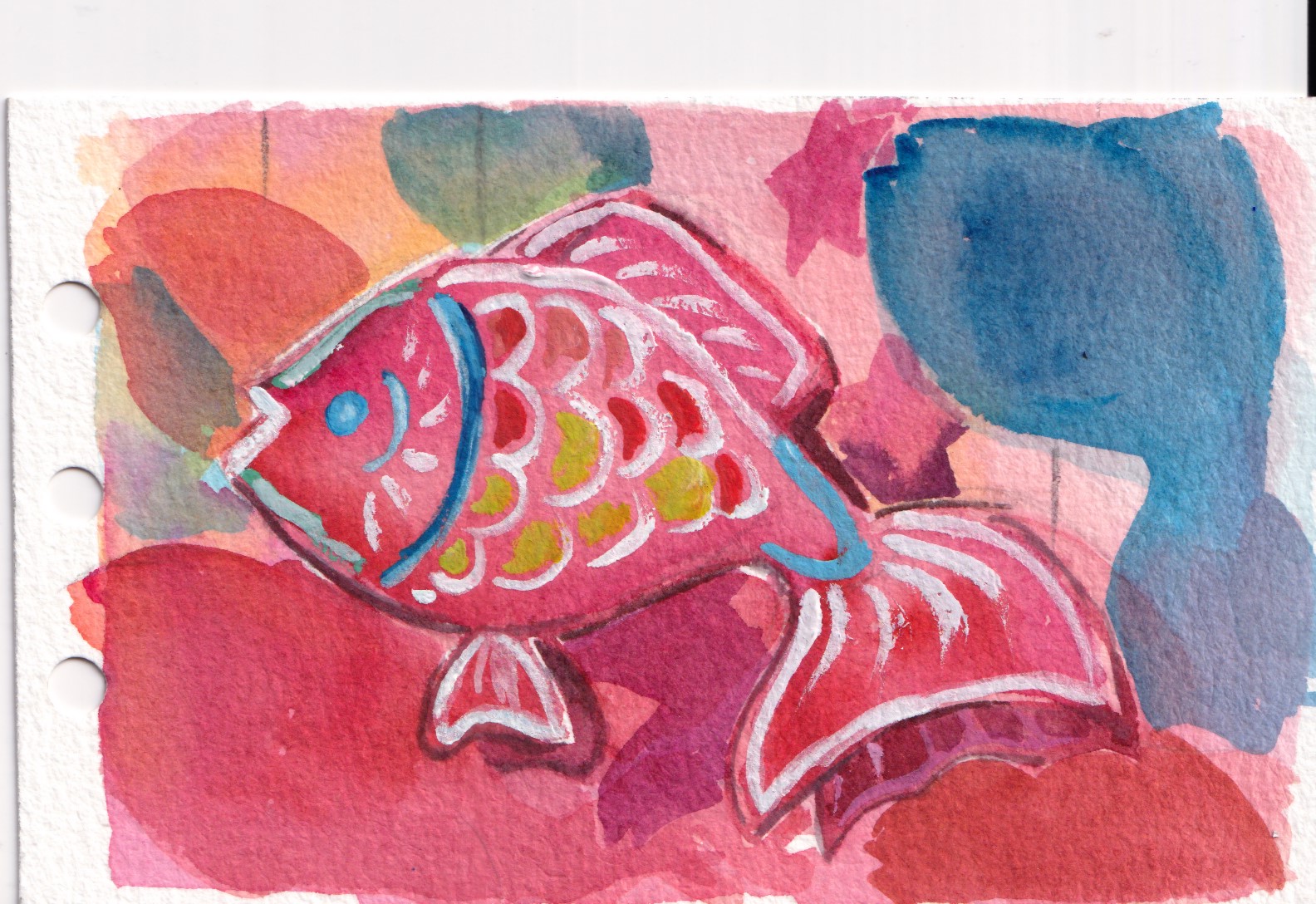
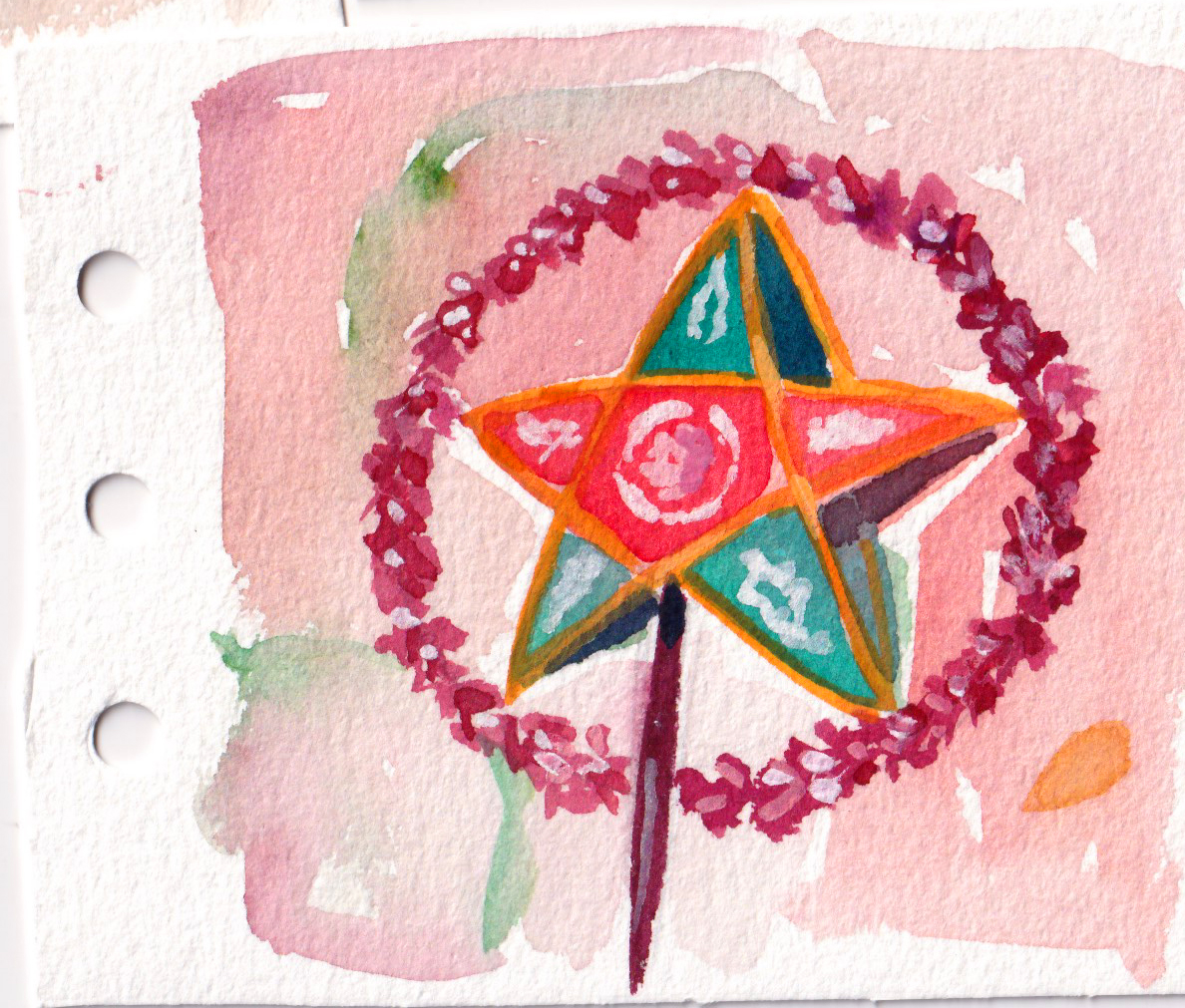
Mid-Fall festival or Moon Festival (Tết Trung Thu/ Tết Trông Trăng) is another major holiday for Vietnamese. It takes place on the 15th day of the 8th lunar month, typically around September or October. Children are especially excited during this festival, as they carry colorful lanterns, traditional toys and participate in fun parades. Mooncakes, filled with lotus seed paste or red bean, are shared among family members and friends as a symbol of unity and prosperity.

As I think about the colorful and lively culture of Vietnam, I’m reminded of how our traditions come to life through art, festivals, and our clothing. The Áo Dài, with its deep history, isn’t just a beautiful outfit—it’s a link to our past. Festivals like Tết and the Mid-Fall Festival bring us together, sharing happiness, food, and a sense of community. Every sketch and note I make is a way to celebrate these special moments.

Hanoi houses and streets in my sketchbook

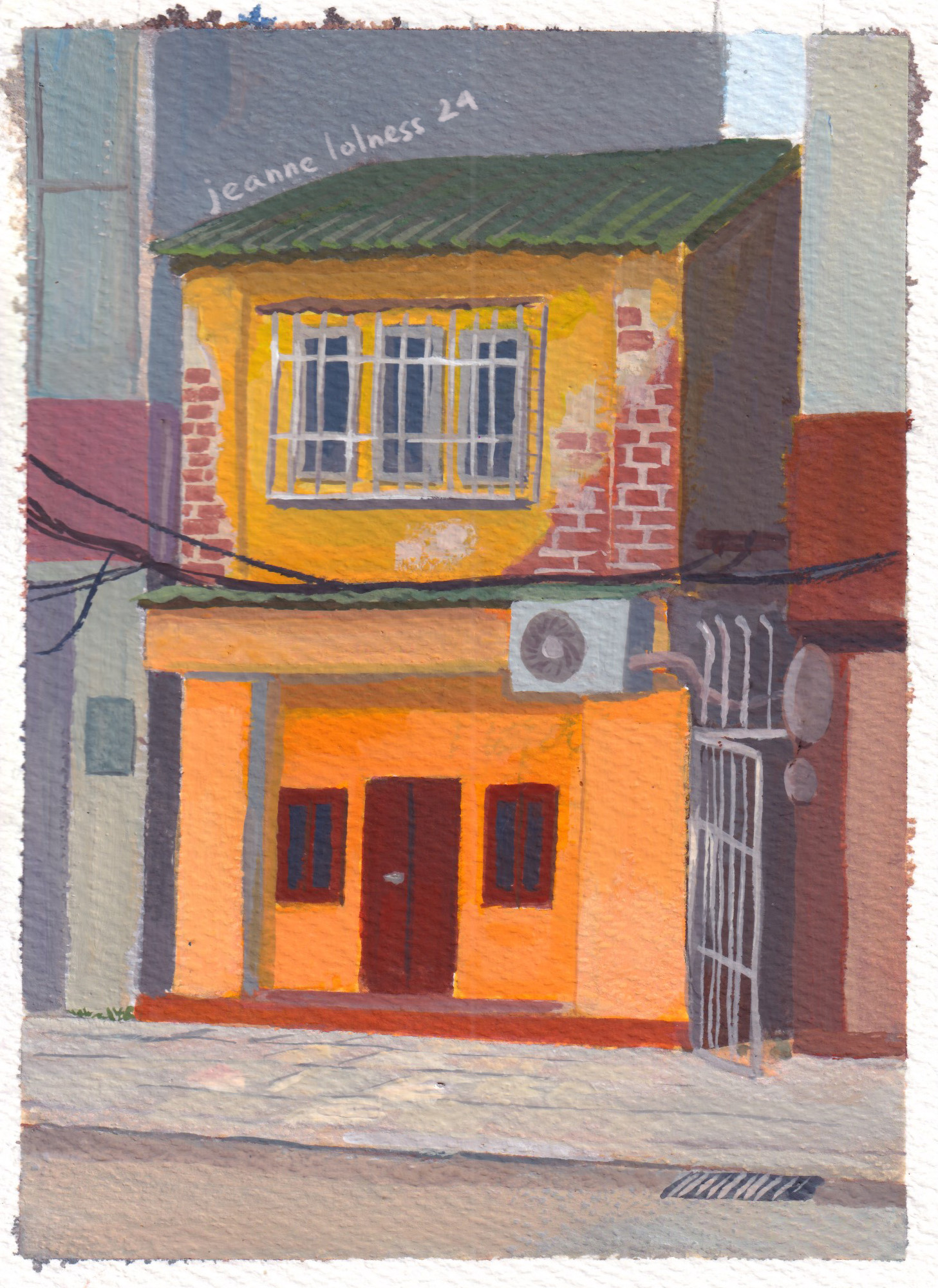
I spent most of my life in Hanoi. When I was a kid living in my grandparent’s house, I was surrounded by copies of Bùi Xuân Phái, a Vietnamese artist famous for painting Hanoi houses in the 20th century. It was probably the first seed in my affection for this city.

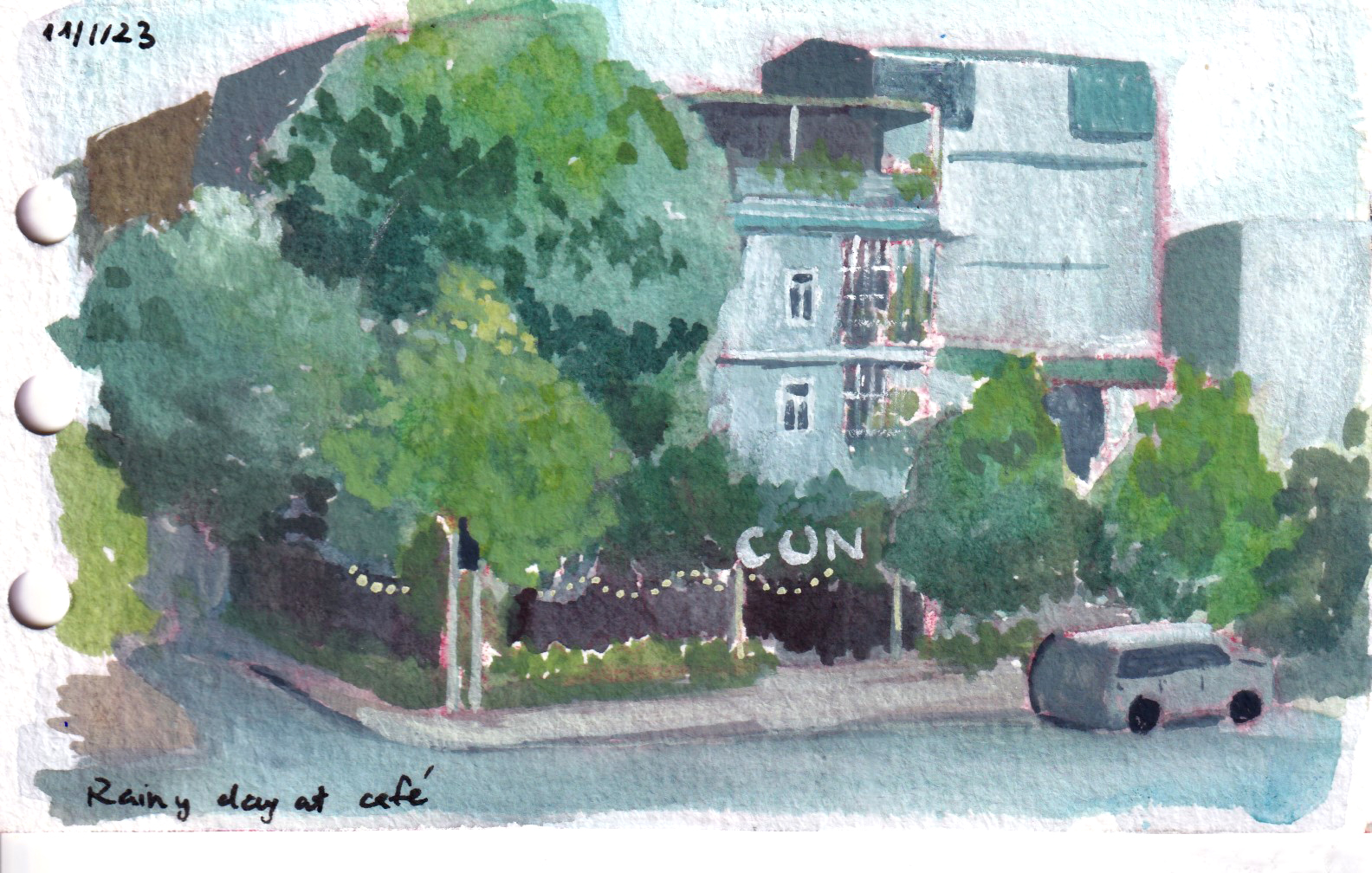
A rainy street

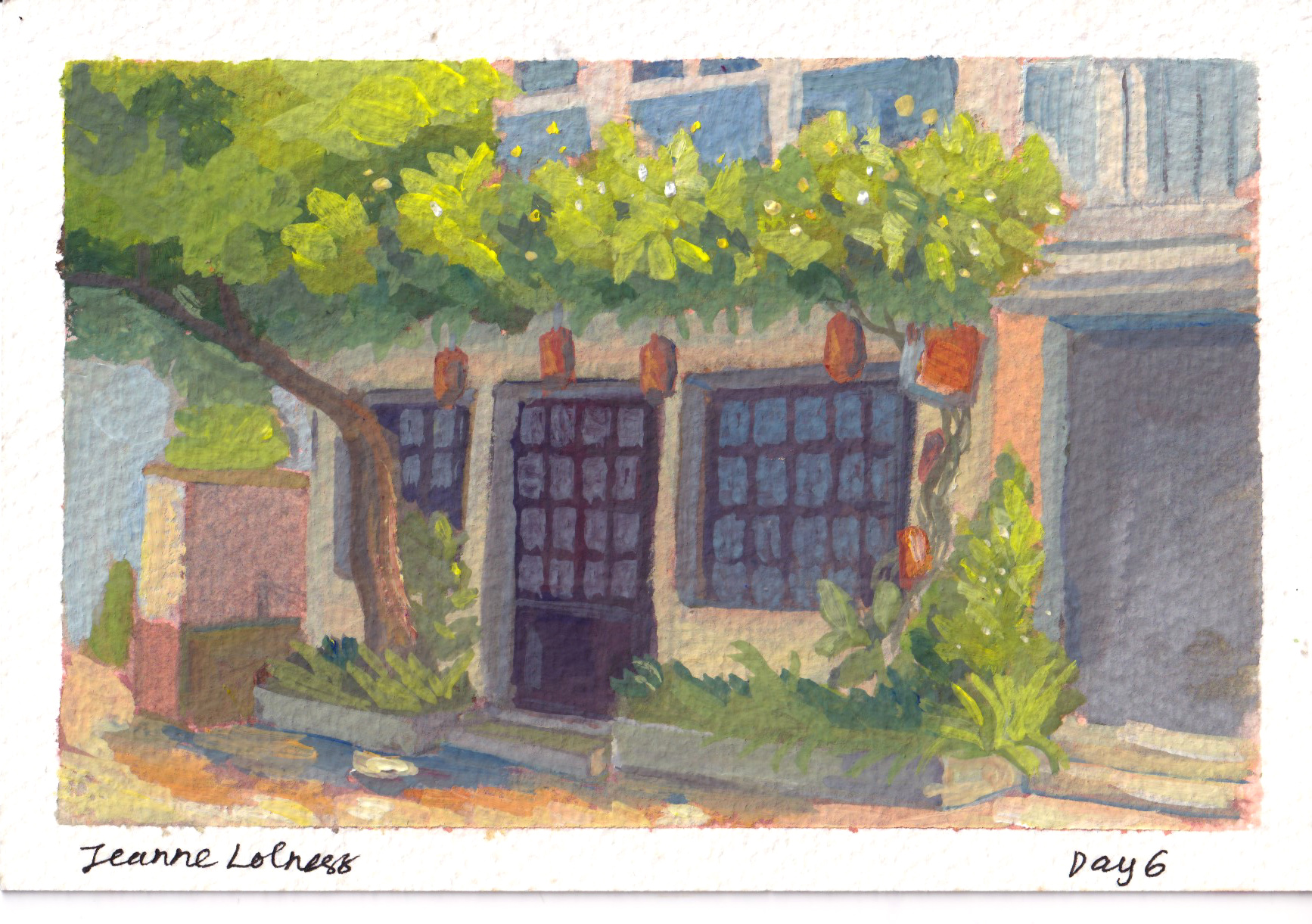
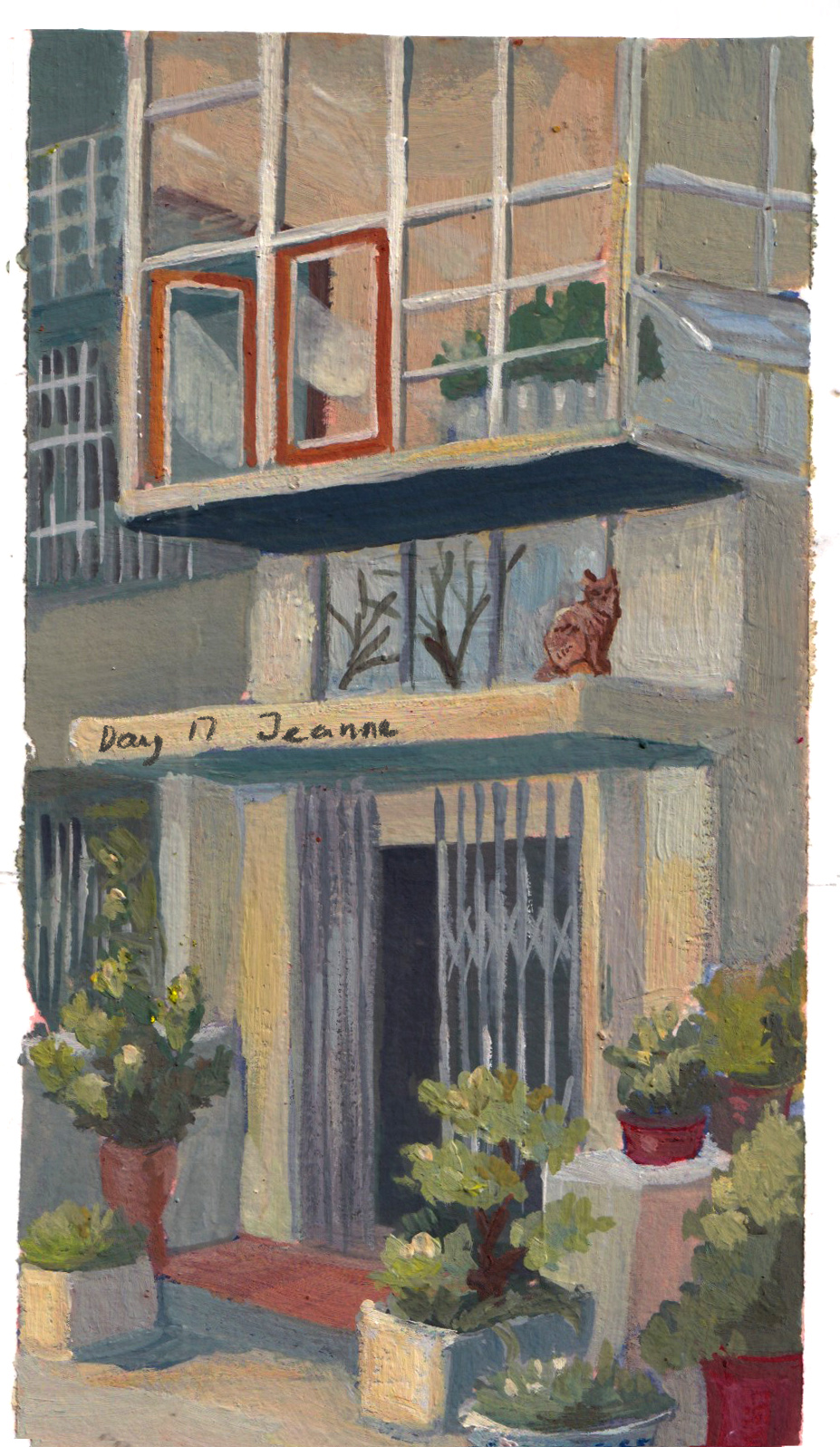
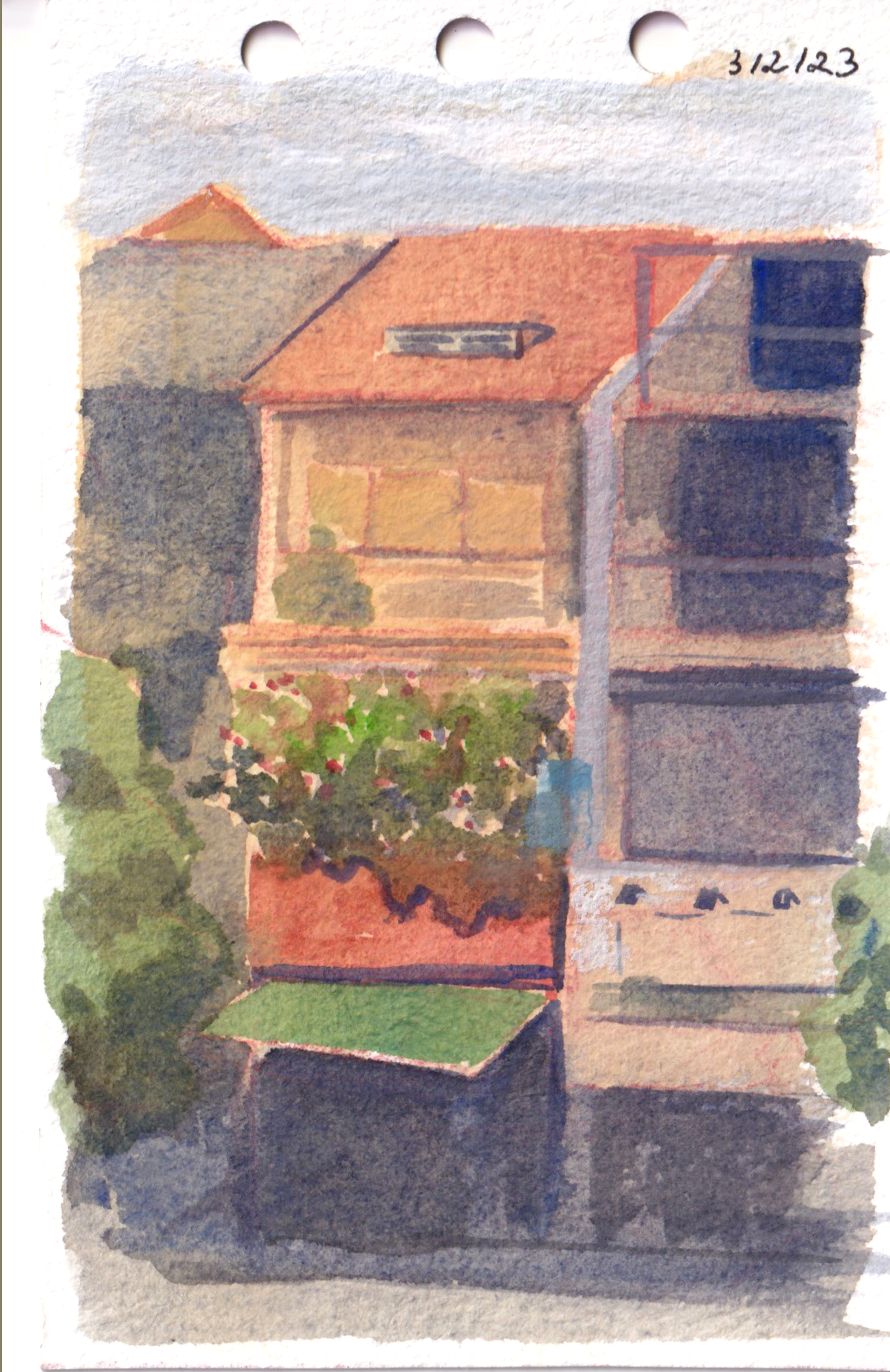
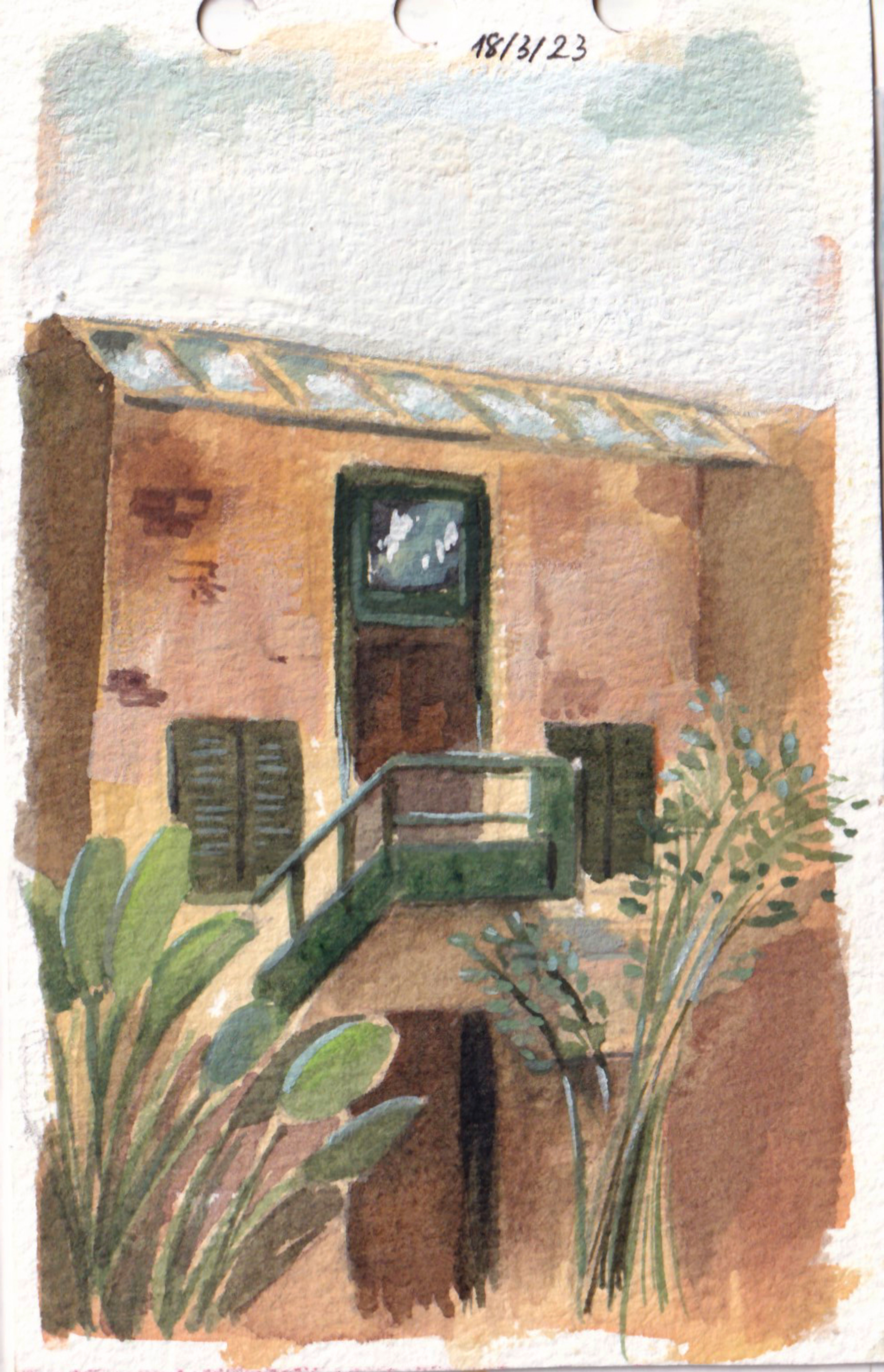
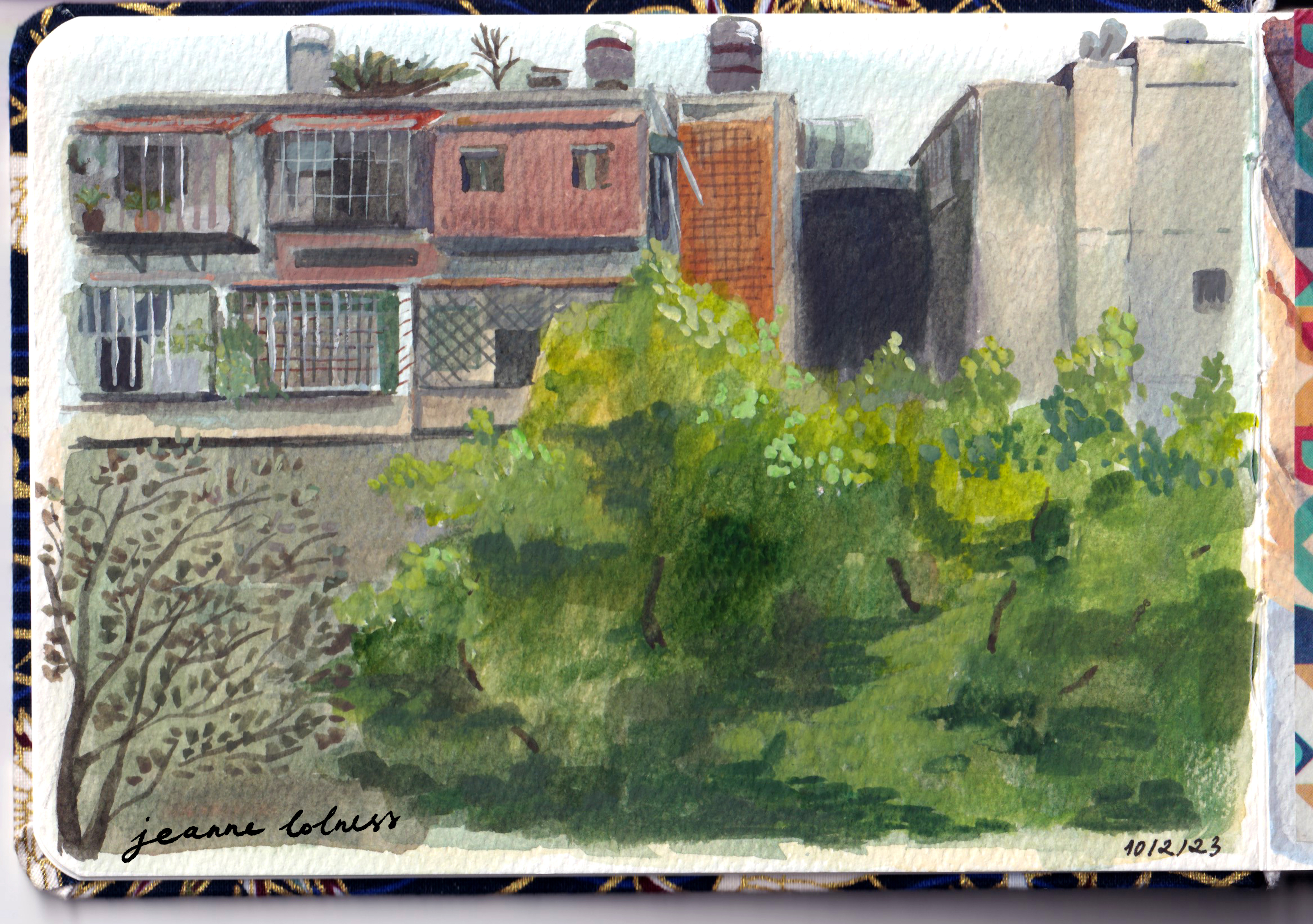
My affection goes to old houses, mostly those with cracks and weird innovations. They are the witnesses of Hanoi history and my own life. Now I live in a modern apartment with elevators, but I still remember running down the stairs full of plants pot, old furniture and and beehive coals.

Trang Tien Street
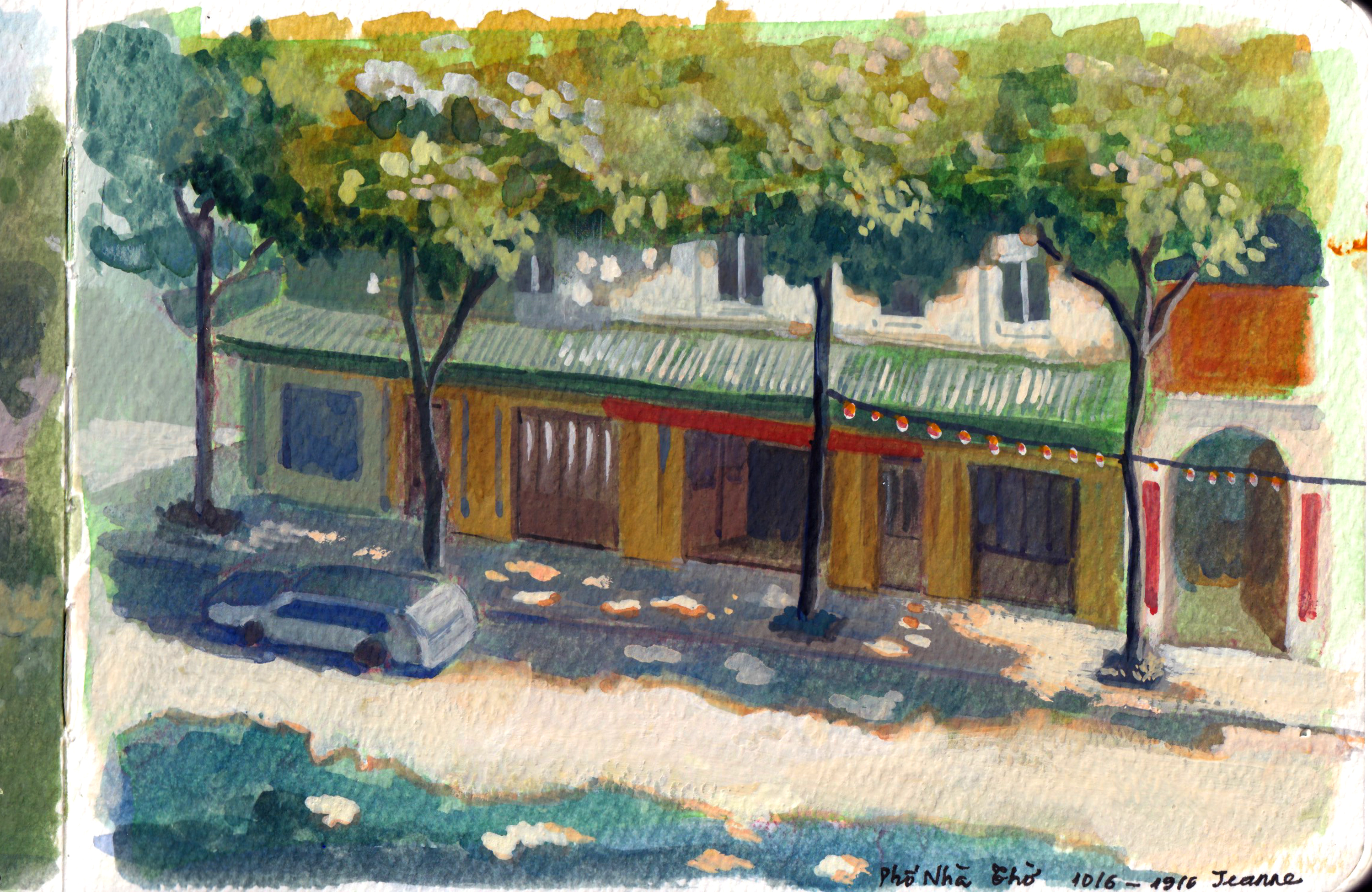
The street where I grew up
A silent corner in autumn
A street at noon

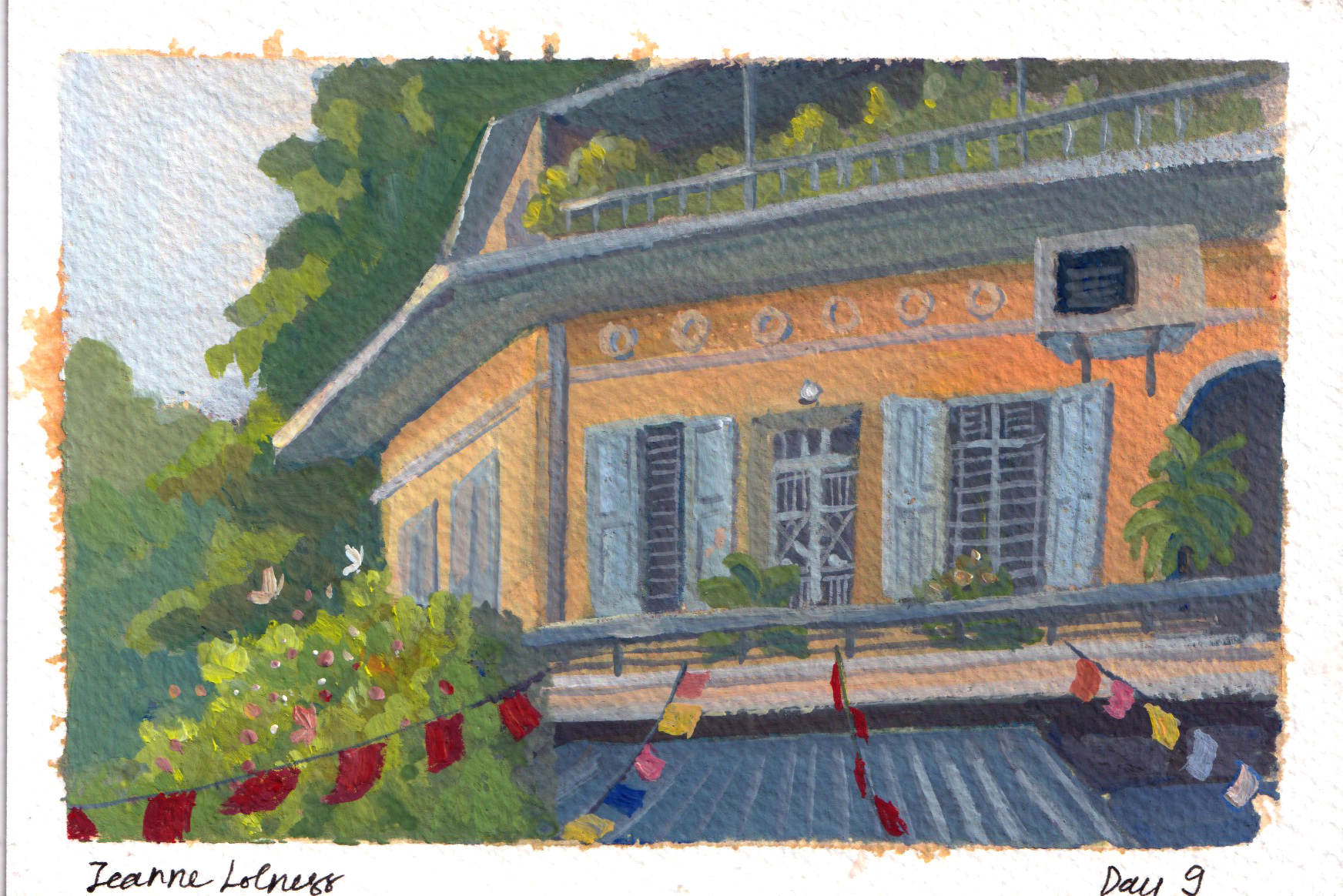
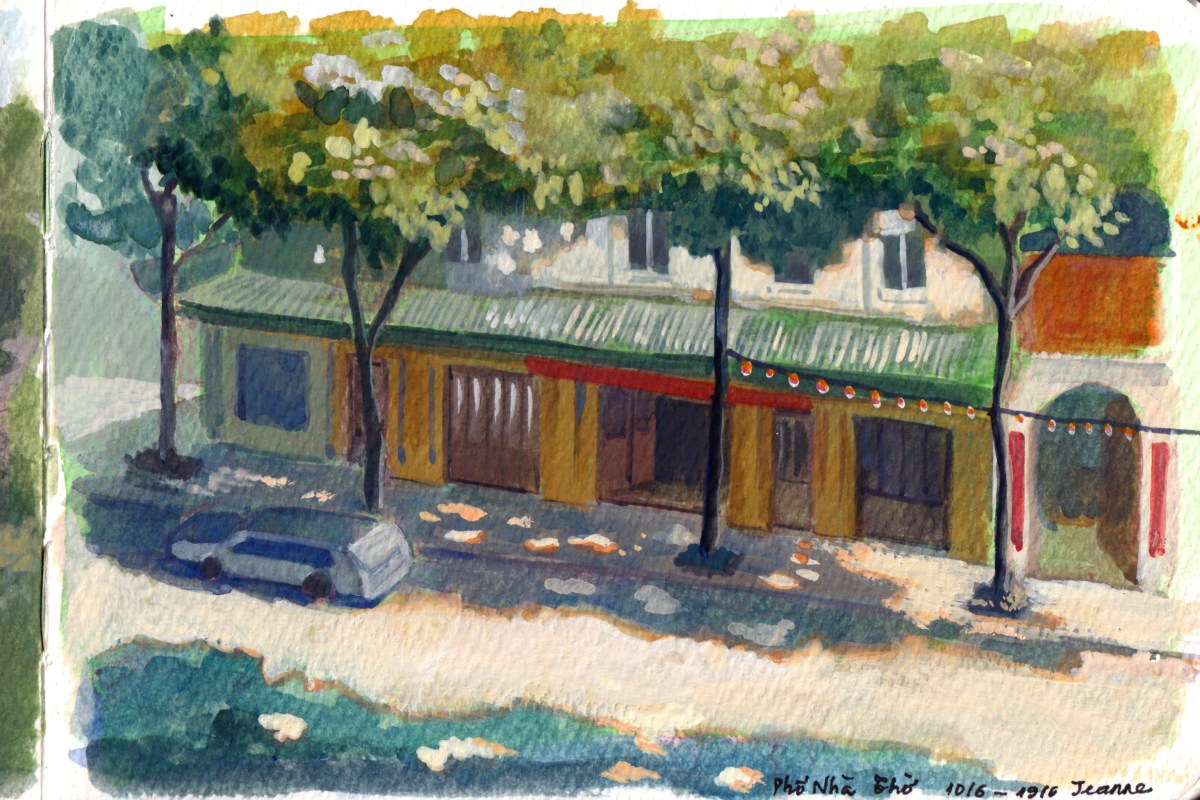
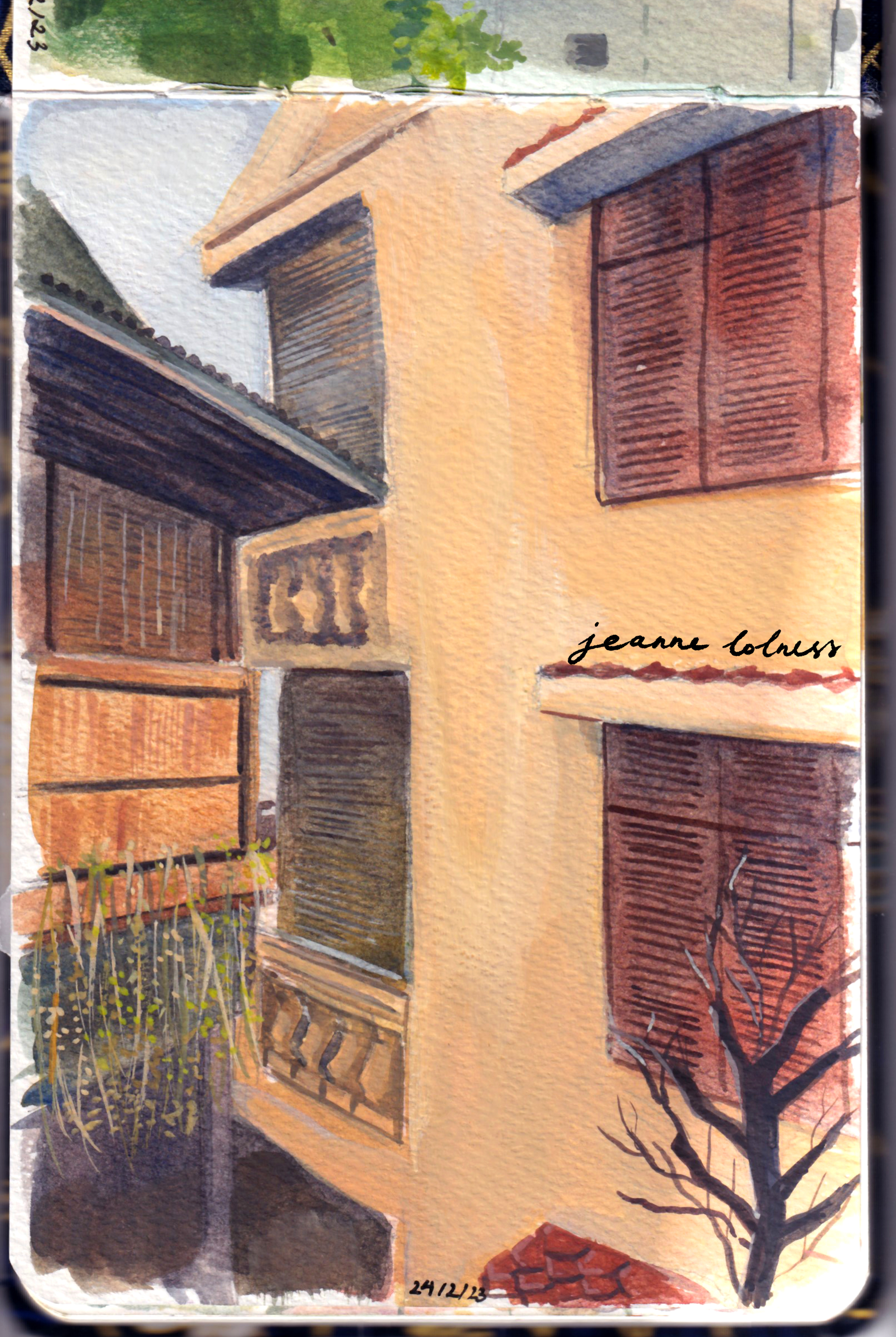
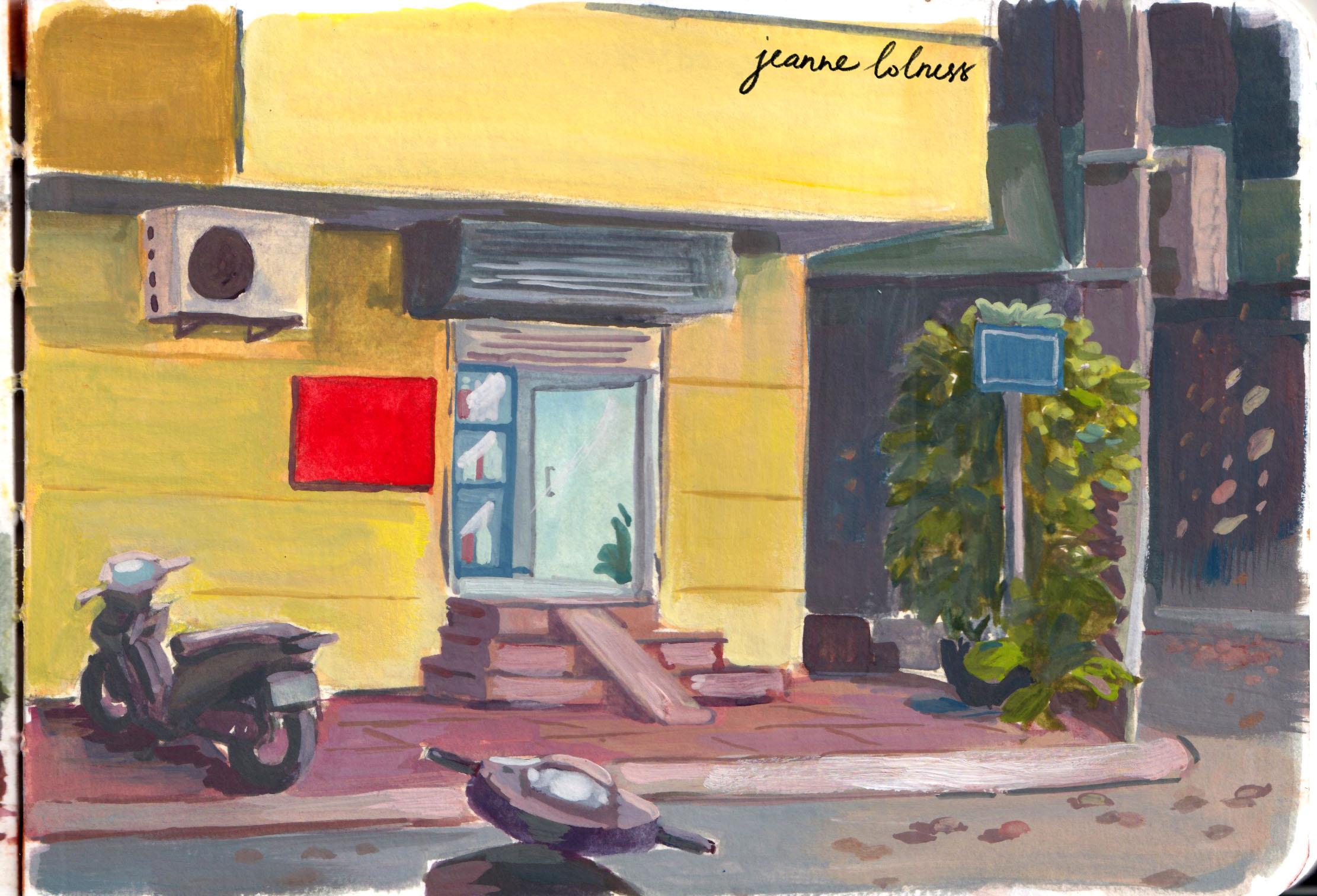
Many old houses in Hanoi are painted in yellow, which is a reminiscence of French colonization period. French often painted important buildings in yellow, and the reason is still unknown. It could have a symbolic meaning of an upper class, but yellow paint was also a cheap option at that time. Even after the war, there are still many houses and buildings painted in the similar yellow tones.

An old house covered in ivies
From my grandparent’s house window

I left my grandparent’s house when I was was ten. Many areas of the city are being upgraded with modern architecture, yet, the street where I grew up remained almost the same. I don’t know how long they will stay the same, but I’m grateful for that.

Luckily, even though old houses are being pulled down due to safety reasons, Hanoians don’t have less love for our history of architecture. There are cafes being built resembling houses from the last century, furniture being kept from generation to generation, exhibition showcasing how and why these houses were built and loved and artists incorporating elements from childhood into artworks.

If you ever come to visit Vietnam, let’s stop for a second to watch these small houses stacking next to each other on the streets. It’s possible that many generations have lived in these houses and new hopes are being created despite two wars, economic downturns and most recently, an international disease.